Ah yet, ere I descend to the grave
May I a small house and large garden have;
And a few friends, and many books, both true,
Both wise, and both delightful too!
May I a small house and large garden have;
And a few friends, and many books, both true,
Both wise, and both delightful too!
About This Quote

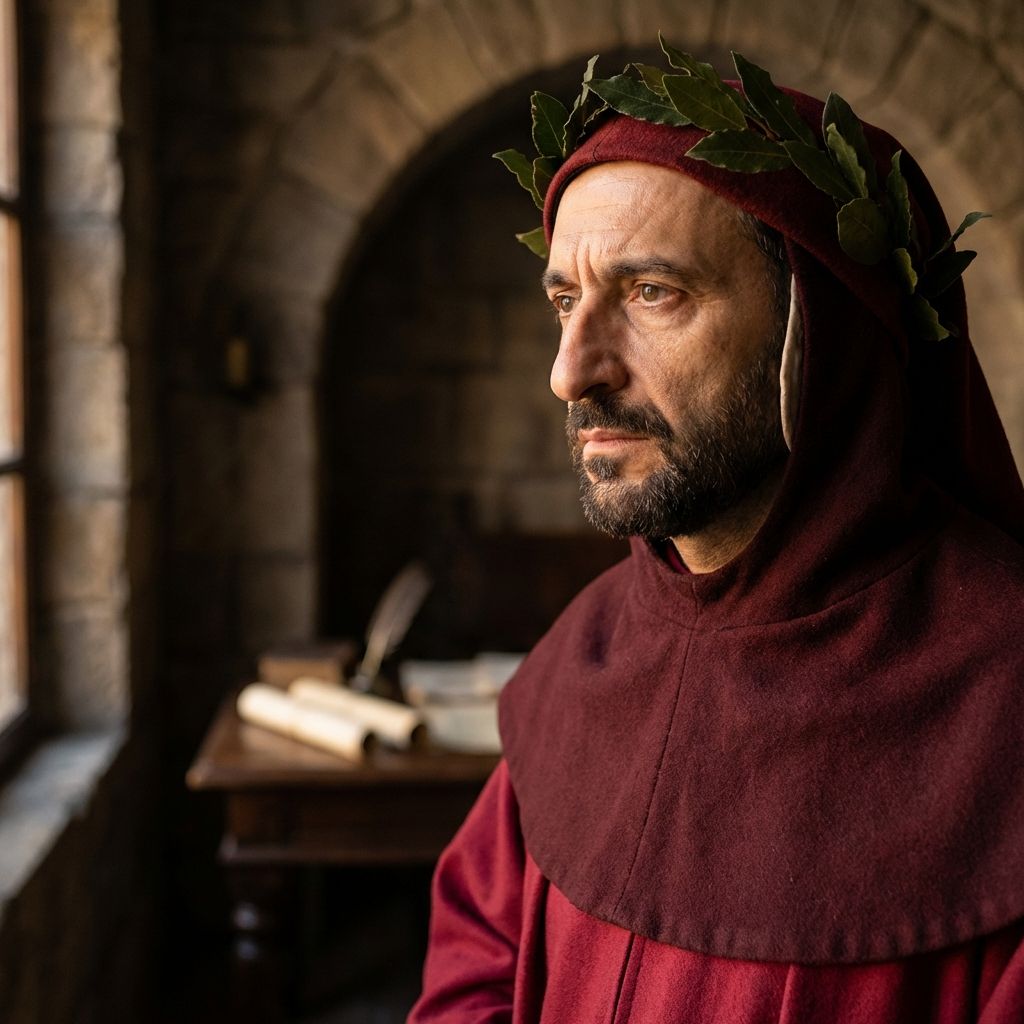
These lines come from Abraham Cowley’s celebrated retirement poem “The Wish,” written in the mid-17th century amid England’s political upheavals (Civil War, Interregnum, Restoration). Cowley had been drawn into public life and royalist service (including periods of exile) but repeatedly expressed a desire to withdraw from ambition and faction into private study. The poem imagines an ideal end-of-life condition: modest domestic comfort, a garden (often associated with classical ideals of rural leisure), and the companionship of a few intimates and a library. It reflects the era’s humanist valuation of books and learning as a refuge from unstable public affairs.
Interpretation
Cowley frames happiness not as wealth or fame but as proportion and sufficiency: a “small house” paired with a “large garden” suggests modest means enriched by space for cultivation, contemplation, and self-sustaining pleasure. The wish for “a few friends” emphasizes intimacy over social display, while “many books” elevates intellectual companionship and moral instruction. The paired adjectives—“true,” “wise,” “delightful”—present reading as simultaneously ethical, philosophical, and pleasurable, countering the notion that learning is austere. Overall, the passage articulates a classical-and-Christian ideal of the good life: retreat from worldly striving toward a balanced, inwardly rich existence before death.
Source
Abraham Cowley, “The Wish” (poem).