Blow out, you bugles, over the rich Dead!
There's none of these so lonely and poor of old,
But, dying, has made us rarer gifts than gold.
About This Quote
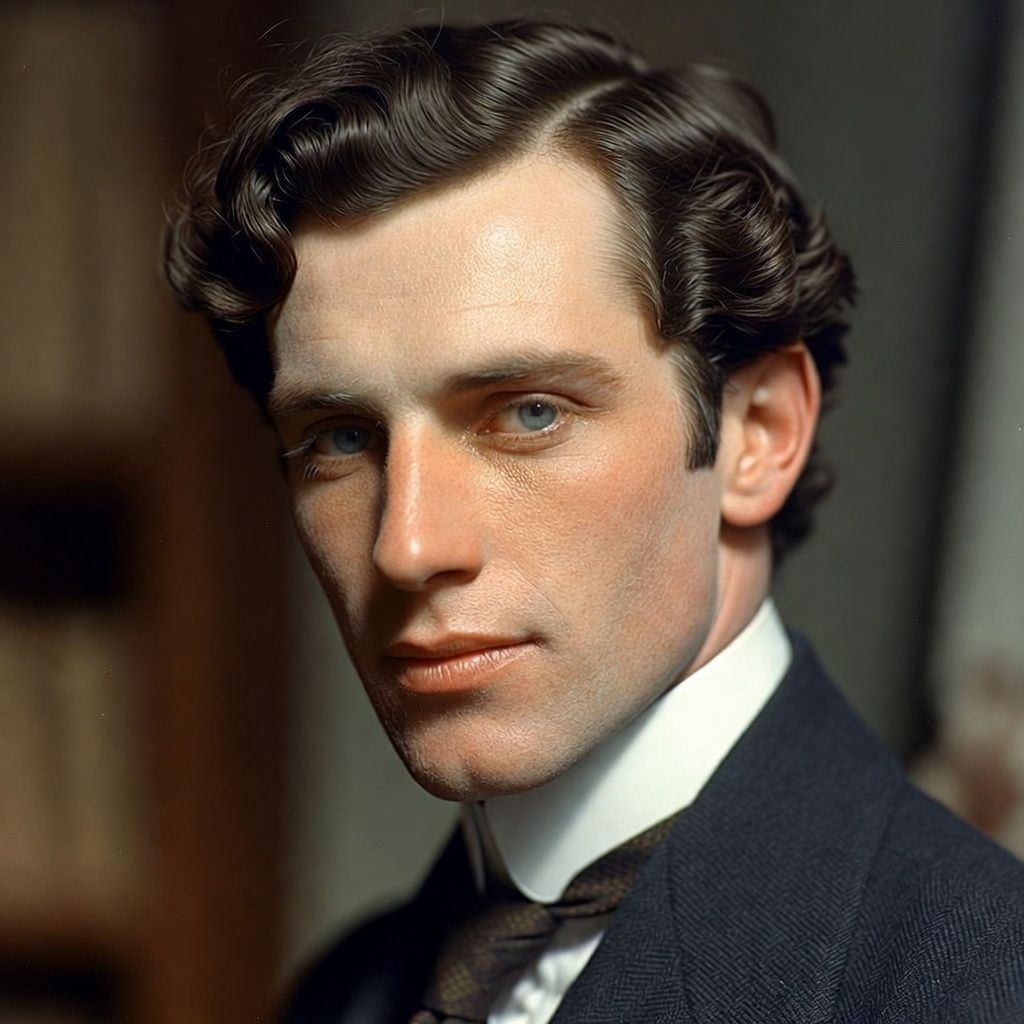
These lines come from Rupert Brooke’s First World War sonnet “The Dead,” written in 1914 as part of his sequence of “1914” war sonnets. Brooke, a prominent young Georgian poet, became an emblem of early-war idealism in Britain, writing in a tone of patriotic exaltation before the prolonged trench slaughter reshaped public feeling. The poem imagines ceremonial honor—“bugles”—sounding over fallen soldiers and insists that even the poorest, most isolated men, in dying for their country, have bestowed a spiritual “gift” on the living. Brooke himself died in 1915 (of illness en route to Gallipoli), which intensified the poem’s posthumous association with the war’s early rhetoric of noble sacrifice.
Interpretation
The speaker calls for martial music to honor the fallen (“bugles”) and then overturns ordinary measures of worth. Those who may have been “lonely and poor” in life are, through death in war, transfigured into benefactors who give “rarer gifts than gold”—a moral and communal enrichment that cannot be priced. The lines compress a central Brookean idea: sacrifice confers dignity and meaning, elevating anonymous individuals into a shared national and spiritual inheritance. Read historically, the passage exemplifies the idealizing, consolatory mode of early WWI poetry, where death is framed as purification and collective gain rather than waste—an interpretation later poets would challenge.
Source
Rupert Brooke, “The Dead” (sonnet), in the sequence “1914.”