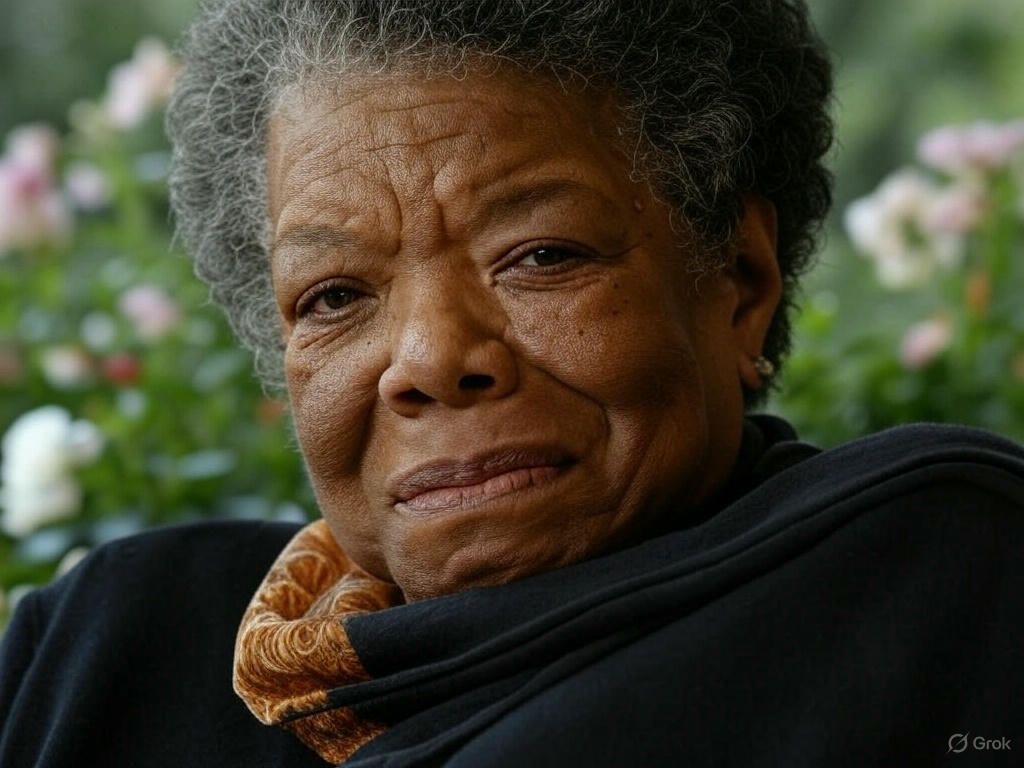
You cannot contribute anything to the ideal condition of mind and heart known as Brotherhood, however much you preach, posture, or agree, unless you live it.
About This Quote

Interpretation
The line argues that “Brotherhood” is not a doctrine to be affirmed but a lived ethical practice. Baldwin contrasts outward signals of virtue—preaching, striking poses of righteousness, or merely assenting to the right ideas—with the harder requirement of embodying those ideals in daily conduct. The phrasing “ideal condition of mind and heart” frames brotherhood as an interior disposition (empathy, humility, fellow-feeling) that must express itself in action. The quote thus critiques performative morality and social conformity: agreement with noble principles is insufficient if one’s behavior contradicts them. Its significance lies in insisting that social harmony and human solidarity are built through consistent lived habits rather than rhetoric or identity.