Happiness is the natural flower of duty.
About This Quote
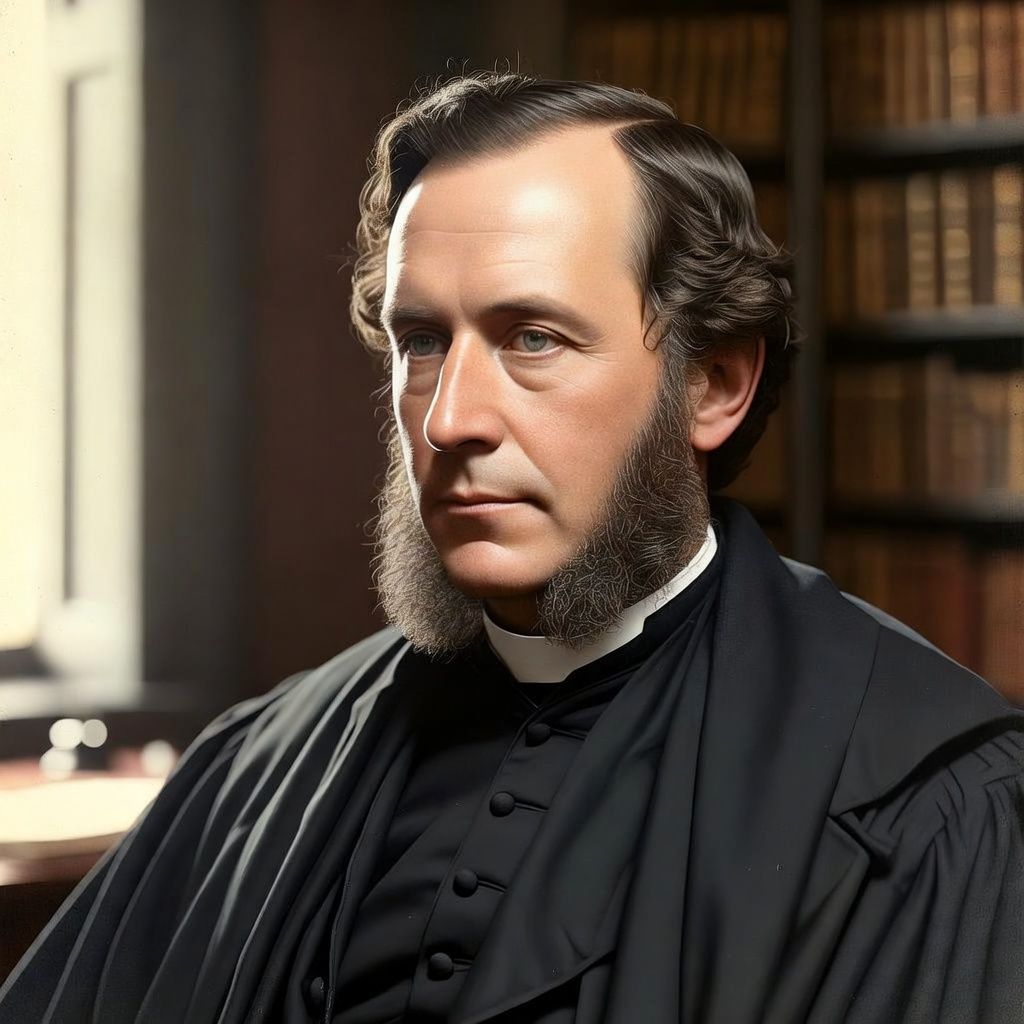
Phillips Brooks (1835–1893), the influential Episcopal preacher and longtime rector of Trinity Church in Boston, frequently emphasized moral earnestness, service, and the spiritual health that comes from faithful work rather than self-indulgent pursuit of pleasure. The aphorism “Happiness is the natural flower of duty” reflects a common theme in his sermons and addresses: that joy is best understood as a byproduct of living rightly—doing one’s obligations to God and neighbor—rather than as an end to be chased directly. The line is often quoted in collections of Brooks’s sayings and in later devotional anthologies that drew on his reputation for practical, ethically focused Christianity.
Interpretation
The metaphor of a “flower” suggests something organic and unforced: happiness blooms when the conditions are right. Brooks frames duty not as grim constraint but as the soil from which genuine contentment grows. The saying also critiques the idea that happiness is reliably attained through self-centered striving; instead, it emerges indirectly from disciplined commitment, service, and integrity. In this view, duty aligns the self with a larger moral order, reducing inner conflict and fostering a steadier, more durable joy. The quote’s enduring appeal lies in its reversal of modern assumptions: happiness is not the goal but the consequence of a life responsibly and meaningfully lived.