We who are left how shall we look again
Happily on the sun or feel the rain
Without remembering how they who went
Ungrudgingly and spent
Their lives for us loved, too, the sun and rain?
About This Quote
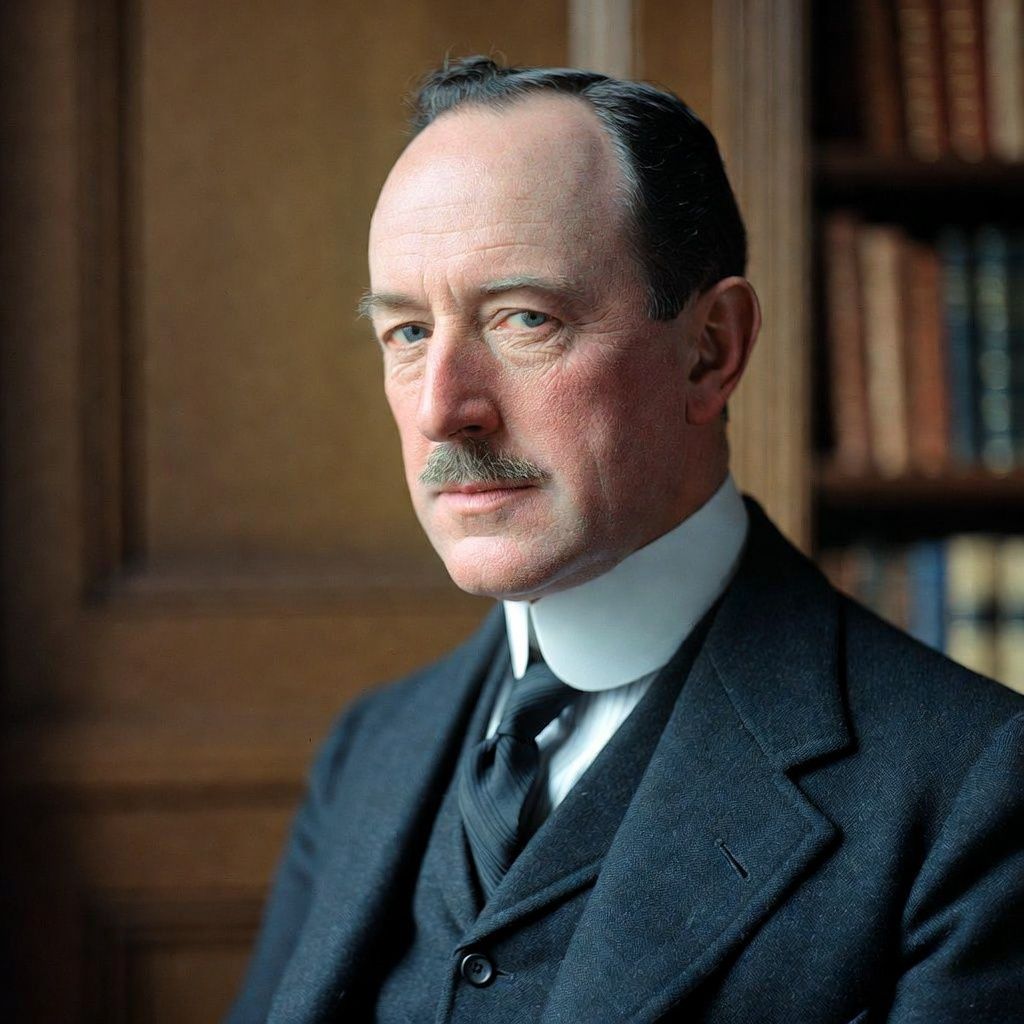
Wilfrid Wilson Gibson (1878–1962) was one of the British “Georgian” poets whose work was widely read during and just after the First World War. Although not a soldier-poet in the trench sense, he wrote repeatedly about the war’s human cost and the moral burden placed on those who survived. These lines come from a short elegiac poem addressed to the living, voicing survivor’s guilt and a heightened awareness of ordinary pleasures—sunlight and rain—after mass death. The speaker’s question frames remembrance not as ceremony but as an unavoidable intrusion into daily sensory experience, insisting that the fallen were ordinary people who cherished the same simple world the survivors still inhabit.
Interpretation
The poem turns commonplace sensations into ethical reminders. “Look again / Happily on the sun” and “feel the rain” represent the everyday continuities of life, yet the speaker cannot enjoy them “without remembering” those who died. The dead “went / Ungrudgingly and spent / Their lives for us,” a phrasing that both honors sacrifice and intensifies the survivor’s discomfort: if they gave everything, how can the living take pleasure without acknowledging that shared capacity for joy? The final clause—“loved, too, the sun and rain”—humanizes the fallen, resisting heroic abstraction and insisting that remembrance must include their ordinary desires, not only their deaths.