I am a marvelous housekeeper. Every time I leave a man, I keep his house.
About This Quote
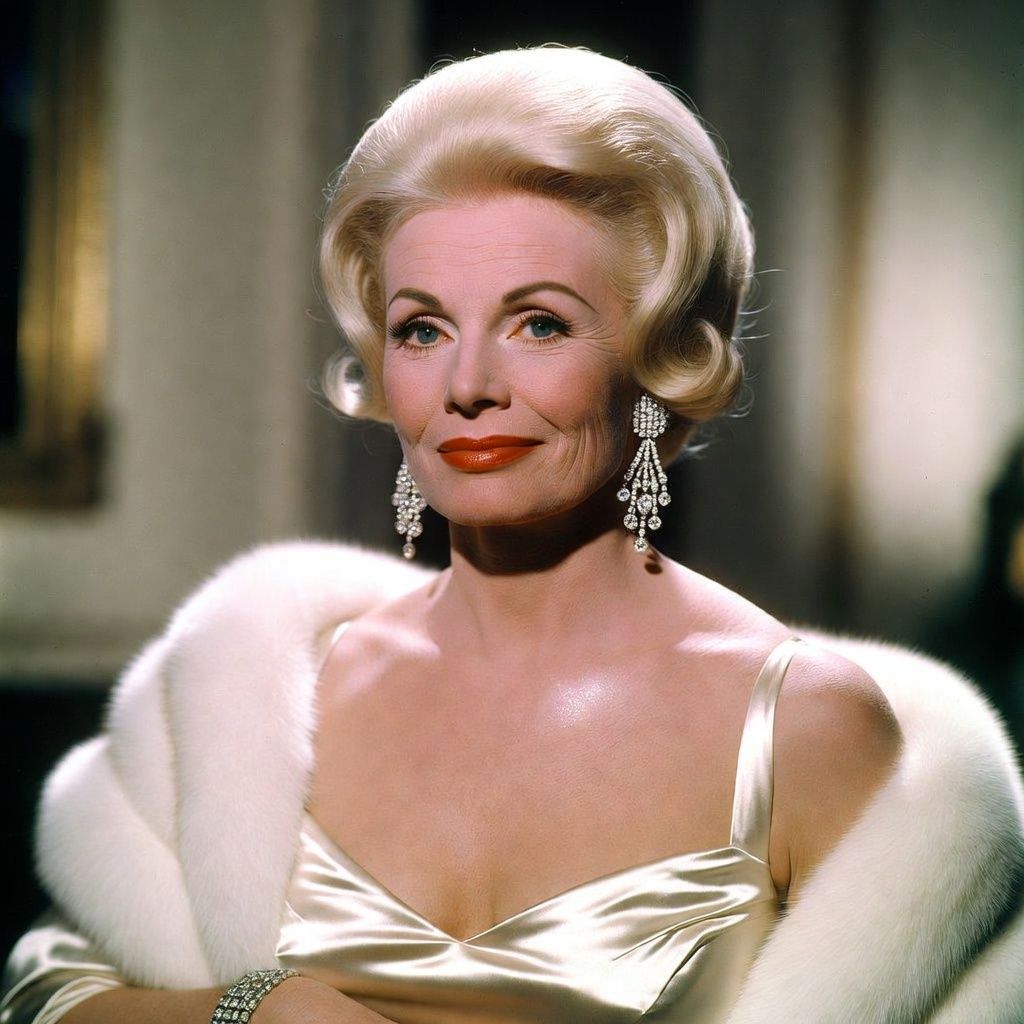
Zsa Zsa Gabor (1917–2016), a Hungarian-born actress and socialite, cultivated a public persona built on glamour, sharp one-liners, and a frank, comic take on romance and marriage. The quip plays on her famously frequent marriages and divorces, turning tabloid narratives about her love life into a self-authored joke. It reflects mid-20th-century celebrity culture in which witty aphorisms circulated through interviews, talk shows, and quote collections, often blurring the line between spontaneous remark and polished “bon mot.” The line’s humor depends on the audience’s awareness of Gabor’s reputation for marrying wealthy men and exiting relationships with material advantage.
Interpretation
The joke hinges on a double meaning of “housekeeper.” Instead of meaning someone who cleans and maintains a home, Gabor recasts it as someone who “keeps the house” in a breakup—i.e., retains the property or the lifestyle. The line satirizes marriage as an economic arrangement and flips conventional expectations about women’s domestic roles: she claims excellence at “housekeeping” precisely by leaving. It also functions as self-mythmaking, using humor to preempt moral judgment and to project agency in relationships. In a broader sense, it comments on the transactional aspects of celebrity marriage and the public’s fascination with divorce settlements.
Variations
1) “I am a marvelous housekeeper. Every time I leave a man, I keep his house.”
2) “I’m a great housekeeper—every time I leave a man, I keep his house.”
3) “I’m a wonderful housekeeper. Every time I leave a man, I keep the house.”