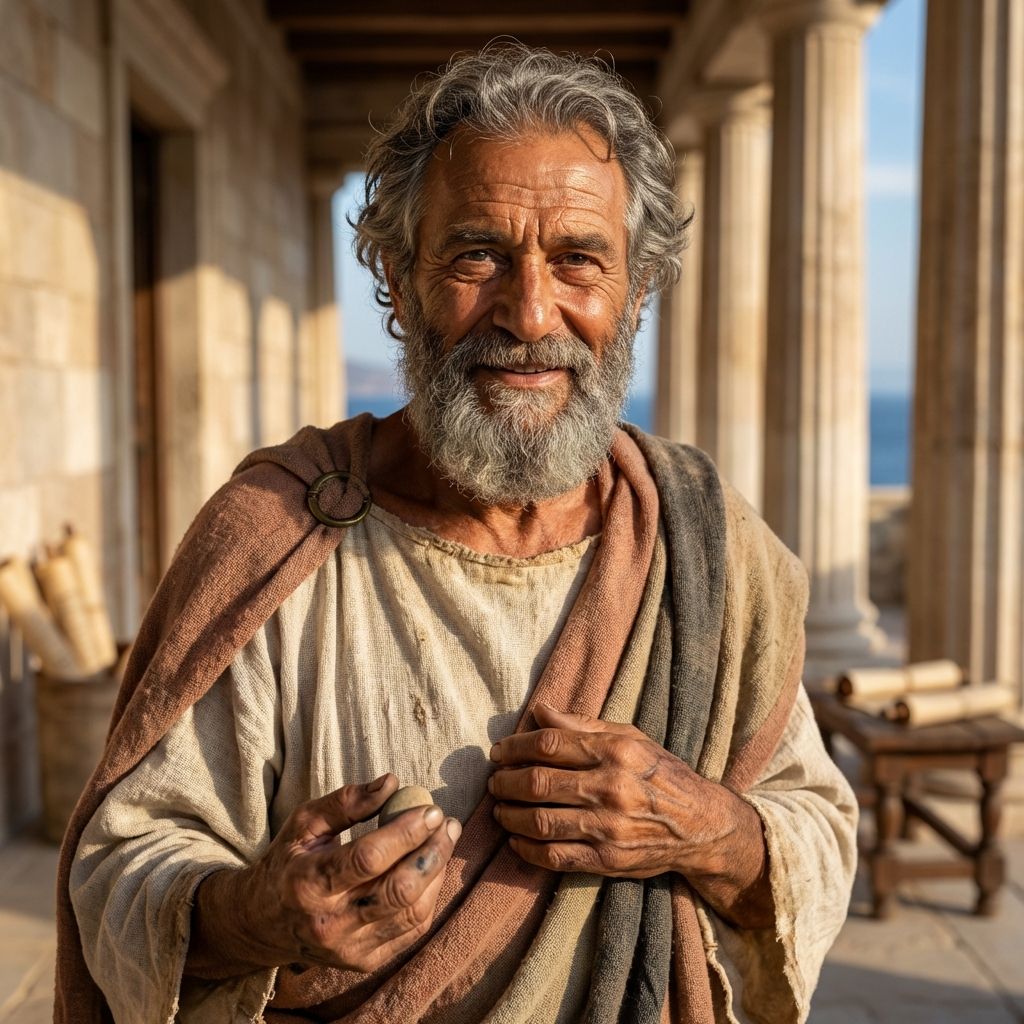
I am only one; but still I am one. I cannot do everything; but still I can do something; and because I cannot do everything, I will not refuse to do the something that I can do.
About This Quote
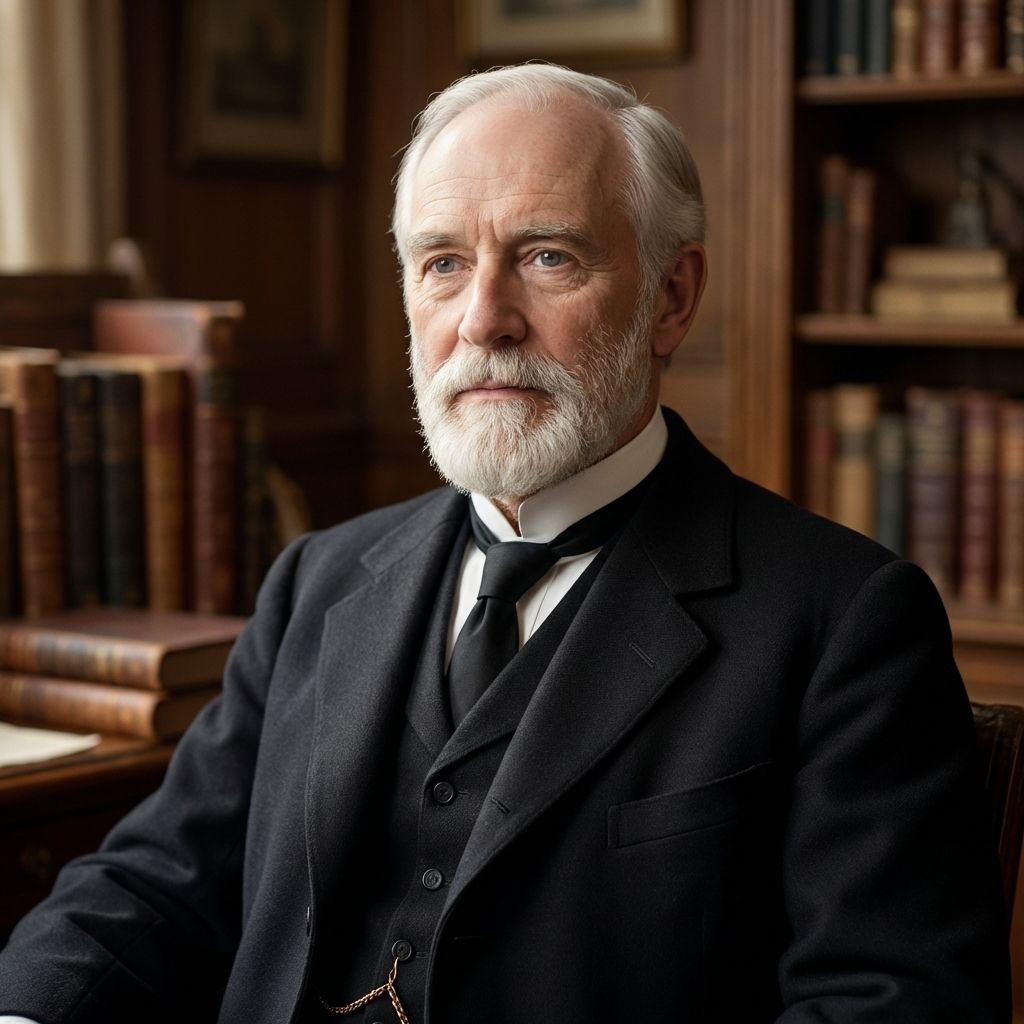
This maxim is widely attributed to Edward Everett Hale in connection with his late–19th-century civic and reform rhetoric, where he urged ordinary individuals to take practical responsibility for social improvement rather than waiting for institutions or “great men” to act. It circulated as a motivational passage in sermons, reform literature, and quotation collections, often presented as a succinct statement of Hale’s emphasis on personal duty and incremental service. While commonly linked to Hale’s public moral exhortations, the line is frequently reproduced without a precise contemporaneous citation, suggesting it may have been popularized through secondary transmission (anthologies, speeches, or paraphrase) rather than a single, easily verifiable first publication.
Interpretation
The quotation argues against moral paralysis caused by perfectionism or the enormity of need. Hale frames ethical action as incremental: being “only one” does not negate responsibility; it defines the scale at which responsibility can be exercised. The repeated contrast—“cannot do everything” versus “can do something”—recasts limitation as a reason to act, not an excuse to abstain. Its rhetorical force comes from turning a common rationalization (“I can’t fix it all”) into a commitment (“so I will do what I can”). The statement has endured because it offers a practical ethic for civic life: meaningful change is the sum of many partial efforts.
Variations
1) “I am only one, but I am one. I cannot do everything, but I can do something. And I will not let what I cannot do interfere with what I can do.”
2) “I am only one; but I am one. I cannot do everything; but I can do something.”
3) “Because I cannot do everything, I will not refuse to do the something I can do.”