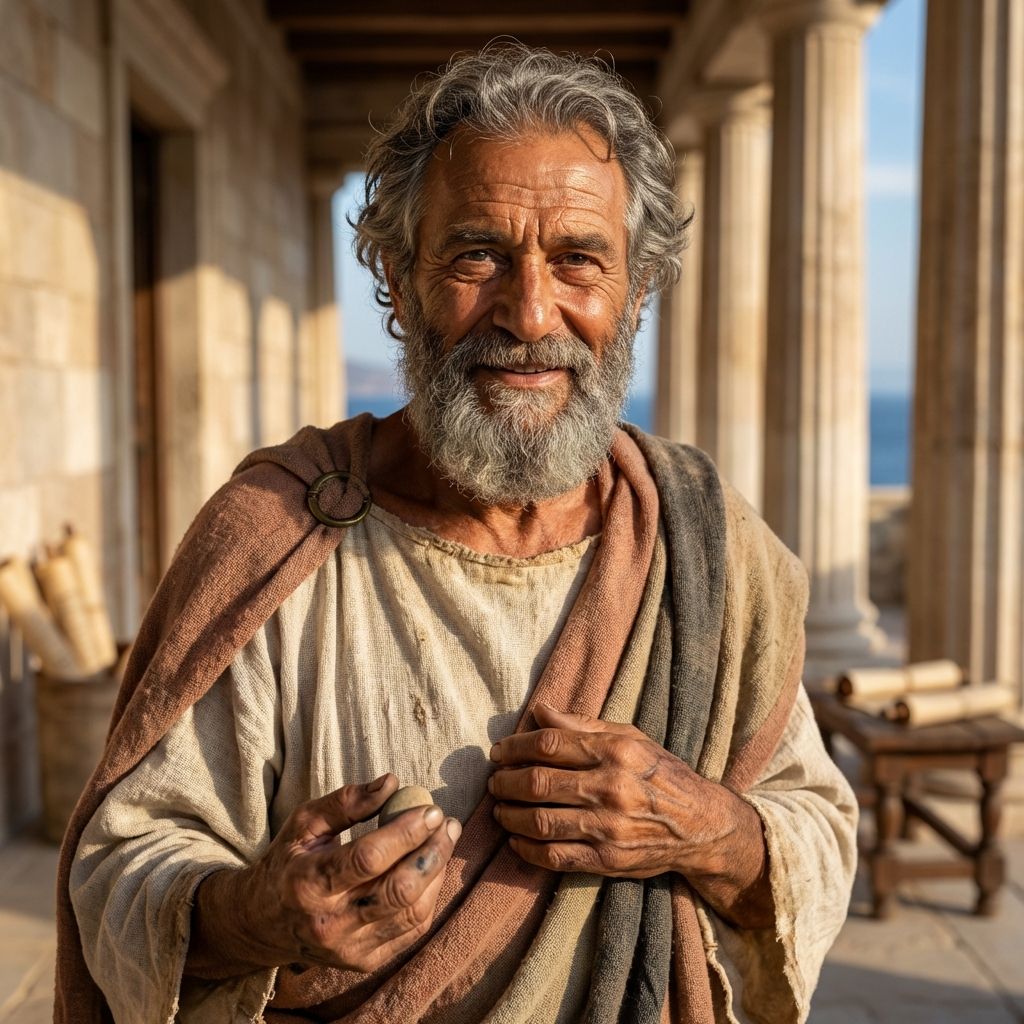
I am a part of all that I have met.
About This Quote
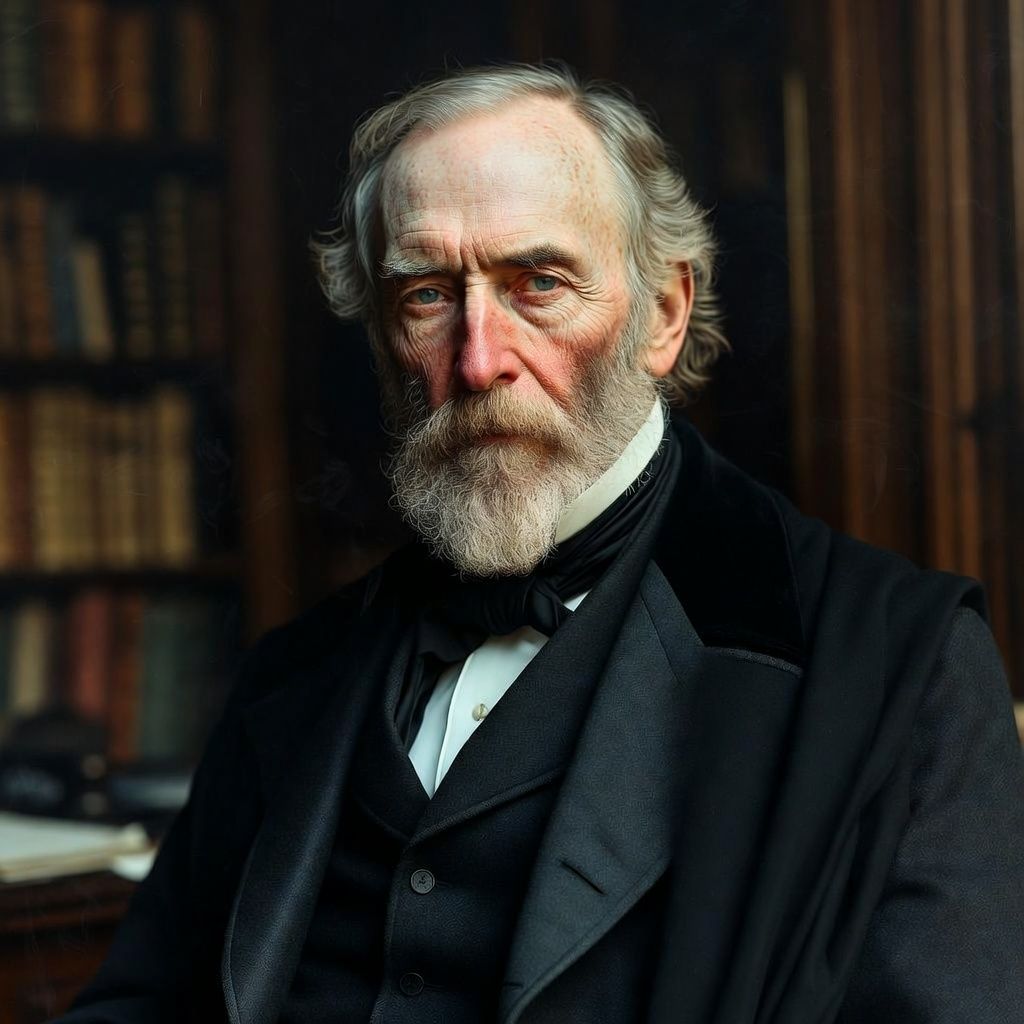
This line is spoken by the aged hero in Alfred, Lord Tennyson’s dramatic monologue “Ulysses,” first published in 1842 (and written soon after the death of Tennyson’s close friend Arthur Henry Hallam). In the poem, Ulysses reflects on a life of travel, conflict, and discovery and feels stifled by the prospect of settling into domestic kingship in Ithaca. The speaker’s restless self-assessment—addressed partly to his mariners—frames experience as something that permanently alters identity, and it helps motivate his resolve to seek “one equal temper of heroic hearts” for further voyaging despite age and limits.
Interpretation
Ulysses claims that the self is not fixed but cumulative: every encounter, place, and relationship leaves a trace that becomes part of who one is. The line compresses a modern-sounding psychology into a classical persona, suggesting that identity is formed through outward engagement rather than inward contemplation alone. It also carries an implicit cost: to stop seeking new experience would be to stop becoming. In the poem’s larger argument, the statement justifies Ulysses’ refusal to be “idle” and his desire to continue striving, even if the pursuit is risky or ultimately futile.
Extended Quotation
I cannot rest from travel: I will drink
Life to the lees: All times I have enjoy'd
Greatly, have suffer'd greatly, both with those
That loved me, and alone; on shore, and when
Thro' scudding drifts the rainy Hyades
Vext the dim sea: I am become a name;
For always roaming with a hungry heart
Much have I seen and known; cities of men
And manners, climates, councils, governments,
Myself not least, but honour'd of them all;
And drunk delight of battle with my peers,
Far on the ringing plains of windy Troy.
I am a part of all that I have met;
Yet all experience is an arch wherethro'
Gleams that untravell'd world whose margin fades
For ever and for ever when I move.
Source
Alfred, Lord Tennyson, “Ulysses,” in Poems (London: Edward Moxon, 1842).