I only regret that I have but one life to lose for my country.
About This Quote
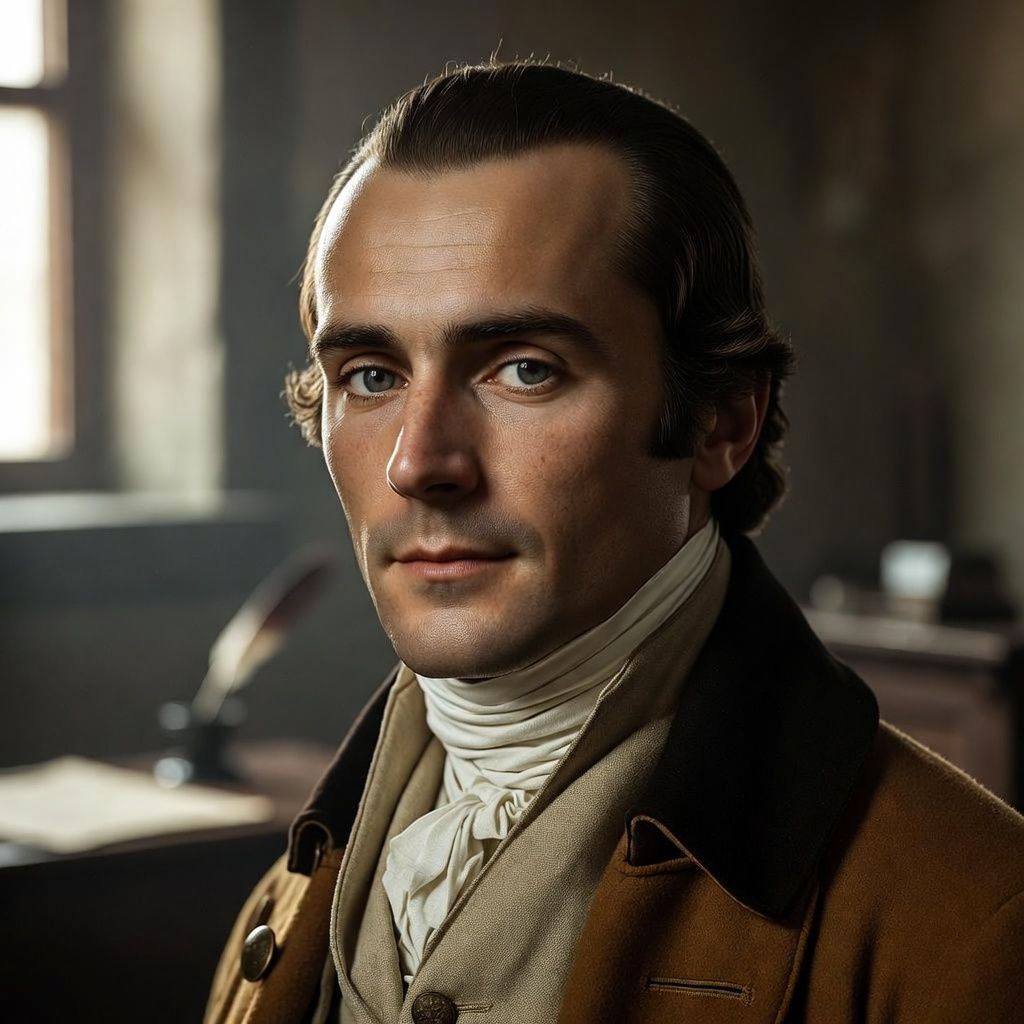
Nathan Hale (1755–1776), a young Continental Army officer, was captured by the British in September 1776 while on an intelligence-gathering mission during the New York campaign of the American Revolution. Disguised as a schoolteacher, he was seized near present-day Flushing Bay/Long Island and taken to British headquarters. He was summarily tried as a spy and hanged the next morning (September 22, 1776). The famous line is traditionally reported as Hale’s final statement before execution, but it was not recorded verbatim by Hale himself; it survives through later recollections and retellings, making the exact wording historically uncertain even though the sentiment is widely associated with him.
Interpretation
The remark frames personal death as a small price compared with devotion to a collective cause. By expressing “regret” not at dying but at having only one life to give, Hale casts sacrifice as both duty and privilege, turning an execution meant to shame a spy into a moral victory. The line helped shape an American revolutionary ideal of civic virtue: the citizen-soldier who values liberty and country above self-preservation. Its enduring power also lies in its rhetorical simplicity—one life set against an entire nation’s fate—making it a compact emblem of patriotic martyrdom, even as historians note that the precise phrasing may be a later, polished version of what he said.
Variations
1) "I only regret that I have but one life to lose for my country." 2) "I regret that I have but one life to lose for my country." 3) "I only regret that I have but one life to give for my country."