
If the right of privacy means anything, it is the right of the individual, married or single, to be free from unwarranted governmental intrusion into matters so fundamentally affecting a person as the decision whether to bear or beget a child.
About This Quote
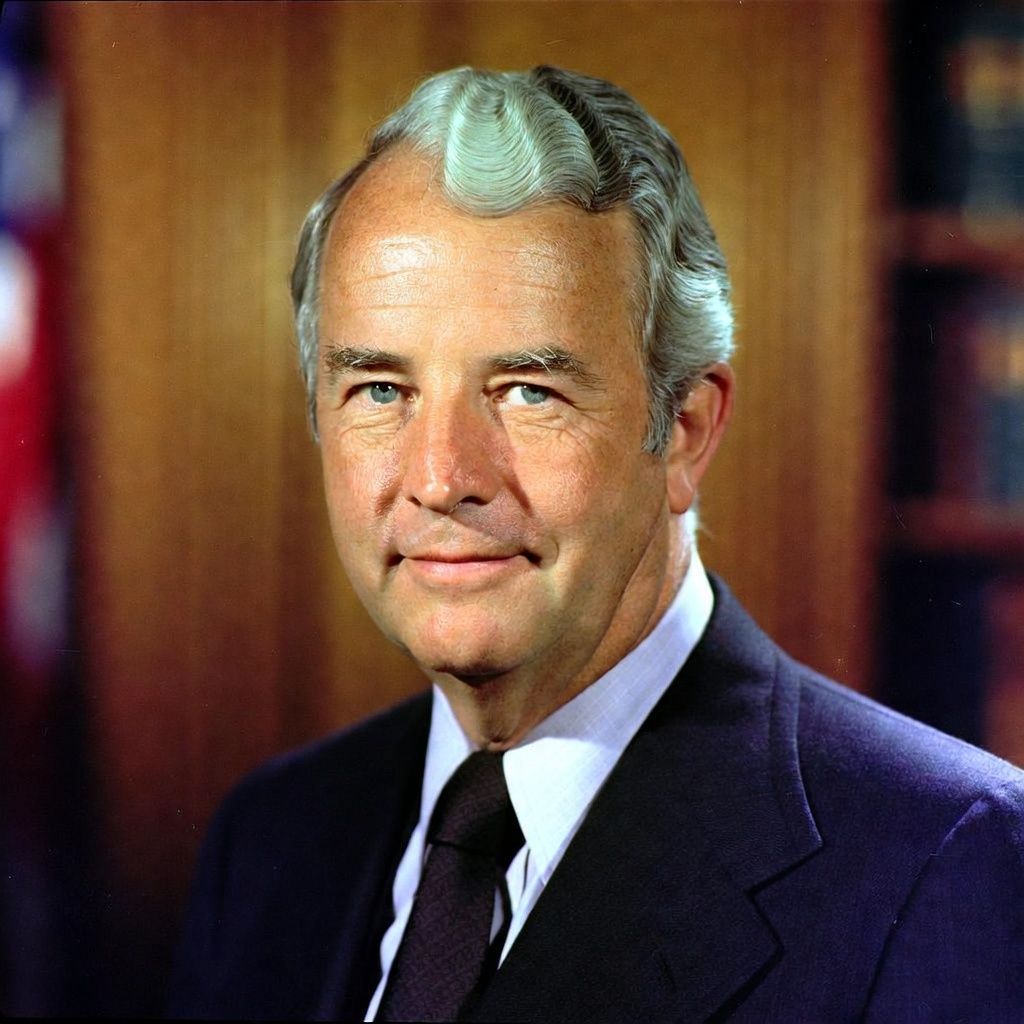
This sentence comes from Justice William J. Brennan Jr.’s majority opinion for the U.S. Supreme Court in Griswold v. Connecticut (1965). The case struck down a Connecticut law that criminalized the use of contraceptives, even by married couples. Writing during a period when the Court was expanding constitutional protections for personal autonomy, Brennan framed the issue as one of “privacy” against intrusive state power. The opinion treated decisions about contraception and procreation as intimate choices shielded by constitutional guarantees, helping to crystallize a modern doctrine of privacy that later influenced cases involving reproductive freedom and family life.
Interpretation
Brennan argues that “privacy” is not an abstract slogan but a concrete protection for deeply personal decisions—here, whether to have children. By explicitly including “married or single,” he emphasizes that the liberty at stake belongs to individuals, not merely to marital institutions. The phrase “unwarranted governmental intrusion” casts the state as an outsider entering a sphere of bodily and familial autonomy where it lacks sufficient justification. The line is significant because it links constitutional privacy to reproductive choice, laying groundwork for later jurisprudence that treats decisions about contraception, childbearing, and family formation as central to personal dignity and freedom.
Source
William J. Brennan, Jr., majority opinion, Griswold v. Connecticut, 381 U.S. 479 (1965).

