
They shall grow not old, as we that are left grow old:
Age shall not weary them, nor the years condemn.
At the going down of the sun and in the morning
We will remember them.
Age shall not weary them, nor the years condemn.
At the going down of the sun and in the morning
We will remember them.
About This Quote
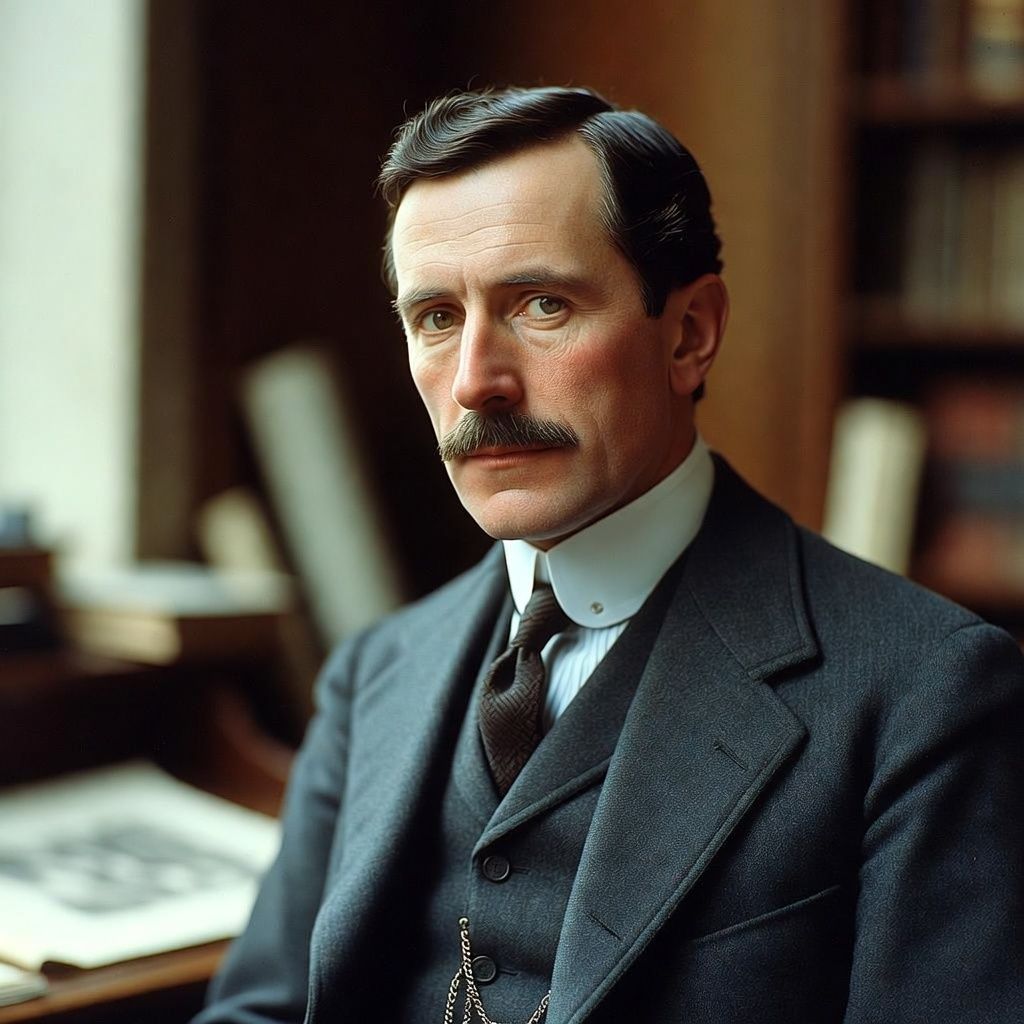
These lines come from Laurence Binyon’s poem “For the Fallen,” written in the early months of the First World War and first published in 1914. Binyon (1869–1943), a poet and art scholar associated with the British Museum, composed the poem as casualty lists mounted and public grief sought forms of expression. The quoted stanza became especially prominent as a ceremonial act of remembrance for those who died in war, later adopted in commemorations such as Armistice/Remembrance services across the Commonwealth. The lines are often recited responsively, with “We will remember them” serving as a communal pledge to keep the dead present in collective memory.
Interpretation
Binyon contrasts the living—who must endure aging, fatigue, and the moral weight of passing years—with the war dead, who are imagined as forever beyond time’s erosion. “They shall grow not old” does not deny death; it reframes it as a kind of fixed, honored youth, preserved in memory and ritual. The cadence and parallelism (“Age shall not… nor the years…”) give the lines a liturgical authority, turning private mourning into public vow. The final image—sunset and morning—suggests a daily, cyclical act of remembrance, implying that commemoration should be as regular and inevitable as the turning of the day.
Variations
1) “At the going down of the sun and in the morning, we will remember them.” (often printed as a single line)
2) “We will remember them.” (frequently used alone as the congregational response in remembrance services)
Source
Laurence Binyon, “For the Fallen,” The Times (London), 21 September 1914.
