We are so accustomed to disguise ourselves to others that in the end we become disguised to ourselves.
About This Quote
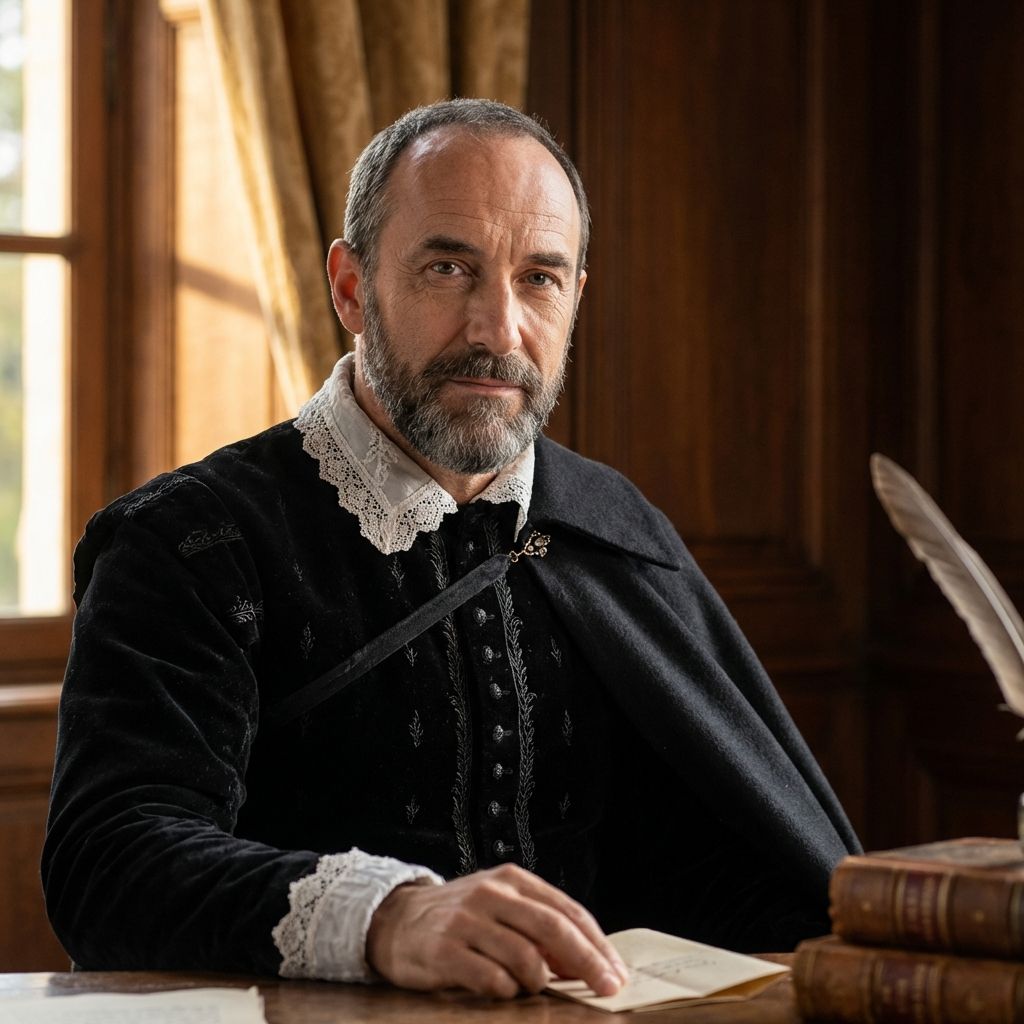
François de La Rochefoucauld (1613–1680), a French nobleman shaped by court life, political intrigue, and the disillusionments of the Fronde, distilled his observations of human behavior into terse moral maxims. In the salons and at court, reputation depended on tact, self-presentation, and strategic concealment—conditions that encouraged habitual “masking.” This remark belongs to the moral-psychological world of his Maximes, where he repeatedly argues that self-love (amour-propre) drives people to manage appearances. The line reflects a seventeenth-century aristocratic milieu in which social performance could become second nature, blurring the boundary between genuine character and the persona maintained for others.
Interpretation
The maxim suggests that sustained self-presentation is not merely deceptive toward others but corrosive to self-knowledge. When a person repeatedly edits motives, feelings, and opinions to fit social expectations, the “mask” can harden into identity: one forgets what was originally felt or intended. La Rochefoucauld’s point is not simply that people lie, but that the habit of managing impressions can produce a kind of inner alienation—an inability to distinguish authentic desire from performed virtue. The observation fits his broader skepticism about moral purity: even our self-understanding is vulnerable to the same vanity and self-interest that govern our public behavior.