What you allow, you encourage.
About This Quote
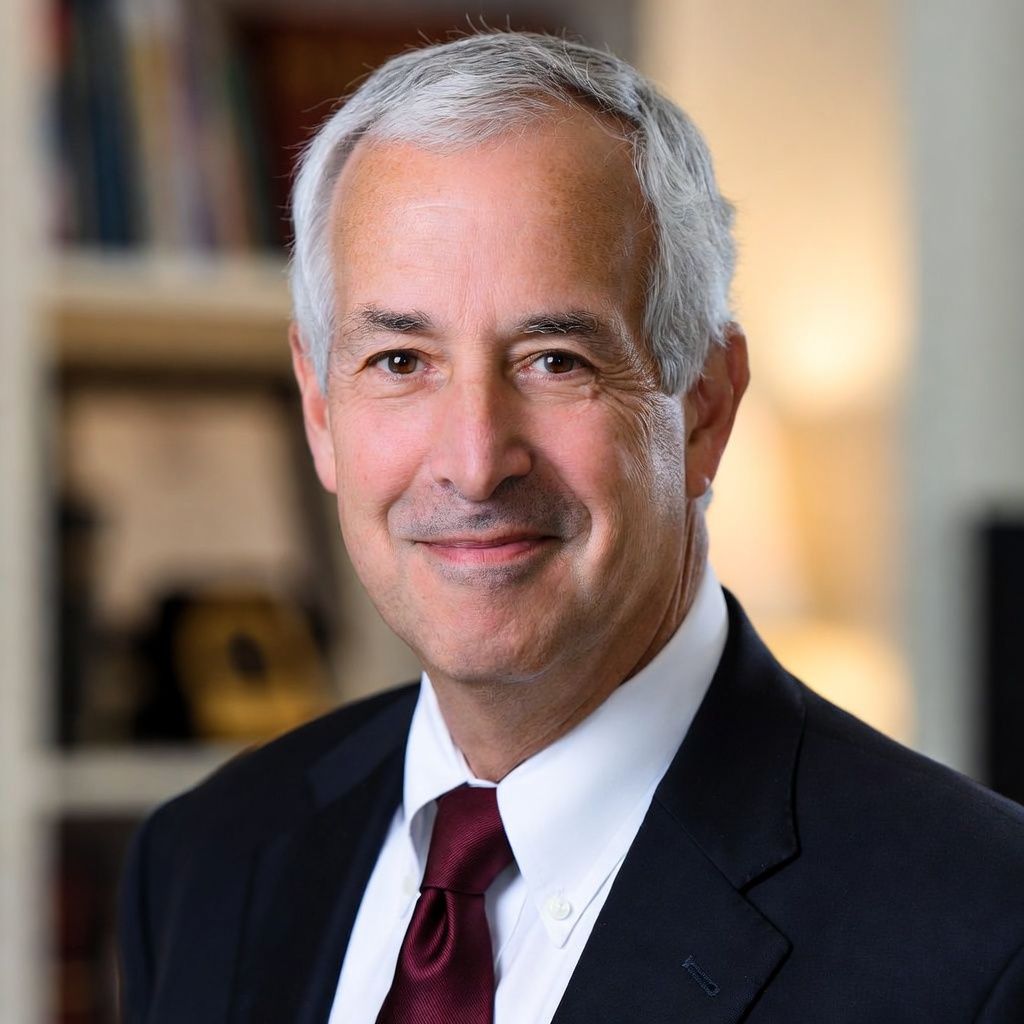
Michael Josephson is an American ethicist and founder of the Josephson Institute of Ethics, known for practical, aphoristic guidance on character, leadership, and organizational culture. The maxim “What you allow, you encourage” circulates widely in management and ethics training contexts associated with his work, emphasizing the responsibility of leaders, parents, and institutions to set and enforce standards. It is typically invoked in discussions of workplace conduct, school discipline, and public integrity: tolerating small breaches (incivility, dishonesty, harassment, cutting corners) signals tacit approval and can normalize them. While often quoted as a standalone line, it reflects Josephson’s broader theme that ethical culture is shaped less by stated values than by what is permitted in practice.
Interpretation
The quote argues that in social systems, inaction is a form of action: when you tolerate a behavior, you implicitly reward it by removing consequences and by signaling that it is acceptable. Over time, that tolerance can shift norms, making the behavior more frequent and more extreme. The line is especially pointed for people with authority—managers, teachers, parents, public officials—because their silence or inconsistency teaches others what the real rules are. It also suggests a moral duty to intervene early: preventing harm and preserving trust often depends on addressing “minor” misconduct before it becomes embedded in a group’s culture.
Variations
“What you permit, you promote.”
“What you tolerate, you encourage.”
“What you allow is what will continue.”