There are such beings as vampires, some of us have evidence that they exist. Even had we not the proof of our own unhappy experience, the teachings and the records of the past give proof enough for sane peoples.
About This Quote
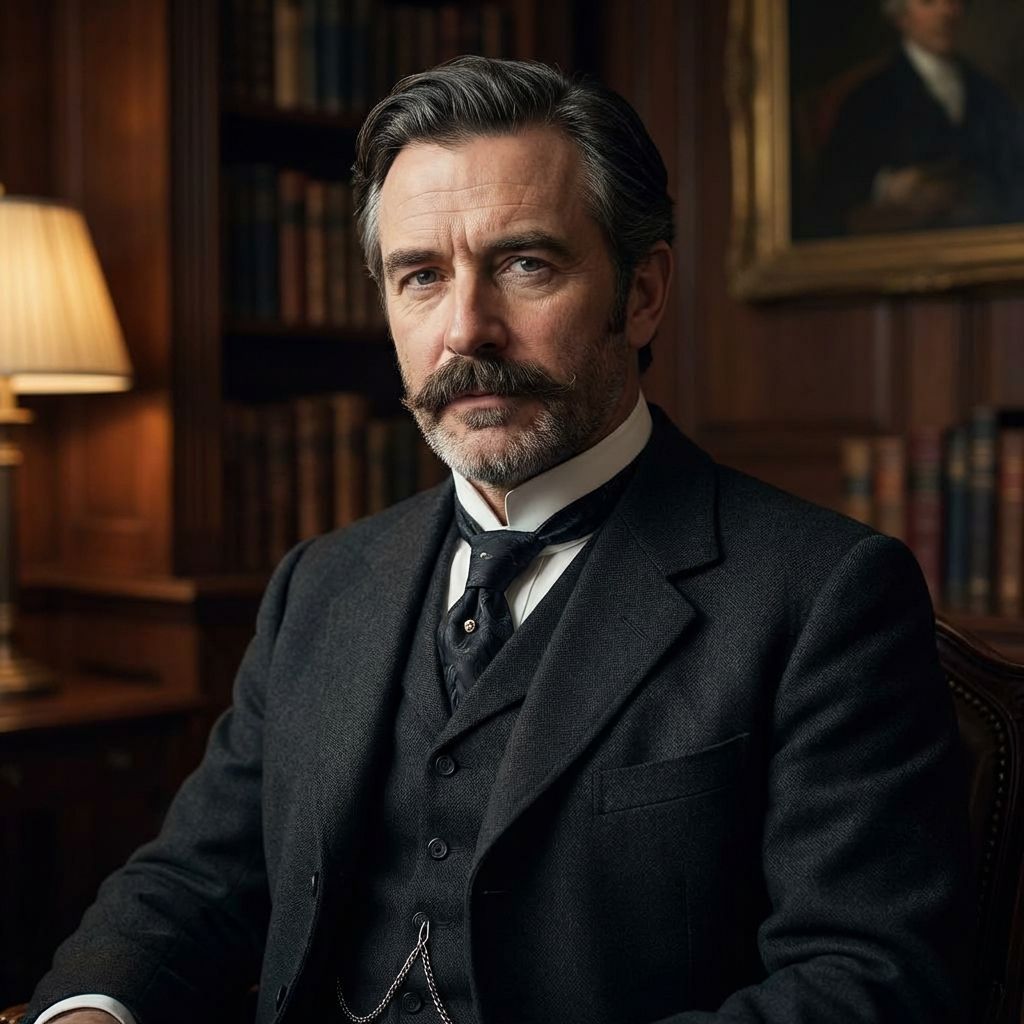
This line appears in Bram Stoker’s novel *Dracula* (1897) during the group’s early efforts to understand the nature of the threat they face. Spoken in the voice of Dr. John Seward’s diary (one of the novel’s epistolary narrators), it reflects the moment when the characters—initially skeptical, modern professionals—are forced to accept Professor Van Helsing’s supernatural explanation for Lucy Westenra’s condition. The statement frames vampirism not as mere folklore but as something corroborated by personal experience and by historical “records,” echoing late-Victorian tensions between scientific rationalism and older traditions of belief.
Interpretation
The quotation dramatizes a key strategy of *Dracula*: making the incredible sound credible. By appealing both to “unhappy experience” and to the “teachings and records of the past,” the speaker argues that rational people should accept evidence even when it overturns conventional assumptions. The phrase “sane peoples” is pointed—skepticism is treated not as intelligence but as a refusal to follow evidence where it leads. Stoker uses this rhetoric to bridge modernity and superstition, suggesting that the past contains knowledge the present has dismissed too quickly, and that confronting evil may require recovering older frameworks of understanding.