And so I betake myself to that course, which is almost as much as to see myself go into my grave; for which, and all the discomforts that will accompany my being blind, the good God prepare me!
About This Quote
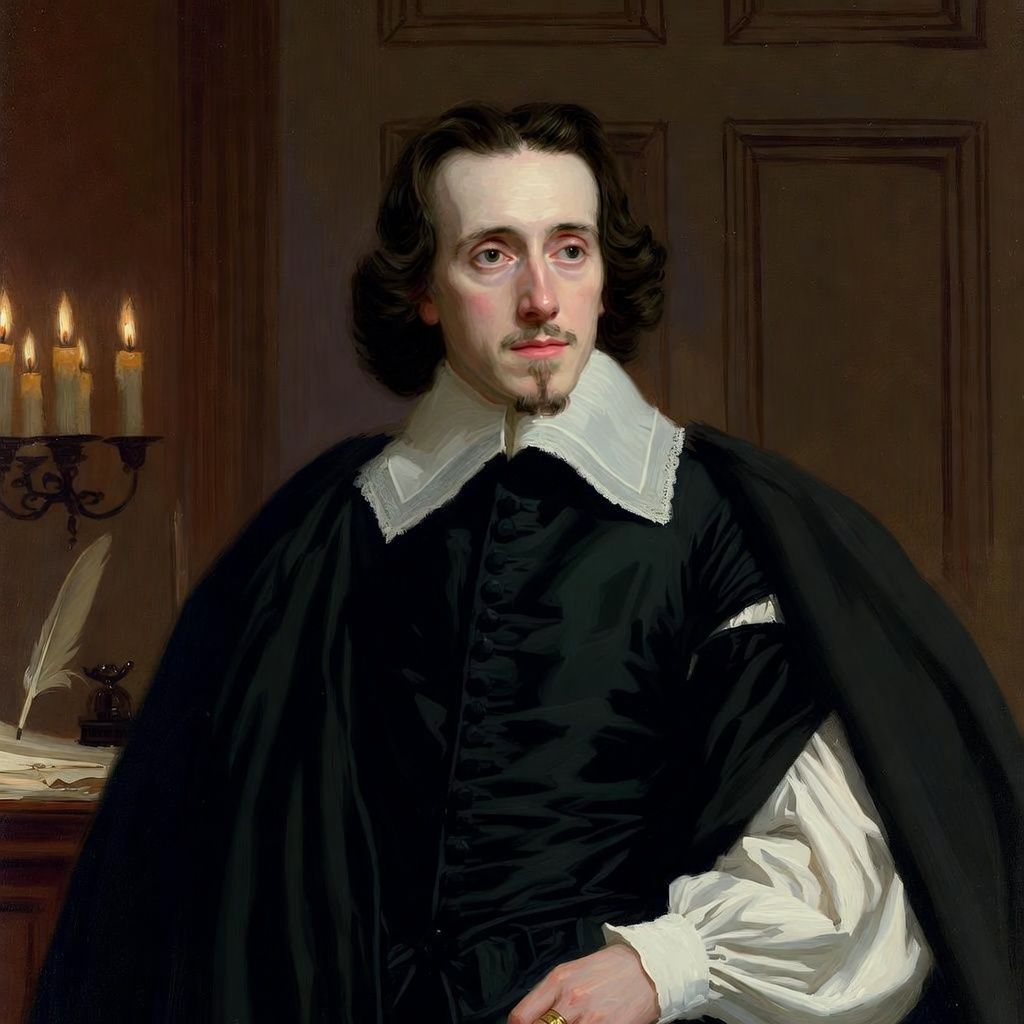
This line comes from Samuel Pepys’s private diary during a period when he feared he was going blind. Pepys had long suffered from painful eye strain and worsening vision, likely aggravated by constant reading and writing in poor light. In 1669 his condition became severe enough that he contemplated (and soon undertook) giving up diary-keeping and much of his close work, a decision he experienced as a kind of living death because writing was central to his identity and daily self-scrutiny. The sentence is framed as a prayerful resignation: he braces himself for the “course” he must take and asks God to prepare him for the loss and its attendant hardships.
Interpretation
Pepys equates the prospect of blindness with entering the grave: not merely a physical impairment, but the end of the life he knows—his work, pleasures, and the intimate habit of recording experience. The phrasing captures his characteristic mixture of practical resolve (“I betake myself to that course”) and emotional candor, turning a medical decision into an existential reckoning. The appeal to “the good God” is less triumphal faith than a plea for endurance, acknowledging that suffering will extend beyond the loss of sight to the daily “discomforts” of dependence and diminished agency. The line thus dramatizes how disability can be experienced as social and psychological death as well as bodily change.