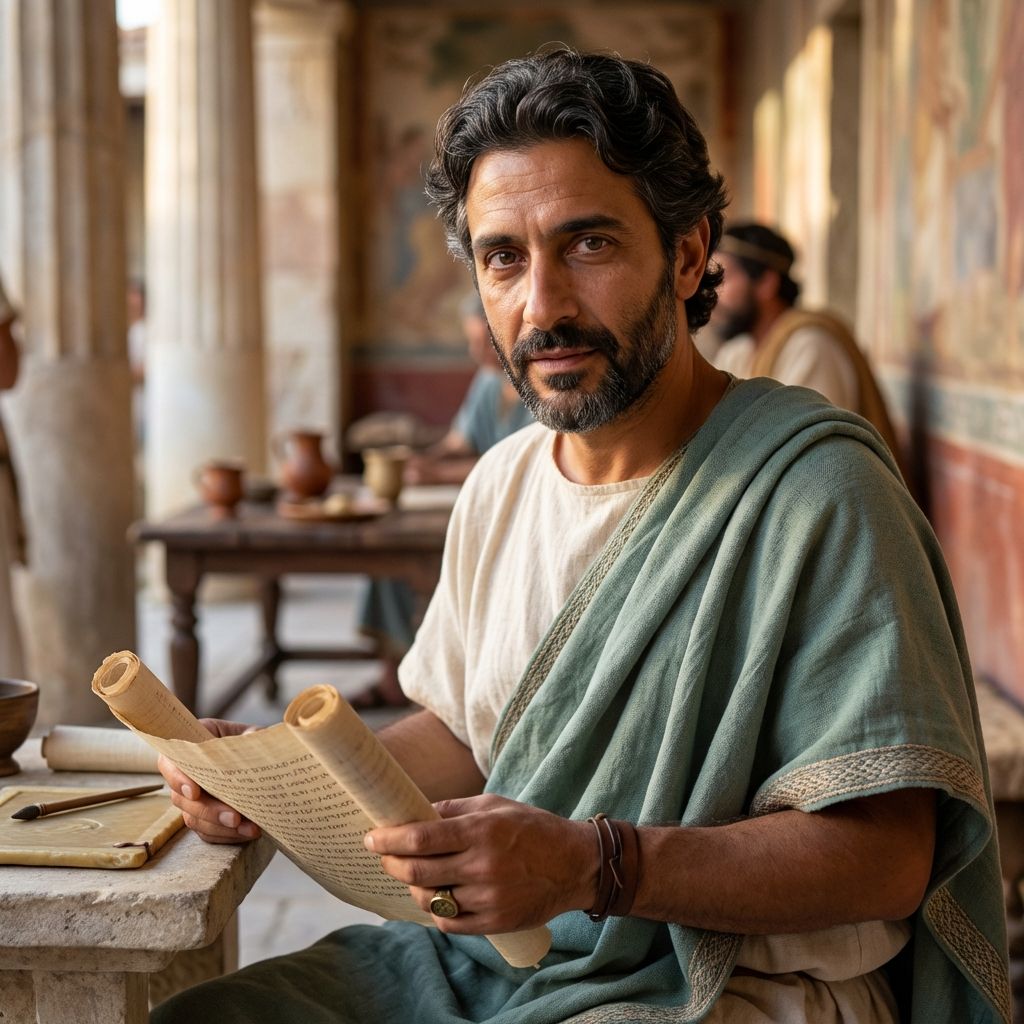
The better the gambler, the worse the man.
About This Quote

Publilius Syrus (1st century BCE) was a Syrian-born writer of Latin mimes whose pointed moral maxims were later excerpted and circulated as the Sententiae (or “Maxims”). These one-line aphorisms, preserved through manuscript tradition and used in rhetorical and school settings, often warn against vices that corrode character and civic trust. The saying about gamblers fits Syrus’s broader ethical stance: Roman moralists commonly treated gambling (alea) as a marker of intemperance, irresponsibility, and social disorder. The line likely comes to us not from a single staged mime with a known date, but from the later compiled collection of Syrus’s sententiae.
Interpretation
The maxim draws a sharp moral equation between skill at gambling and moral decline. To be “better” at gambling implies not merely luck but practiced cunning, emotional hardening, and a willingness to exploit others’ weakness—traits that, in this ethical framework, signal a “worse” person. Syrus’s epigram also suggests that vice can be refined into expertise: the more one perfects a corrupt practice, the more one’s character is shaped by it. Read broadly, it warns that competence is not morally neutral; excellence in a harmful pursuit may deepen vice rather than redeem it.