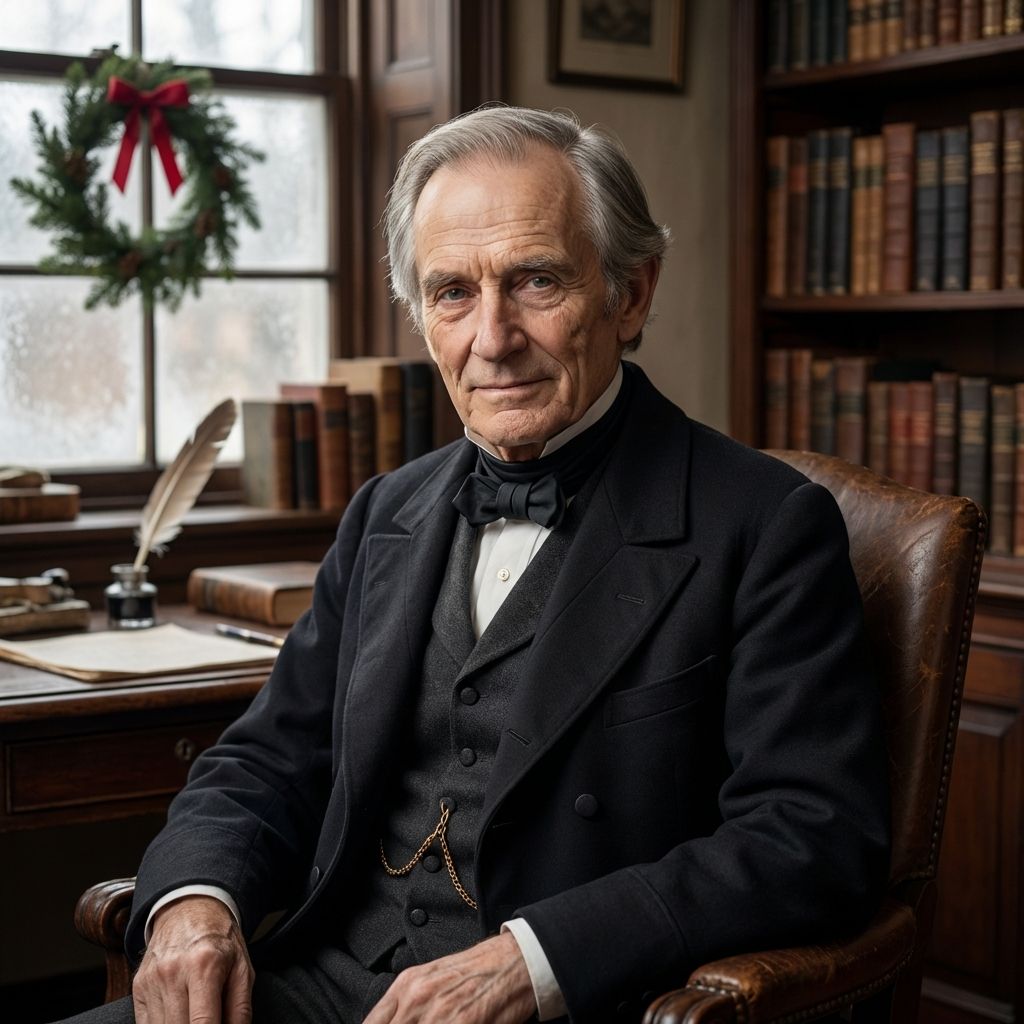
It came upon the midnight clear,
That glorious song of old,
From angels bending near the earth
To touch their harps of gold:
“Peace on the earth, good will to men
From heav’n’s all-gracious King.”
The world in solemn stillness lay
To hear the angels sing.
That glorious song of old,
From angels bending near the earth
To touch their harps of gold:
“Peace on the earth, good will to men
From heav’n’s all-gracious King.”
The world in solemn stillness lay
To hear the angels sing.
About This Quote
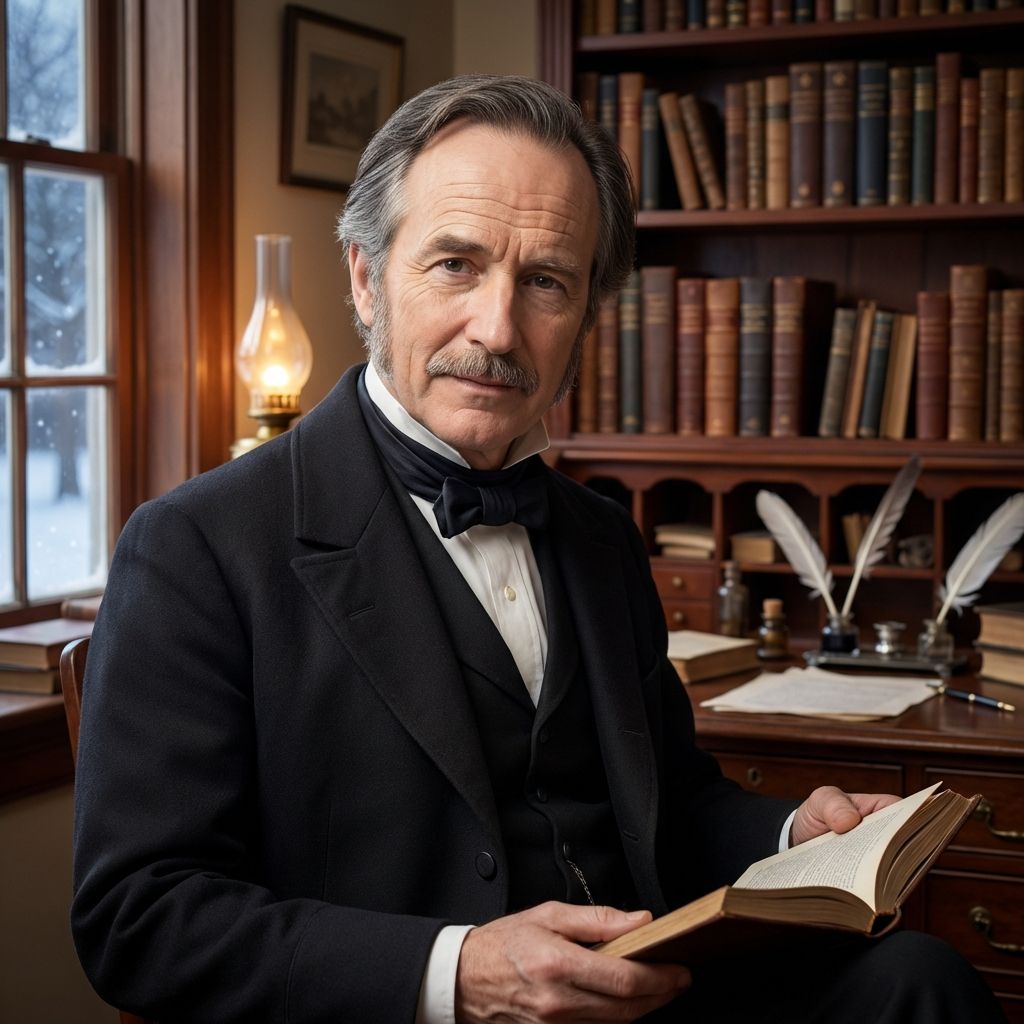
These lines open Edmund Hamilton Sears’s Christmas hymn “It Came Upon the Midnight Clear,” written in the late 1840s when Sears was a Unitarian minister in Massachusetts. The hymn was composed amid a period of social strain and political unrest in the United States and Europe (including the aftermath of the Mexican–American War and the revolutions of 1848). Sears’s text draws on the Nativity narrative and the angelic proclamation of peace in Luke 2, but it is also shaped by his pastoral concern for a weary, conflict-ridden world. The hymn quickly entered American hymnals and became a staple of Christmas worship and caroling.
Interpretation
The stanza frames Christmas as a moment when an ancient, heavenly message breaks into human history: “peace on the earth, good will to men.” Sears emphasizes stillness and listening—“The world in solemn stillness lay”—suggesting that peace is not merely announced but must be received. The “midnight” setting heightens the contrast between darkness and revelation, while the angels’ nearness (“bending near the earth”) implies divine compassion and intimacy. Read in its nineteenth-century context, the hymn’s serenity is not escapist; it implicitly critiques war and social discord by holding up the angelic song as a moral standard against which human violence and restlessness are measured.
Variations
1) “Peace on the earth, good will to men” is often printed as “Peace on earth, goodwill to men.”
2) “From heav’n’s all-gracious King” is sometimes modernized as “From heaven’s all-gracious King.”
3) Some hymnals alter the line to “Peace on the earth, goodwill to all,” reflecting inclusive language revisions.
Source
Edmund H. Sears, “It Came Upon the Midnight Clear” (hymn text), first published in 1849.