
The chilling effect upon the exercise of First Amendment rights may derive from the fact of the prosecution, unaffected by prospects of its success or failure.
About This Quote
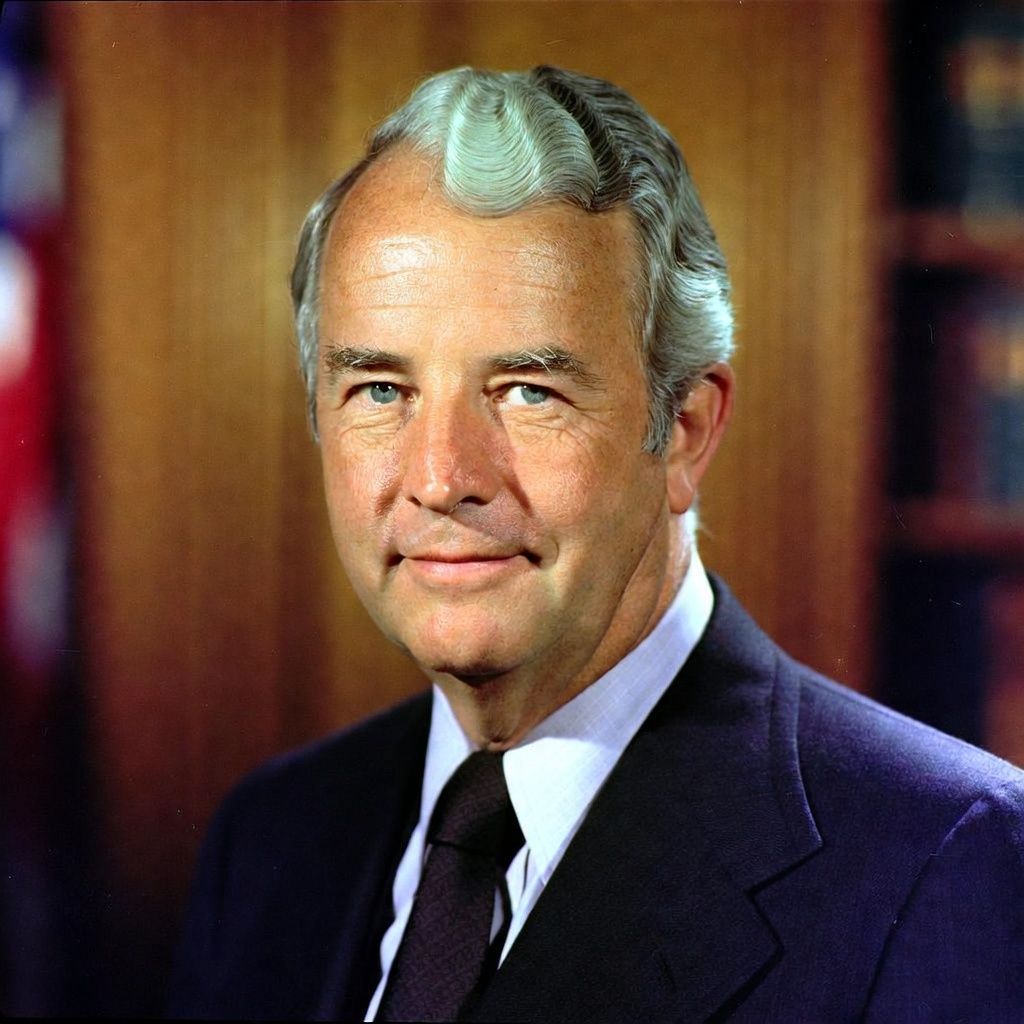
This sentence is from Justice William J. Brennan, Jr.’s opinion for the U.S. Supreme Court in a First Amendment case addressing how government enforcement actions can deter speech. Brennan emphasized that the “chilling effect” on expression often arises not only from the risk of conviction, but from the burdens and intimidation inherent in being prosecuted at all—legal costs, publicity, uncertainty, and the fear of future targeting. The point was deployed to justify heightened judicial sensitivity to laws or prosecutions that may deter protected speech, even when the government’s case is weak or likely to fail.
Interpretation
Justice William J. Brennan, Jr. is emphasizing that government action can suppress speech simply by initiating legal proceedings. Even if a prosecution is unlikely to succeed, the burdens of investigation, trial, expense, and public exposure can deter people from speaking, publishing, associating, or protesting. The quote captures a core First Amendment concern: deterrence operates through fear and uncertainty, not only through final punishments. It also helps explain why courts sometimes require heightened procedural safeguards, narrow tailoring, or clear standards in speech-related laws—because the process itself can function as a penalty, discouraging lawful expression before any court ever reaches the merits.
Source
Dombrowski v. Pfister, 380 U.S. 479 (1965) (Justice Brennan, opinion of the Court).


