Commerce is the great civilizer. We exchange ideas when we exchange fabrics.
About This Quote
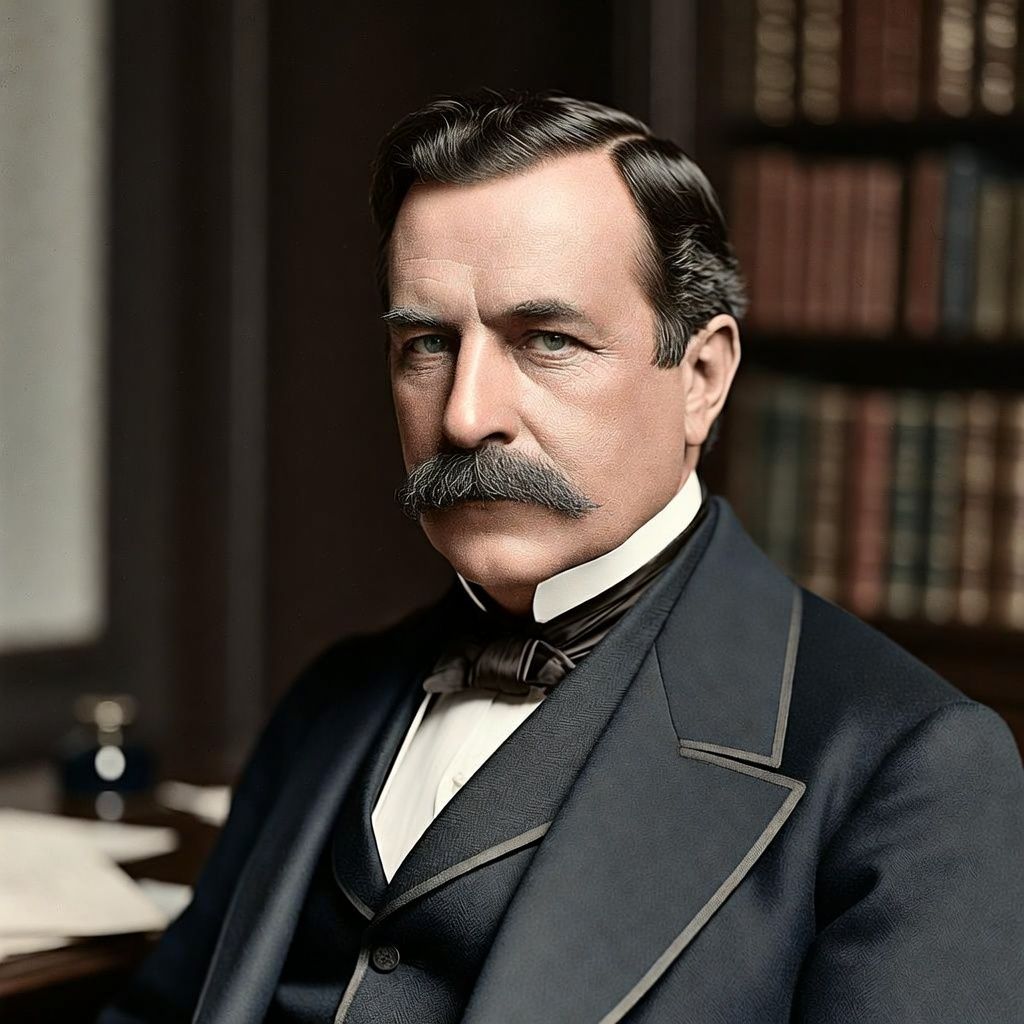
Interpretation
Ingersoll’s aphorism links material exchange to intellectual and moral progress. “Commerce” is cast not merely as buying and selling but as a mechanism that brings peoples into contact, softening prejudice through mutual dependence and familiarity. The image of trading “fabrics” suggests everyday, tangible goods, implying that even ordinary markets can carry culture: languages, customs, technologies, and political ideas travel along the same routes as merchandise. The claim also reflects a liberal, cosmopolitan faith common in nineteenth-century free-trade rhetoric—that interconnection reduces conflict and promotes “civilization.” At the same time, the line can be read as an idealized view of commerce, overlooking how trade can also transmit exploitation or inequality.