Creativity is not merely the innocent spontaneity of our youth and childhood it must also be married to the passion of the adult human being, which is a passion to live beyond one’s death.
About This Quote
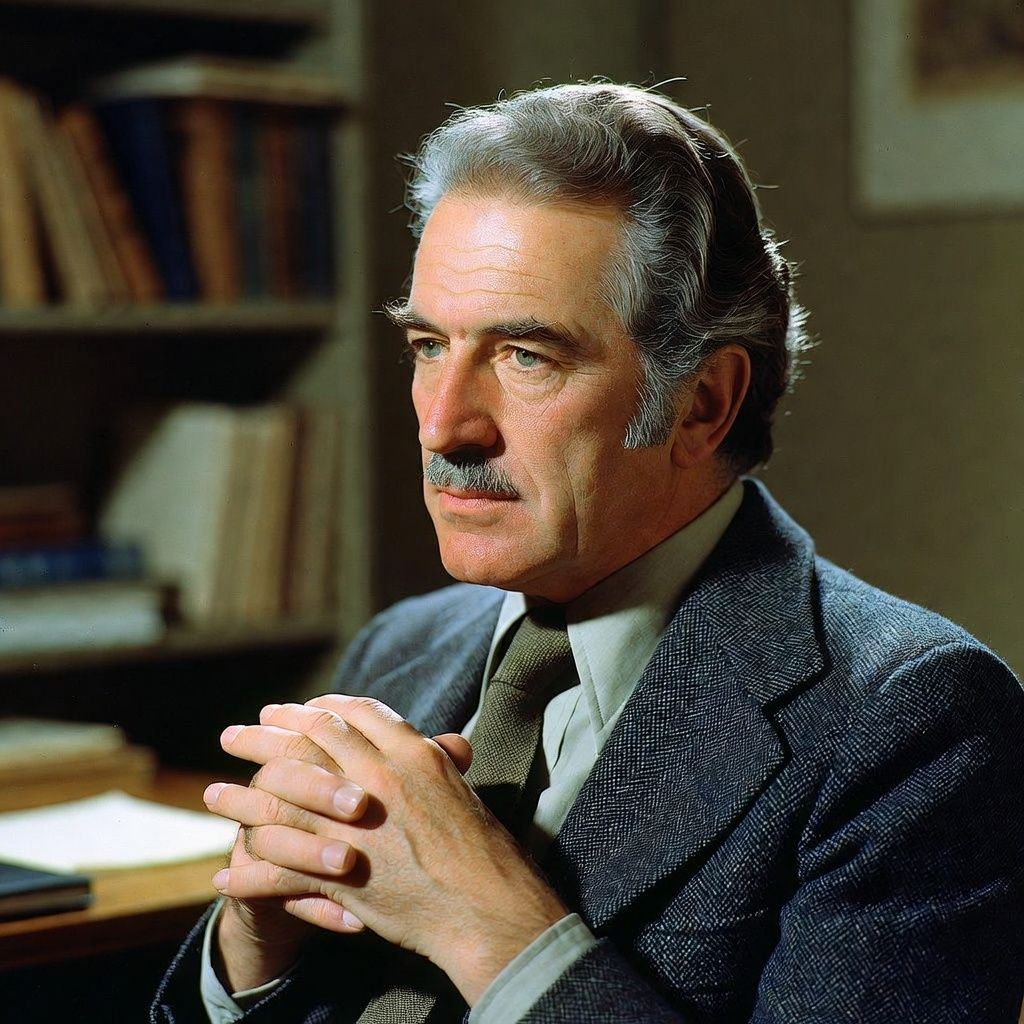
Rollo May (1909–1994), an American existential psychologist, wrote frequently about creativity as a courageous, meaning-making act rather than a purely playful talent. This line is commonly attributed to his mid‑century reflections on art, psychotherapy, and the modern individual’s struggle with anxiety, mortality, and purpose. In that framework, May contrasts childhood spontaneity with the adult’s heightened awareness of finitude. Creativity, for him, becomes a way to confront death indirectly—by shaping something that endures (a work, an idea, a contribution) and thus participates in “immortality” through legacy rather than literal survival.
Interpretation
May argues that creativity is not just unselfconscious play or youthful improvisation. Mature creativity requires commitment, discipline, and the adult’s existential urgency: the desire for one’s life to matter beyond its biological endpoint. The “marriage” he describes joins spontaneity (openness, freshness, imagination) with passion (depth, risk, responsibility). The quote suggests that the highest creativity is driven by an encounter with mortality—an attempt to leave traces that outlast the self. In May’s existential view, this is not vanity but a fundamental human striving for meaning, continuity, and participation in something larger than one’s individual lifespan.