We didn’t land on Plymouth Rock; the rock was landed on us.
About This Quote
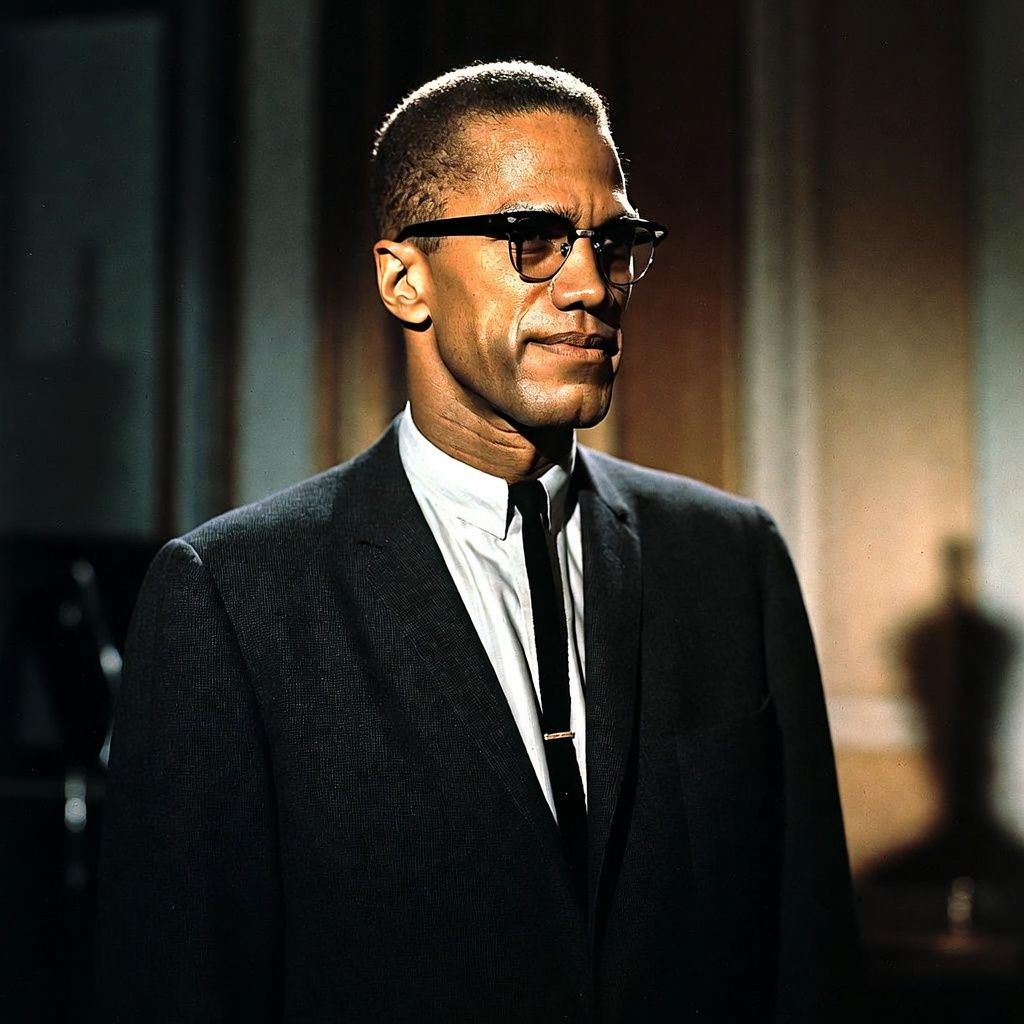
Malcolm X used this line in speeches in the early 1960s while arguing that Black Americans should reject celebratory national myths that center white settlement and portray the United States as a consensual “landing” and founding. By invoking Plymouth Rock—a symbol of Pilgrim arrival and American origins—he reframed the story from the perspective of Africans brought through slavery and their descendants, emphasizing coercion, dispossession, and violence rather than voluntary immigration. The quip functions as a memorable reversal in his broader critique of integrationist rhetoric and his insistence on naming the historical realities of enslavement and racial domination.
Interpretation
The aphorism turns a cornerstone of U.S. civic mythology into an indictment. “We didn’t land” rejects the idea that Black people arrived as free settlers participating in a shared national project; “the rock was landed on us” suggests crushing weight—an imposed history of slavery, exploitation, and structural oppression. The humor and inversion sharpen the political point: if the nation’s founding symbols exclude or erase Black experience, then appeals to patriotism and “common heritage” can function as ideological cover. The line encapsulates Malcolm X’s insistence that liberation requires confronting origins and power, not merely seeking inclusion in a sanitized narrative.