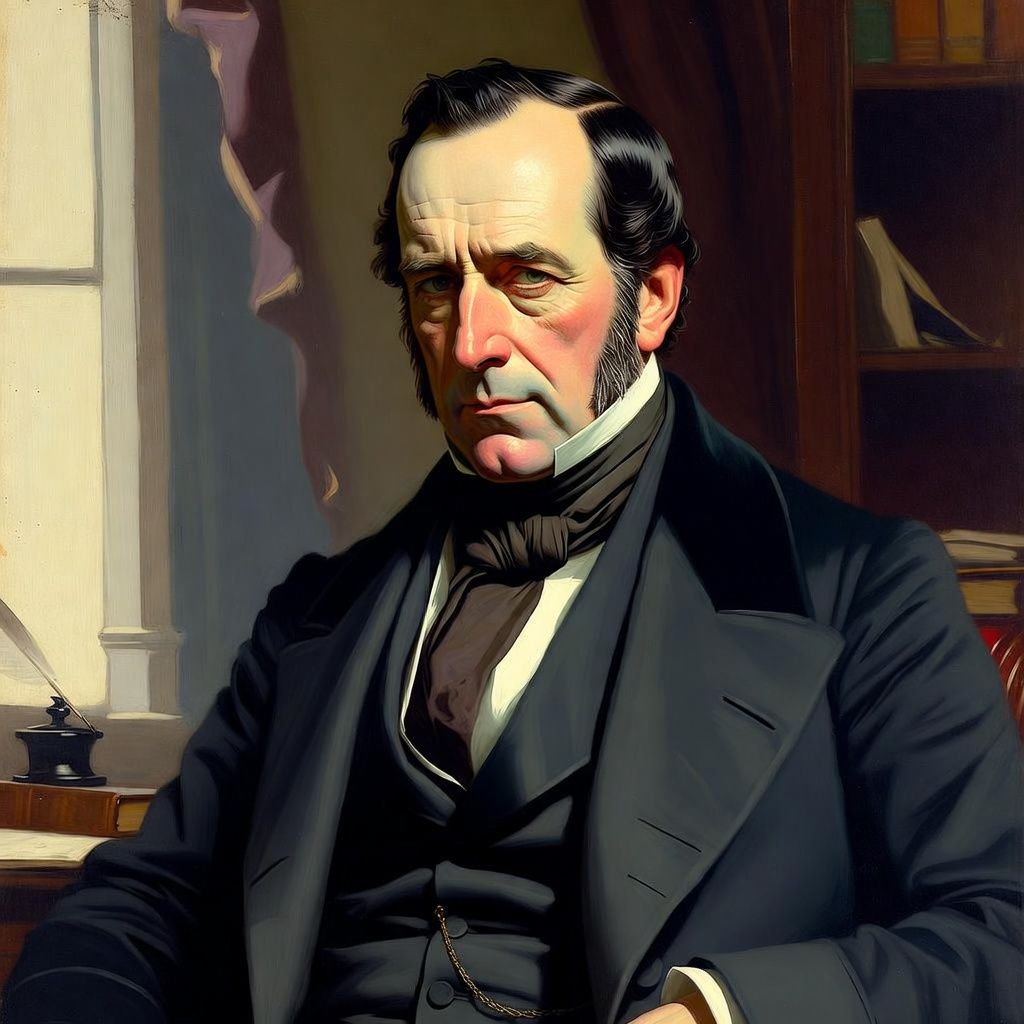
If falsehood, like truth, had but one face, we would be more on equal terms. For we would consider the contrary of what the liar said to be certain. But the opposite of truth has a hundred thousand faces and an infinite field.
About This Quote

Montaigne makes this observation in the Essays while reflecting on the nature of lying and the practical difficulty of detecting it. Writing in late‑16th‑century France amid religious conflict and political instability, he repeatedly contrasts the steadiness of truth with the protean, self-multiplying character of invention. In the essay commonly titled “Of Liars,” he notes that a liar must remember fabricated details and keep them consistent, whereas truth “hangs together” on its own. The remark belongs to Montaigne’s broader skeptical project: examining human fallibility, the unreliability of testimony, and the moral and social costs of deceit in everyday life and public affairs.
Interpretation
The quote argues that truth is singular and coherent, while falsehood is endlessly variable. If lies had a single, stable opposite, we could simply invert what a liar says and arrive at certainty; instead, any given lie could be contradicted in countless ways, leaving us with a vast space of possible alternatives and no easy route to knowledge. Montaigne thus frames deception as epistemically corrosive: it does not merely hide facts but proliferates uncertainty. The passage also implies a practical ethic—truth is easier to sustain because it is internally consistent, whereas lying demands continual invention and invites contradiction.
Source
Michel de Montaigne, Essais (Essays), Book I, chapter 9, “Des menteurs” (“Of Liars”).