Honesty doesn't always pay, but dishonesty always costs.
About This Quote
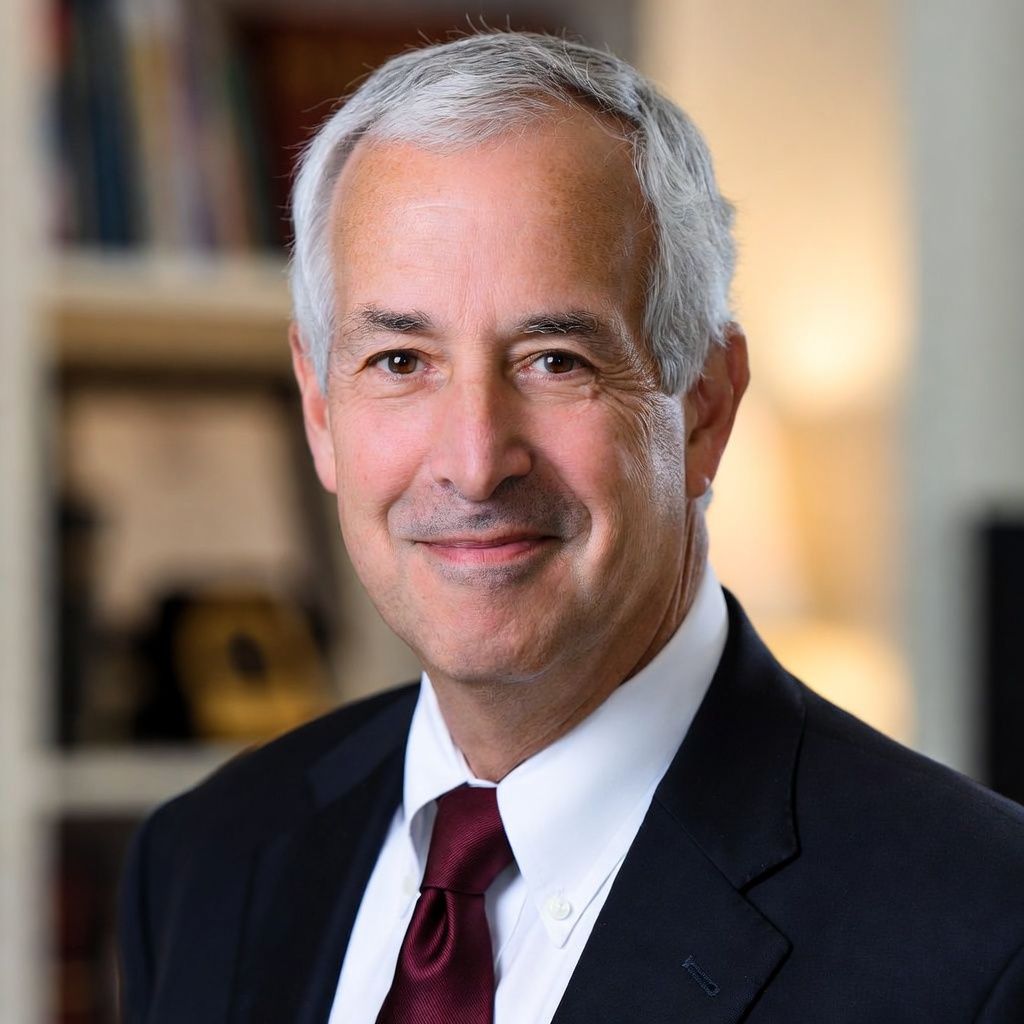
Michael Josephson (1943–2024) was an American ethicist and founder of the Josephson Institute of Ethics, widely known for practical, aphoristic guidance used in schools, business trainings, and character-education programs (e.g., “Character Counts!”). The line “Honesty doesn't always pay, but dishonesty always costs” reflects his recurring emphasis that ethical behavior should not be treated as a mere strategy for advantage, but as a commitment with intrinsic value and predictable long-term consequences. It is commonly circulated in motivational and ethics-education contexts, often attributed to Josephson in quotation collections and classroom materials rather than tied to a single, clearly cited speech or publication.
Interpretation
The quote separates short-term outcomes from long-term moral accounting. Josephson concedes a hard truth: telling the truth or acting fairly may not yield immediate rewards and can even bring setbacks. But he argues that dishonesty carries built-in costs—loss of trust, damage to reputation, legal and professional risk, and the internal erosion of character. The aphorism reframes ethics away from transactional thinking (“Does honesty pay today?”) toward a broader view of consequences and identity: integrity is not a guarantee of profit, yet deceit reliably produces liabilities that compound over time, both socially and personally.