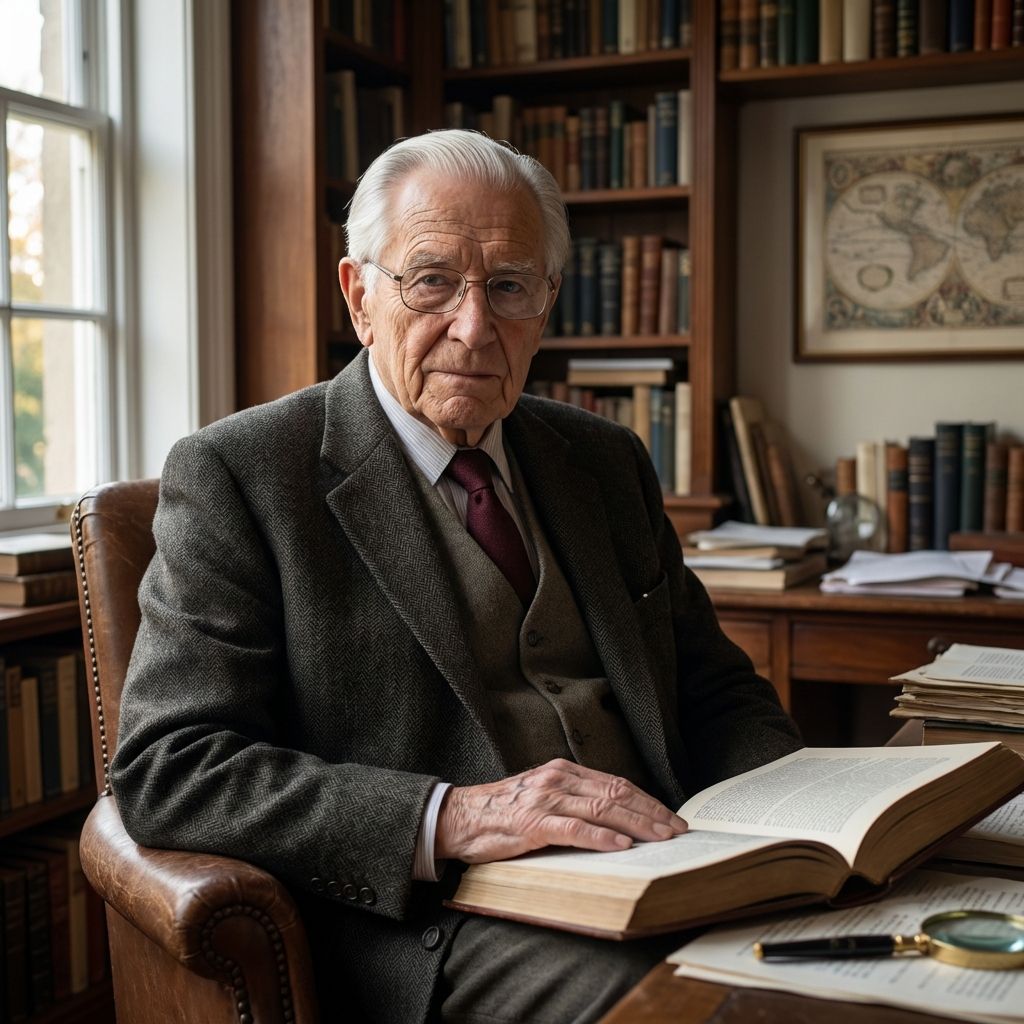
I like the streets of New York City, where I was born,
better than these streets of palms.
No doubt, my father liked his village in Ukrainia
better than the streets of New York City;
and my grandfather the city and its synagogue,
where he once read aloud the holy books,
better than the village
in which he dickered in the market-place.
better than these streets of palms.
No doubt, my father liked his village in Ukrainia
better than the streets of New York City;
and my grandfather the city and its synagogue,
where he once read aloud the holy books,
better than the village
in which he dickered in the market-place.
About This Quote
Interpretation
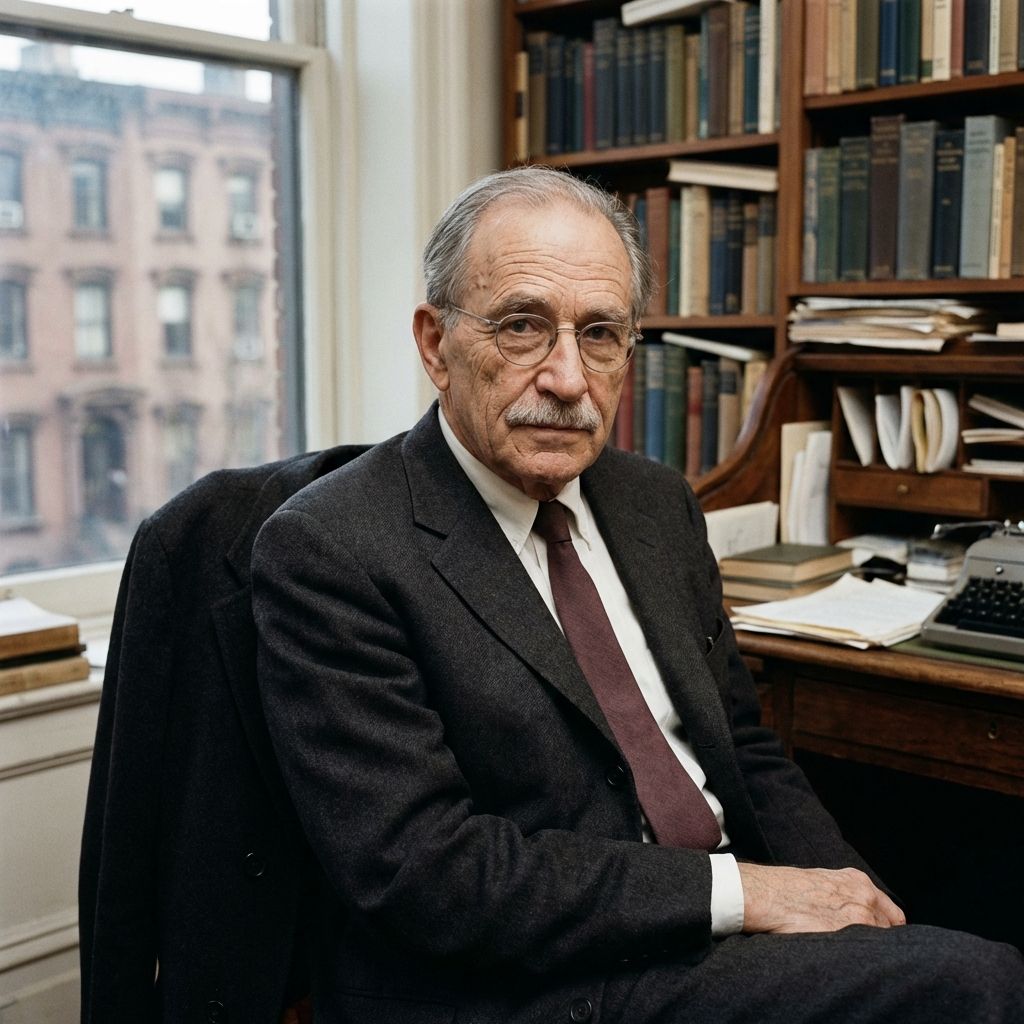
Reznikoff stages a small genealogy of attachment and displacement: each generation prefers the place of its own formative life, even as migration and economic necessity push the family onward. The speaker’s preference for New York over “streets of palms” suggests a later sojourn in a warmer, more idyllic landscape that nonetheless feels less like home than the immigrant city of birth. By extending the comparison backward—from New York to a Ukrainian village to an earlier urban Jewish world centered on synagogue and study—the poem compresses a history of Jewish movement, loss of cultural institutions, and changing livelihoods. The tone is plain and unsentimental, implying that nostalgia is not a moral failing but a recurring human response to uprooting.