Lincoln was not a type. He stands alone - no ancestors, no fellows, no successors.
About This Quote
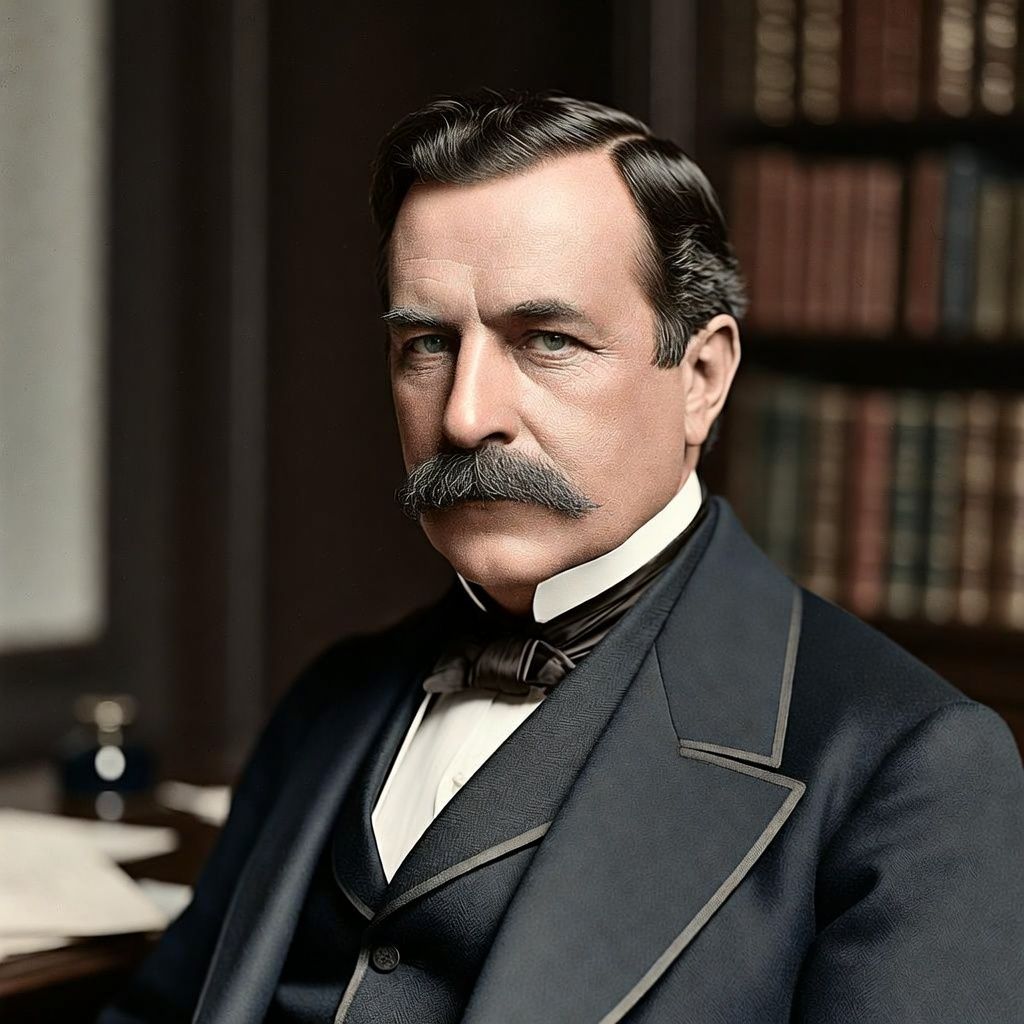
Robert G. Ingersoll—an influential American orator—delivered some of the most celebrated post–Civil War tributes to Abraham Lincoln. This line comes from his memorial address on Lincoln, composed and performed as a public lecture in the late 19th century, when Lincoln’s reputation was being consolidated into a national symbol of union, emancipation, and democratic character. Ingersoll’s aim was not to recount events so much as to elevate Lincoln’s moral and imaginative stature, presenting him as an unprecedented figure in American history whose qualities could not be explained by lineage, party, or precedent.
Interpretation
Ingersoll is insisting on Abraham Lincoln’s singularity. By saying Lincoln “was not a type,” he rejects the idea that Lincoln can be explained as a representative specimen—of a class, region, party, or historical pattern. The triad “no ancestors, no fellows, no successors” heightens the claim: Lincoln is portrayed as unprecedented, unmatched among contemporaries, and unrepeatable afterward. The line functions as eulogy and as historical argument, elevating Lincoln beyond ordinary political biography into the realm of moral and national myth. It also reflects Ingersoll’s oratorical style, using emphatic parallelism to produce a memorable, monumental verdict.