Man is made or unmade by himself. By the right choice he ascends. As a being of power, intelligence, and love, and the lord of his own thoughts, he holds the key to every situation.
About This Quote
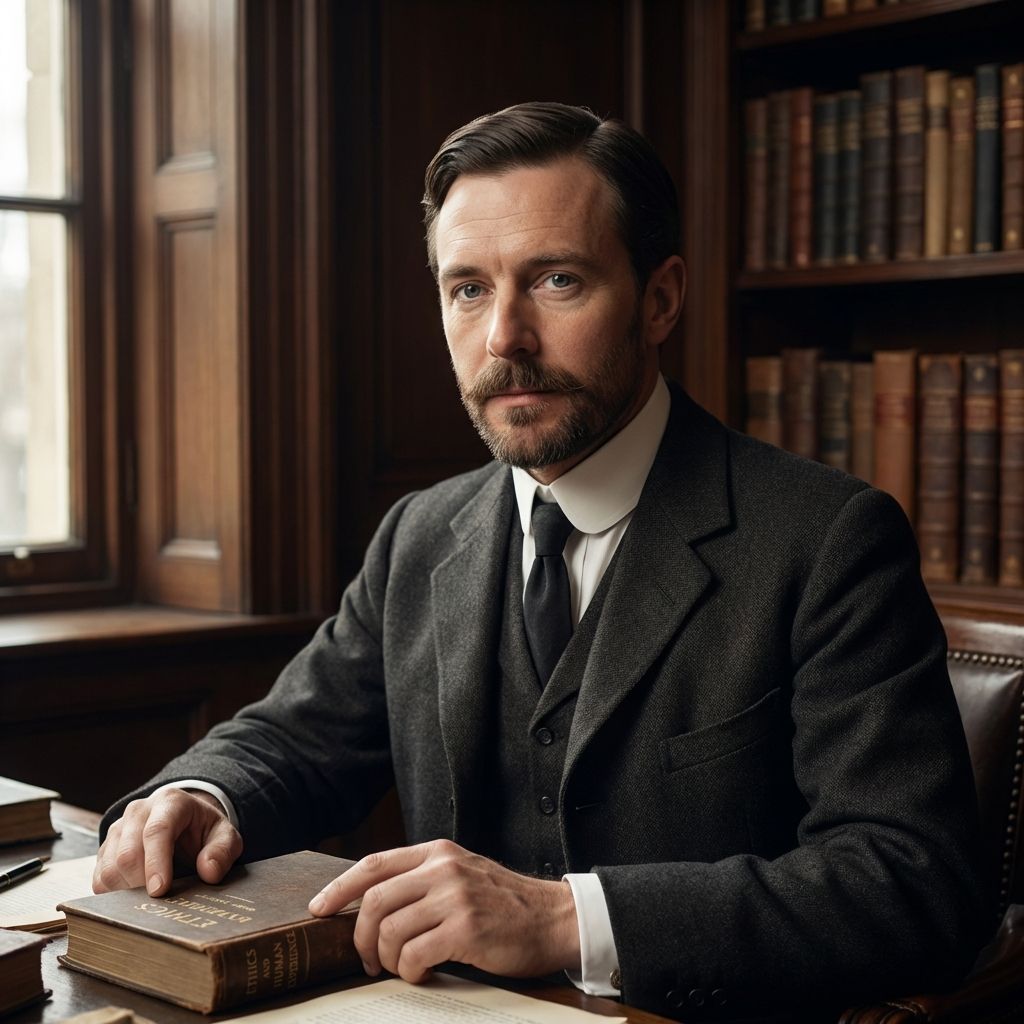
James Allen (1864–1912), a British moral philosopher associated with the early “New Thought” and self-help tradition, repeatedly argued that character and circumstance are shaped from within through habitual thinking. This passage reflects the ethical, quasi-spiritual emphasis of his short inspirational essays, written for a broad popular audience in the early 20th century. Allen’s work often addresses readers facing discouragement or adversity, urging them to treat life as a field for self-mastery: by disciplining thought and choosing rightly, one can reform conduct and thereby alter one’s destiny. The language of “lord of his own thoughts” echoes Allen’s recurring theme that inner governance precedes outer change.
Interpretation
The quote condenses Allen’s central claim that personal agency is fundamentally mental and moral. “Made or unmade” suggests that the self is not fixed but continually constructed through choices; ascent is less social climbing than ethical and spiritual development. By calling the human being a creature of “power, intelligence, and love,” Allen frames self-determination as more than willpower: it includes clear understanding and benevolent intention. The “key to every situation” is not a guarantee of control over events, but the capacity to control one’s response—thought, attitude, and action—so that circumstances become occasions for growth rather than excuses for defeat.