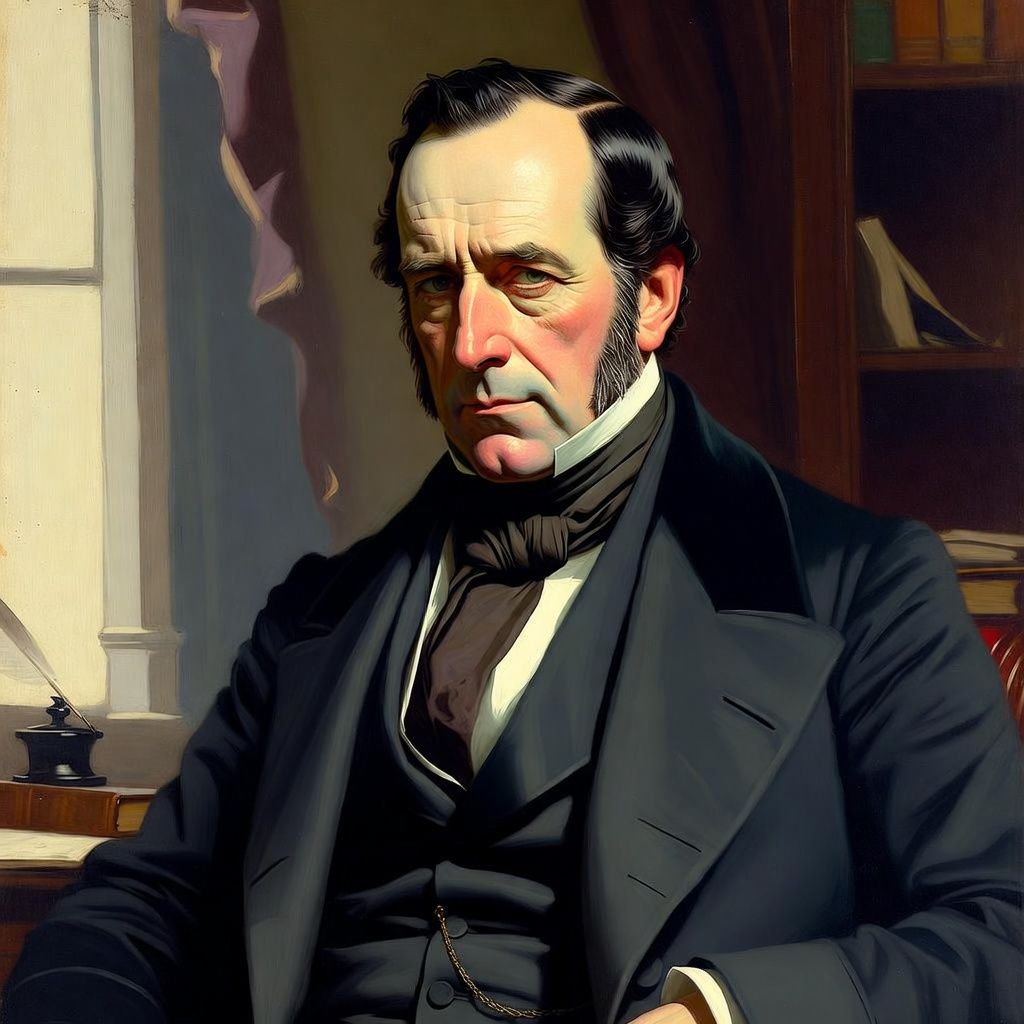
To marry is to halve your rights and double your duties.
About This Quote

Arthur Schopenhauer (1788–1860) wrote repeatedly—and often caustically—about marriage, sexuality, and the social institution of the family, reflecting both his philosophical pessimism and his personal bachelorhood. In his essays and aphoristic writings he treats marriage less as a romantic ideal than as a practical arrangement that binds the individual to obligations, dependence, and social expectations. The line is commonly quoted in English as a succinct expression of his view that marriage constrains personal freedom while increasing responsibilities. It is typically associated with his broader reflections on the conflict between individual autonomy and the demands of society and reproduction.
Interpretation
The epigram frames marriage as an asymmetrical exchange: one gives up a portion of one’s “rights” (freedom of action, independence, self-determination) while taking on additional “duties” (care, provision, fidelity, and social/legal obligations). The arithmetic metaphor (“halve…double”) is deliberately stark, suggesting that the costs are immediate and measurable, whereas the benefits are either discounted or ignored. In Schopenhauer’s pessimistic outlook, intimate bonds often entangle the will and expose one to suffering through dependence and responsibility. The quote’s enduring bite comes from its reduction of a culturally celebrated institution to a ledger of constraint and obligation.