We have met the enemy, and they are ours.
About This Quote
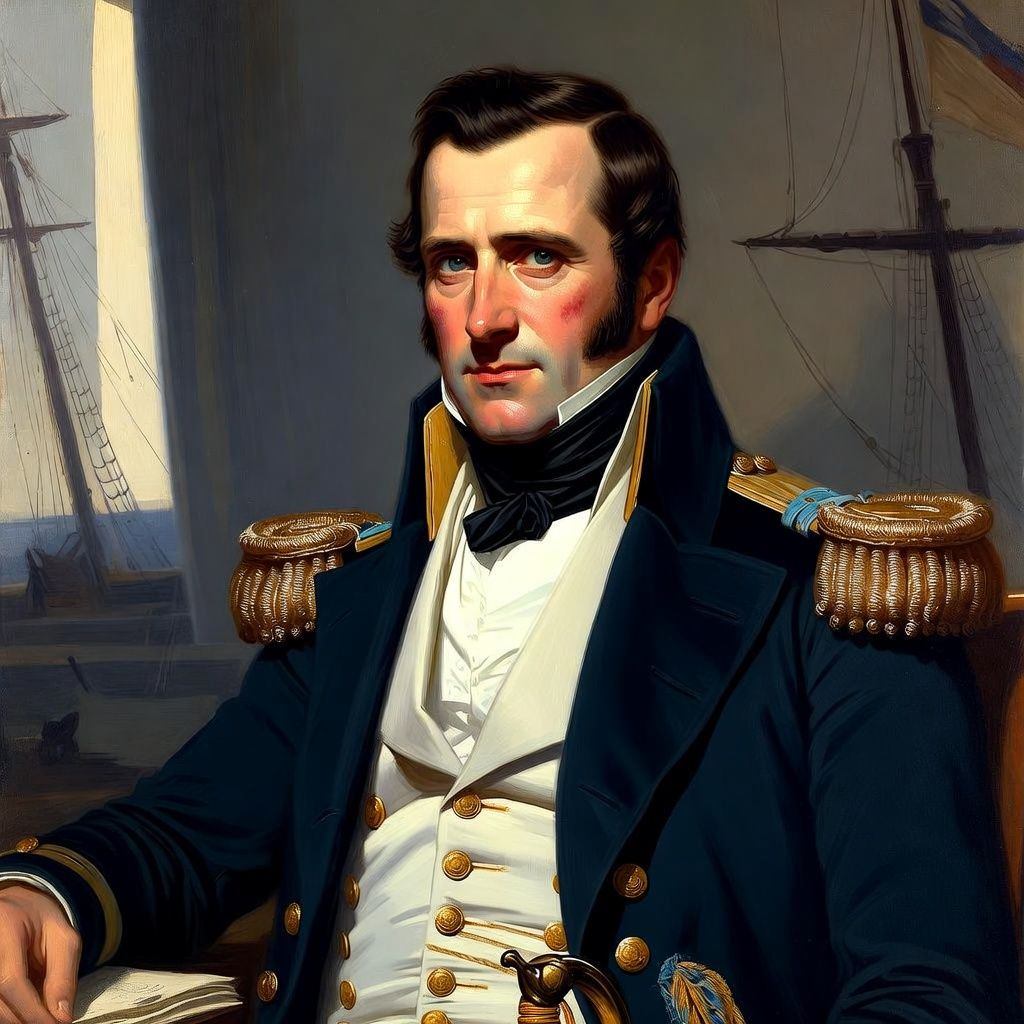
Oliver Hazard Perry wrote this line in his official dispatch reporting the U.S. naval victory over the British squadron at the Battle of Lake Erie during the War of 1812. After the engagement on 10 September 1813, Perry sent a brief note to Major General William Henry Harrison announcing the outcome and listing captured vessels. The message was meant as a rapid, unequivocal statement of success—both to inform the army commander coordinating operations in the Northwest and to bolster American morale at a pivotal moment in the war’s Great Lakes campaign.
Interpretation
The sentence is a compact declaration of total victory: the enemy has been encountered in open battle and is now in American possession. Its force comes from its plain diction and the shift from “the enemy” (an external threat) to “ours” (a claim of control), implying not only defeat but capture. In the War of 1812 context, the line signals a strategic turning point—command of Lake Erie—which enabled subsequent American operations in the region. It has endured as a model of terse military reporting and as a patriotic emblem of decisive triumph.
Source
Oliver Hazard Perry to Major General William Henry Harrison, dispatch reporting the Battle of Lake Erie, dated 10 September 1813 (often printed beginning “We have met the enemy and they are ours—two ships, two brigs, one schooner and one sloop.”).