Miniver Cheevy, born too late,
Scratched his head and kept on thinking;
Miniver coughed and called it fate,
And kept on drinking.
Scratched his head and kept on thinking;
Miniver coughed and called it fate,
And kept on drinking.
About This Quote
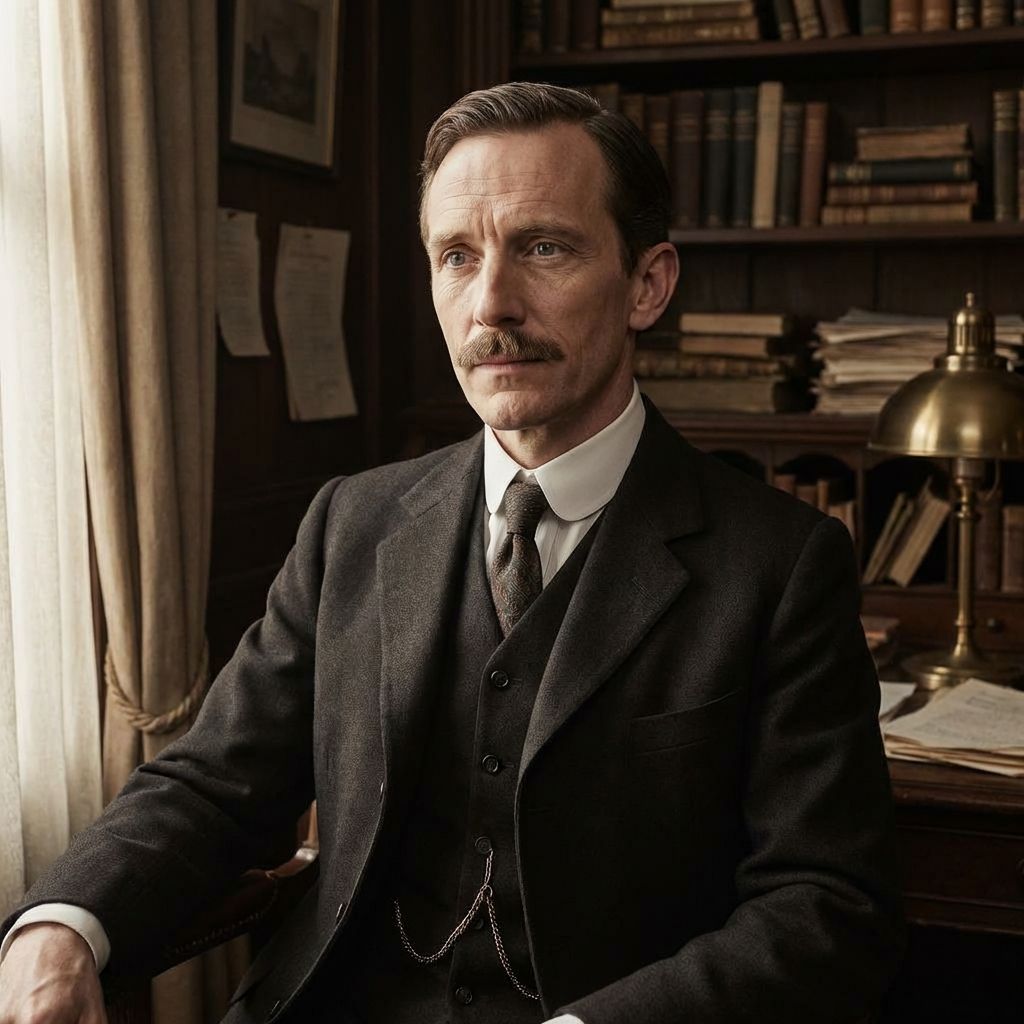
These lines open Edwin Arlington Robinson’s narrative lyric “Miniver Cheevy,” a character sketch of a man who feels misplaced in his own era and retreats into romantic fantasies of the past. Robinson, writing in the early 20th century, often portrayed small-town figures marked by frustration, self-deception, and quiet despair. The poem presents Miniver as someone who explains his dissatisfaction as “fate” and dulls it with alcohol, establishing a pattern of brooding and avoidance that the rest of the poem elaborates. The tone is wry and detached, typical of Robinson’s portraits of failed or self-sabotaging lives.
Interpretation
The passage introduces Miniver’s defining traits: a sense of belatedness (“born too late”), compulsive rumination, and a fatalistic excuse that justifies inaction. “Scratched his head” suggests puzzled, circular thinking rather than productive reflection, while “coughed and called it fate” implies a dismissive, almost performative resignation. The final line—“And kept on drinking”—turns the existential complaint into a behavioral cycle: nostalgia and self-pity become reasons to anesthetize himself instead of engaging with the present. Robinson’s irony invites readers to see Miniver’s tragedy as partly self-made, a critique of escapist romanticism and the comforts of blaming destiny.
Source
Edwin Arlington Robinson, “Miniver Cheevy,” in The Town Down the River (New York: The Macmillan Company, 1910).