
One Law for the Lion & Ox is Oppression.
About This Quote
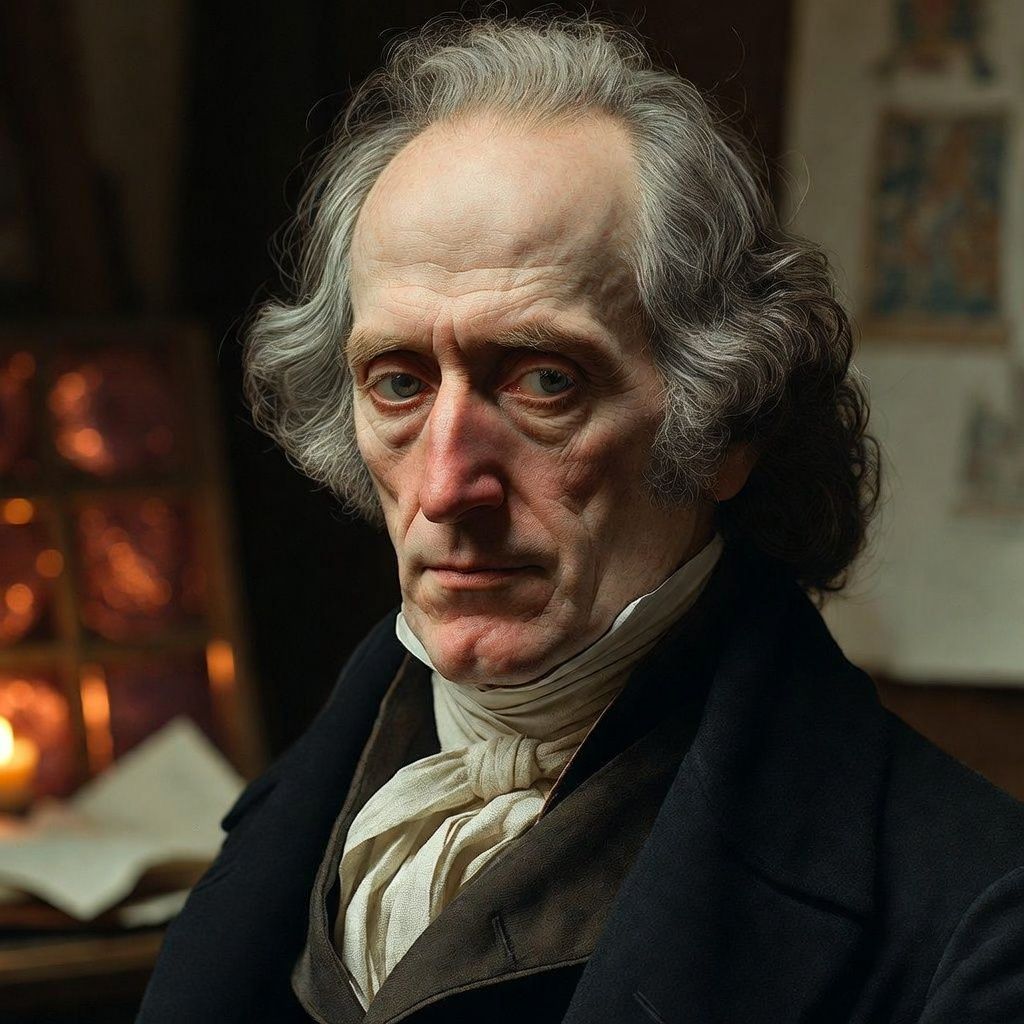
William Blake’s aphorism “One Law for the Lion & Ox is Oppression” appears among the “Proverbs of Hell,” a sequence of gnomic, paradoxical sayings in his illuminated book The Marriage of Heaven and Hell (composed c. 1790–1793). Written in the wake of the American and French Revolutions and amid fierce British debates about rights, authority, and social hierarchy, the work attacks conventional moral and religious systems that, in Blake’s view, suppress vital human energies. The proverb crystallizes Blake’s suspicion of uniform legal or moral codes imposed across radically different natures, capacities, and needs.
Interpretation
Blake argues that a single, universal rule applied to fundamentally unequal beings becomes a tool of domination. The “lion” suggests strength, appetite, and expansive energy; the “ox” suggests docility, labor, and restraint. To govern both by “one law” is to ignore difference and force one nature into the mold of another—typically by constraining the stronger or more vital to fit a system designed for the compliant. The proverb thus critiques “one-size-fits-all” morality and law as covert oppression, aligning with Blake’s broader theme that living energies and creative desire are demonized when institutional order is treated as the highest good.
Variations
“One law for the lion and ox is oppression.”
Source
William Blake, The Marriage of Heaven and Hell, “Proverbs of Hell” (composed c. 1790–1793).


