I am only one, but I am one. I cannot do everything, but I can do something. And because I cannot do everything, I will not refuse to do the something that I can do.
About This Quote
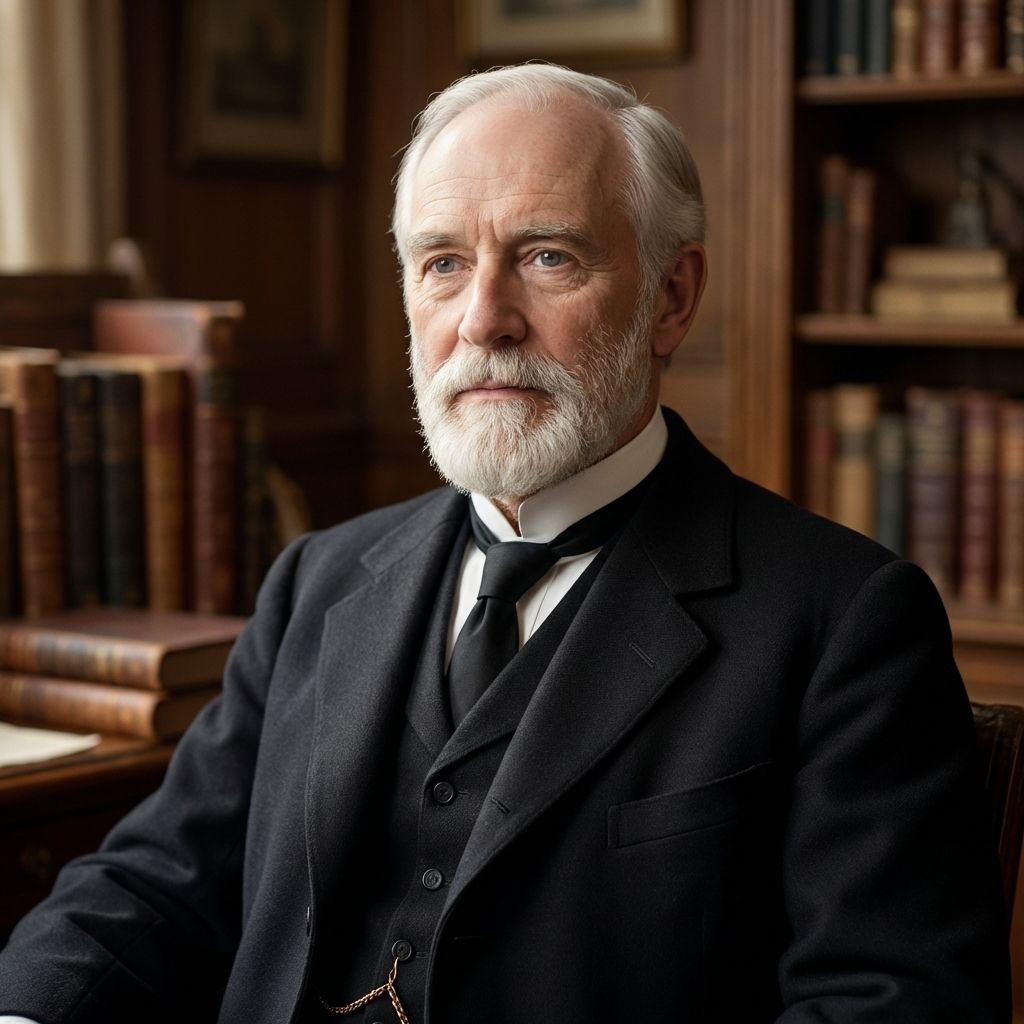
Edward Everett Hale, a Unitarian minister and prominent civic reformer, is commonly credited with this maxim as part of his encouragement of practical, individual responsibility in social and charitable work. The wording circulates widely in 20th‑century motivational and service-oriented contexts (church bulletins, philanthropy appeals, volunteer organizations), often presented as a brief creed about personal agency. However, the precise occasion on which Hale first wrote or spoke these exact sentences is difficult to pin down from memory without consulting a specific primary text or early newspaper/periodical printing; the quote is frequently reproduced without a verifiable citation.
Interpretation
The quote argues against paralysis by scale: acknowledging one’s limits is not an excuse for inaction but a reason to focus on attainable duties. Its structure moves from humility (“I am only one”) to agency (“but I am one”), then from limitation (“I cannot do everything”) to obligation (“I can do something”). The final sentence rejects the all-or-nothing mindset that treats imperfect help as worthless. Ethically, it frames responsibility as proportional and immediate: moral action is measured not by solving the whole problem but by faithfully contributing what one can. The line has endured because it offers a portable rationale for everyday altruism and civic engagement.