The past remains integral to us all, individually and collectively. We must concede the ancients their place, as I have argued. But their place is not simply back there in a separate and foreign country; it is assimilated in ourselves, and resurrected into an ever-changing present.
About This Quote
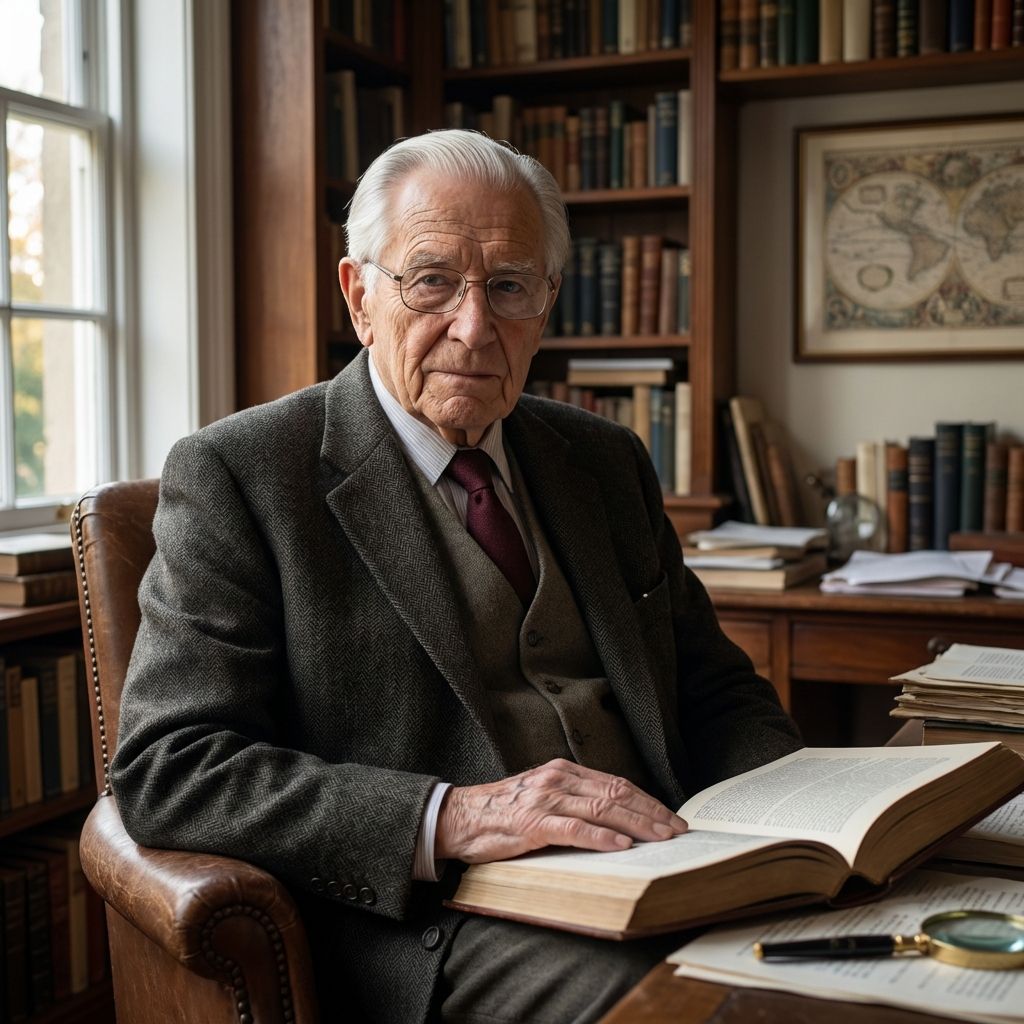
David Lowenthal (1923–2018), a leading historical geographer and heritage scholar, repeatedly argued that “the past” is not a fixed realm we simply recover but something continually reworked through memory, history-writing, and heritage practices. This quotation reflects his late‑20th‑century intervention in debates about antiquarianism, historic preservation, and the popular “foreign country” view of the past (often associated with L. P. Hartley). Lowenthal’s work stresses that modern identities—personal and national—are formed through selective inheritance and reinterpretation, so that ancient cultures are not merely studied at a distance but are continually absorbed into contemporary meanings and uses.
Interpretation
Lowenthal is insisting on a double truth: we owe the “ancients” recognition as distinct from us, yet we cannot cordon them off as wholly other. The past persists as a living component of present consciousness and collective identity, continually “resurrected” through interpretation, commemoration, and reuse. The key claim is dynamic: what we inherit is not static tradition but an “ever-changing present” in which earlier times are reassembled to meet current needs and understandings. The quote thus critiques any notion of objective, untouched access to antiquity and highlights the ethical and political stakes of how societies assimilate and mobilize the past.