Patriotism is the last refuge of a scoundrel.
About This Quote
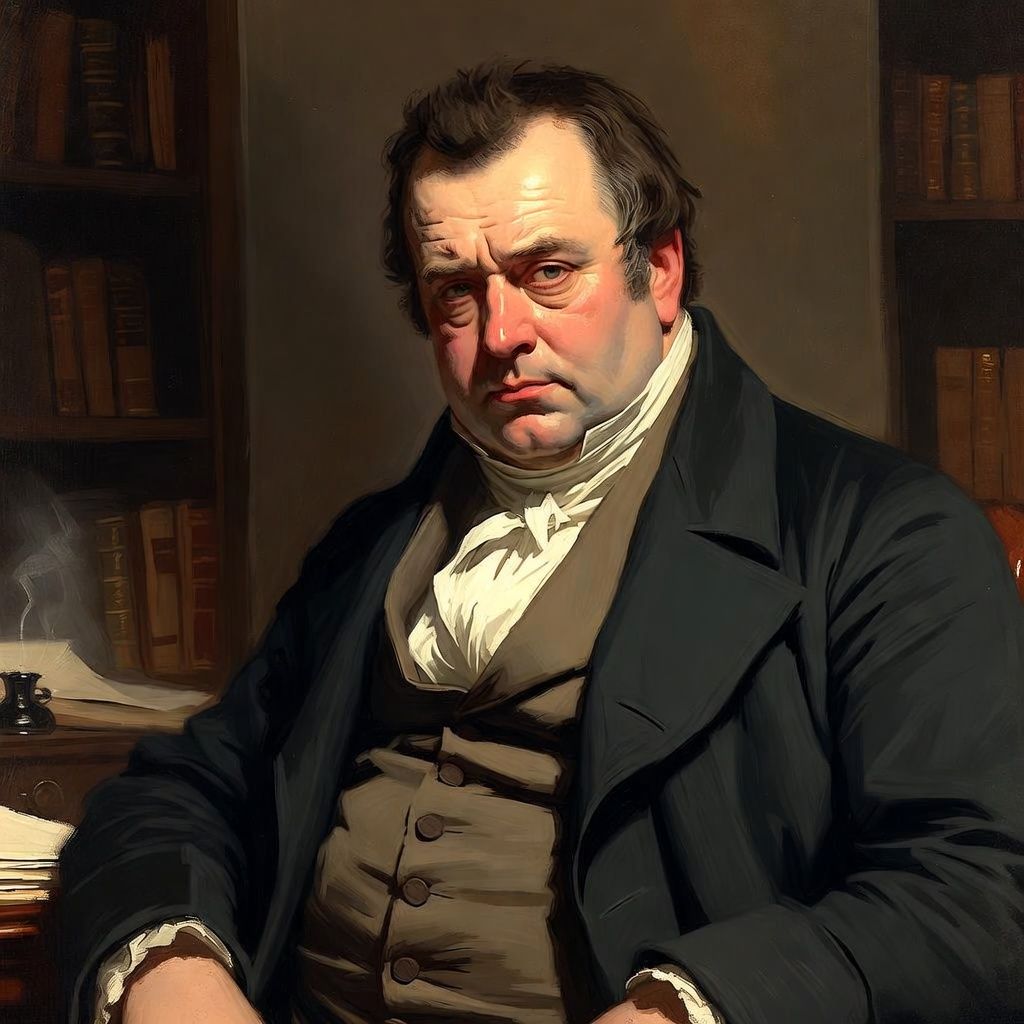
Samuel Johnson’s remark is recorded by James Boswell in connection with a conversation on 7 April 1775, during the tense months leading into the American Revolutionary War. In Britain, political factions accused opponents of insufficient loyalty, and “patriot” rhetoric was often used as a partisan weapon. Johnson, a staunch Tory who distrusted demagogic appeals, was criticizing those who cloak self-interest or misconduct in loud professions of national devotion. Boswell later clarified that Johnson did not mean all patriotism was contemptible, but rather that dishonest people may invoke it when other justifications fail.
Interpretation
The line warns that public-spirited language can be exploited as moral cover. Johnson’s “scoundrel” is not the sincere citizen who loves their country, but the opportunist who, when cornered, wraps themselves in patriotic slogans to deflect scrutiny and rally support. The aphorism remains influential because it highlights a recurring political pattern: appeals to national loyalty can short-circuit critical judgment, turning complex questions of policy or ethics into tests of allegiance. Read carefully, it is less an attack on patriotism than on its cynical, performative use as a last-ditch defense.
Variations
“Patriotism is the last refuge of the scoundrel.”
Source
James Boswell, The Life of Samuel Johnson, LL.D. (entry for 7 April 1775).