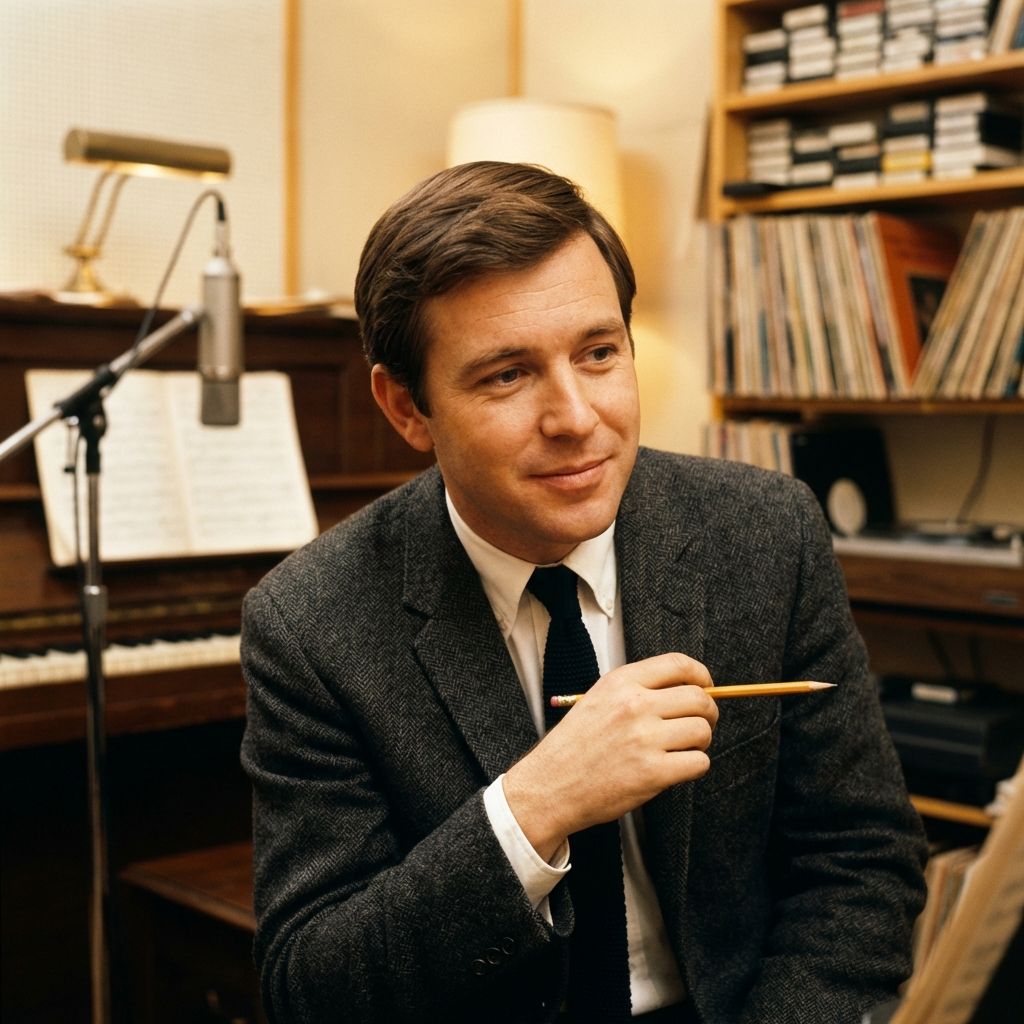
Most people assume that meditation is all about stopping thoughts, getting rid of emotions, somehow controlling the mind. But actually it's … about stepping back, seeing the thought clearly, witnessing it coming and going.
About This Quote

Andy Puddicombe, a former Buddhist monk and co-founder of the meditation app Headspace, has often framed mindfulness for Western audiences by correcting the common misconception that meditation aims to “empty the mind.” This quote reflects his typical teaching context—introducing beginners to mindfulness as a practical skill of awareness rather than mental suppression. It aligns with the way he explains meditation in popular talks and introductory materials: thoughts and emotions are expected to arise, and the practice is to relate to them differently. The emphasis on “stepping back” and “witnessing” echoes contemporary mindfulness instruction rooted in Buddhist-derived attentional training but presented in secular, accessible language.
Interpretation
The quote distinguishes control from clarity. Puddicombe argues that meditation is not a battle against thinking or feeling; it is a shift in perspective in which mental events are observed as transient phenomena. “Stepping back” suggests decentering—recognizing thoughts as experiences rather than facts or commands. By “seeing the thought clearly” and “witnessing it coming and going,” the practitioner cultivates equanimity and reduces automatic reactivity. The significance is pedagogical: it reassures novices that having thoughts is not failure, and it defines progress as improved awareness and relationship to the mind, not the absence of inner activity.