From this point onwards history becomes an organic whole: the affairs of Italy and of Africa are connected with those of Asia and of Greece, and all events bear a relationship and contribute to a single end.
About This Quote
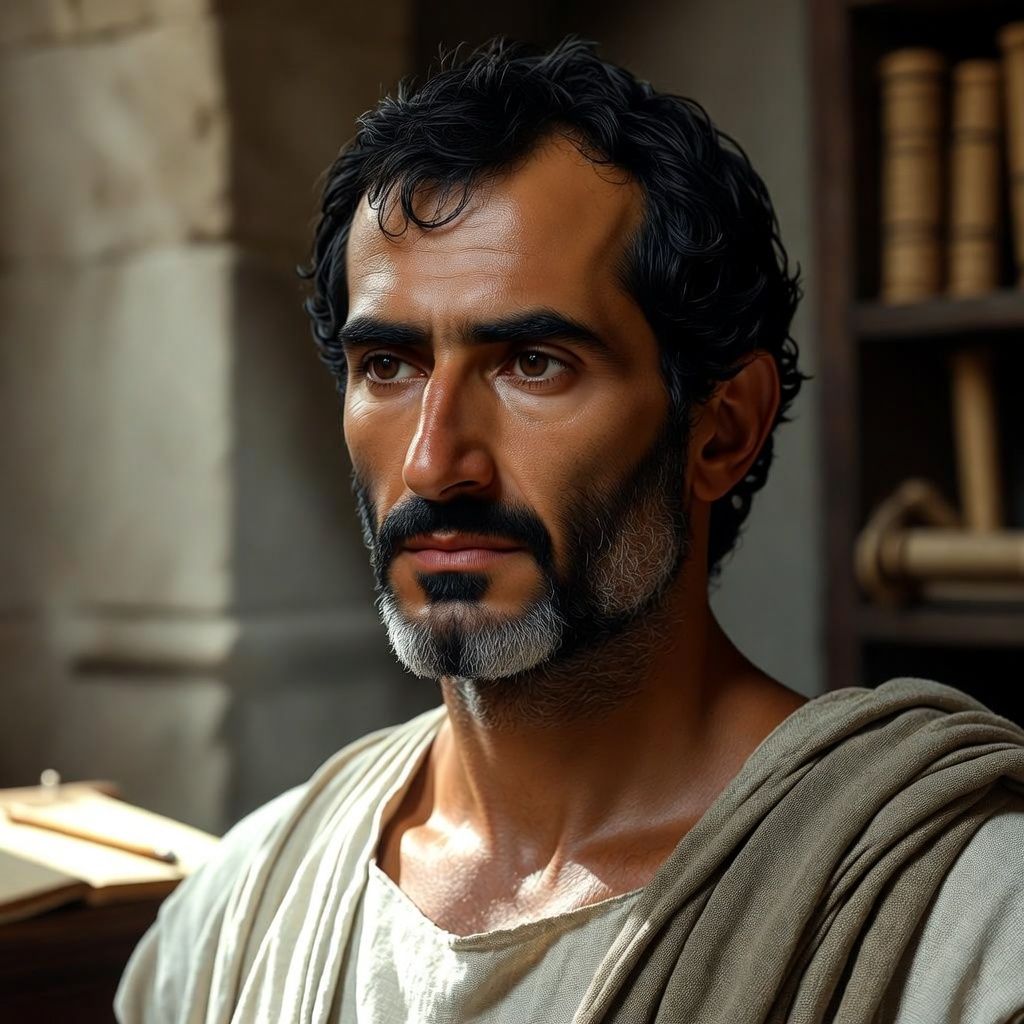
Polybius (c. 200–118 BCE), a Greek statesman and historian, wrote his Histories to explain how Rome came to dominate the Mediterranean world. In his programmatic remarks early in the work, he argues that after a decisive turning point—associated with Rome’s expansion and the interlocking wars of the third and second centuries BCE—events across previously separate regions can no longer be narrated in isolation. Italy, Africa, Greece, and Asia become parts of one connected story because Roman power and diplomacy increasingly link conflicts and outcomes across the whole oikoumene (inhabited world). The statement frames Polybius’ method: a “universal history” tracing causes, connections, and consequences across regions.
Interpretation
The quote asserts a shift from local or regional chronicle to “universal” history: once a hegemonic power (for Polybius, Rome) binds the Mediterranean together, events form an “organic whole” in which actions in one place reverberate elsewhere. Polybius is also making a methodological claim about explanation. To understand outcomes, the historian must track causal chains across borders—alliances, wars, economic pressures, and political decisions that converge toward a “single end,” namely the emergence of Roman supremacy. The image of organic unity emphasizes interdependence and coherence, suggesting that history has structure and intelligible patterns rather than being a mere sequence of disconnected episodes.