The power of the people is much stronger than the people in power.
About This Quote
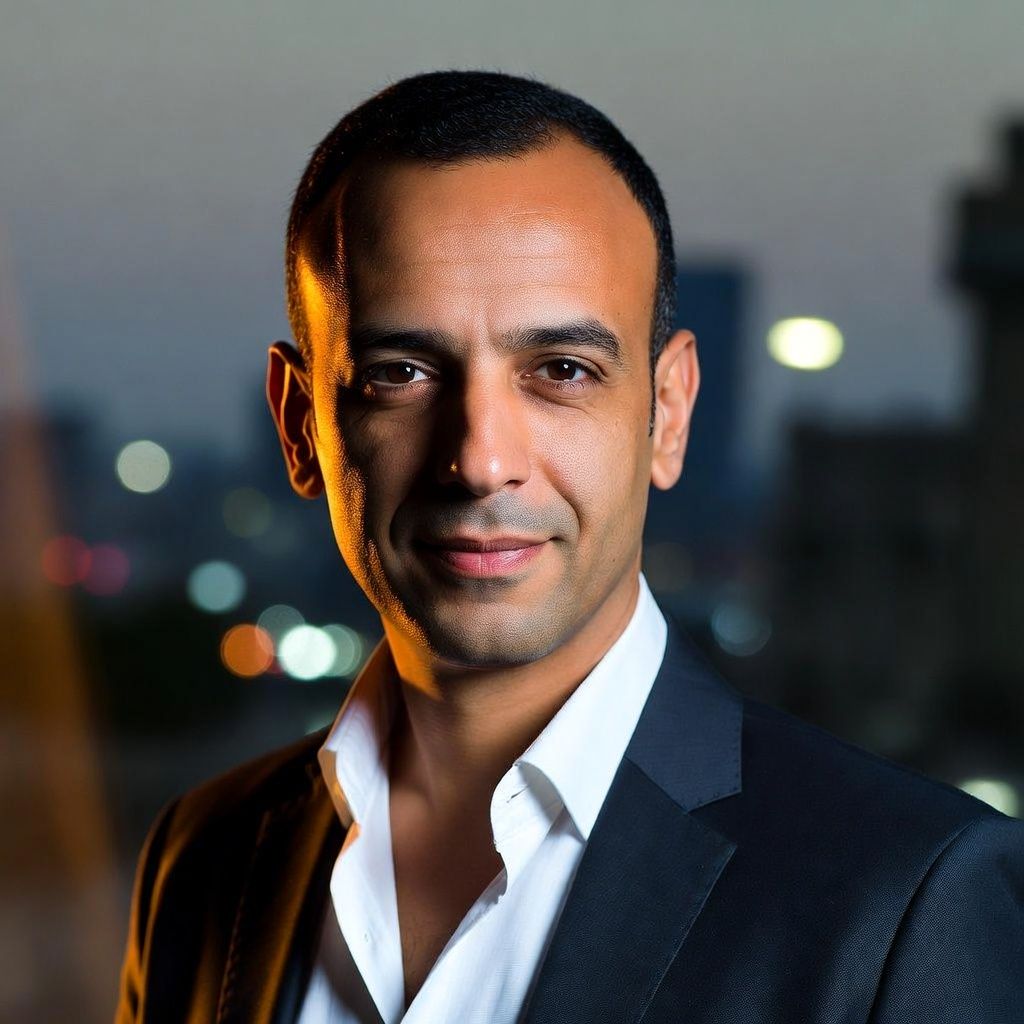
Wael Ghonim became an international symbol of Egypt’s 2011 uprising after helping catalyze online mobilization against Hosni Mubarak’s regime and then being detained by security forces. The line is widely associated with his public remarks during and immediately after the mass protests in Cairo’s Tahrir Square, when demonstrators emphasized that collective civic action could outweigh the coercive power of the state. In that atmosphere—marked by strikes, street demonstrations, and a rapidly shifting media narrative—the quote functions as a succinct statement of the revolution’s core claim: legitimacy and durable power ultimately rest with the populace rather than officeholders.
Interpretation
The line contrasts formal authority (“people in power”) with popular sovereignty (“power of the people”). It argues that coercive institutions and officeholders can appear dominant, but their strength is contingent: when citizens act together—through protest, solidarity, and shared narratives—they can outweigh the regime’s control. The phrasing also implies a moral hierarchy: power derived from the public is more legitimate than power held over the public. In the context of nonviolent mass movements, the quote functions as encouragement, reframing fear and resignation into agency by insisting that collective participation can erode even seemingly immovable political structures.