Someone spoke of your death, Heraclitus. It brought me
Tears, and I remembered how often together
We ran the sun down with talk… somewhere
You’ve long been dust, my Halicarnassian friend.
But your Nightingales live on. Though the Death-world
Claws at everything, it will not touch them.
Tears, and I remembered how often together
We ran the sun down with talk… somewhere
You’ve long been dust, my Halicarnassian friend.
But your Nightingales live on. Though the Death-world
Claws at everything, it will not touch them.
About This Quote
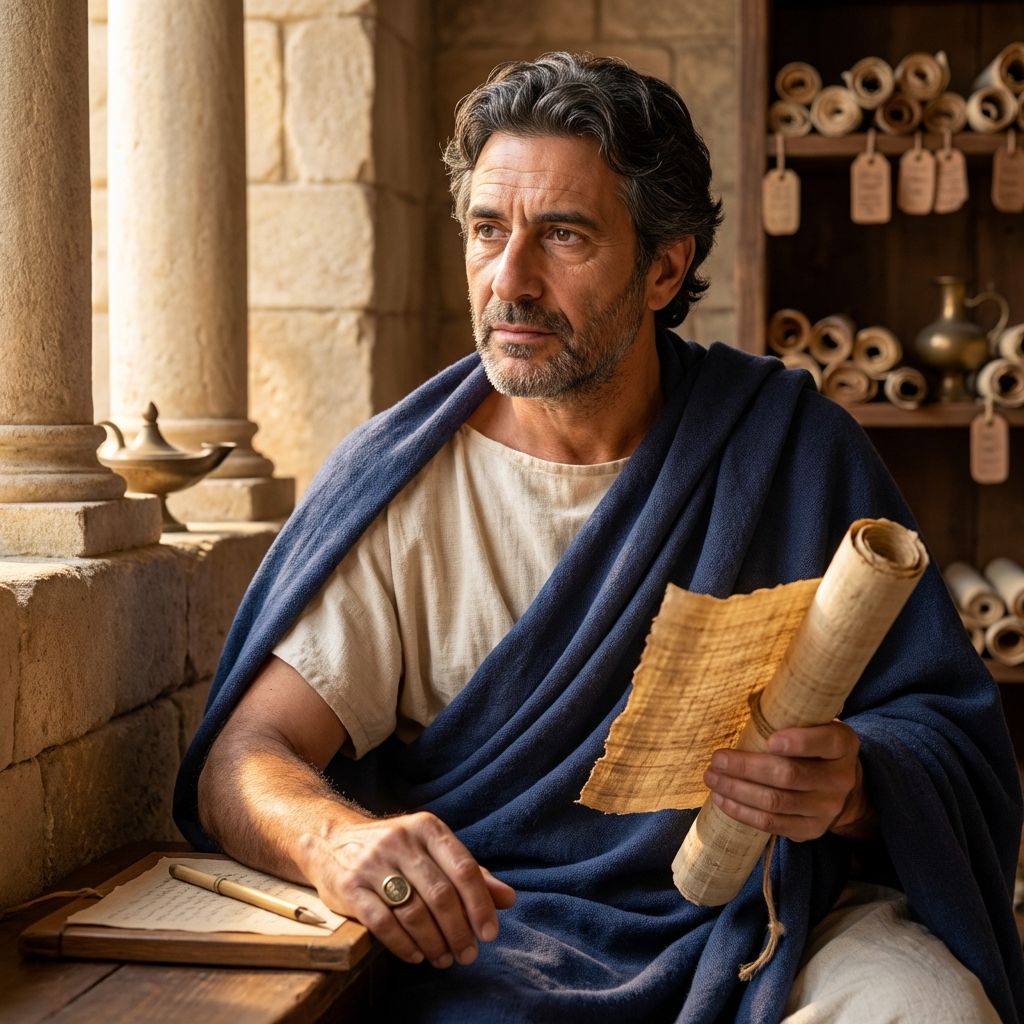
These lines are from an epigram by the Hellenistic poet-scholar Callimachus (3rd century BCE), active at Alexandria under the Ptolemies. The speaker addresses “Heraclitus” of Halicarnassus—generally identified as a poet-friend (not the pre-Socratic philosopher of Ephesus). The poem is occasioned by hearing news of Heraclitus’ death and recalls their past companionship (“we ran the sun down with talk”). Callimachus then contrasts the friend’s physical mortality (“you’ve long been dust”) with the survival of his poetry, specifically a book or set of poems titled *Nightingales*, which continues to “live on” despite death’s power over all else.
Interpretation
The epigram is both elegy and manifesto: it mourns a friend while asserting poetry’s capacity to outlast the body. The intimacy of remembered conversation (“ran the sun down”) makes the loss personal, but the turn to the *Nightingales* shifts the poem toward literary immortality—art as a kind of afterlife. The “Death-world” that “claws at everything” evokes the universal reach of decay and oblivion, yet the claim that it “will not touch” the poems expresses a Hellenistic confidence in crafted verse as durable cultural memory. Callimachus also subtly honors his friend by naming his work, preserving both author and title within a new poem.
Source
Callimachus, Epigram on the death of Heraclitus of Halicarnassus (Greek Anthology, Palatine Anthology 7.80).