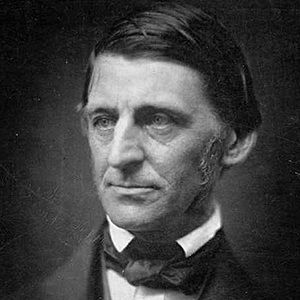
Tomb, thou shalt not hold Him longer;
Death is strong, but Life is stronger;
Stronger than the dark, the light;
Stronger than the wrong, the right...
About This Quote
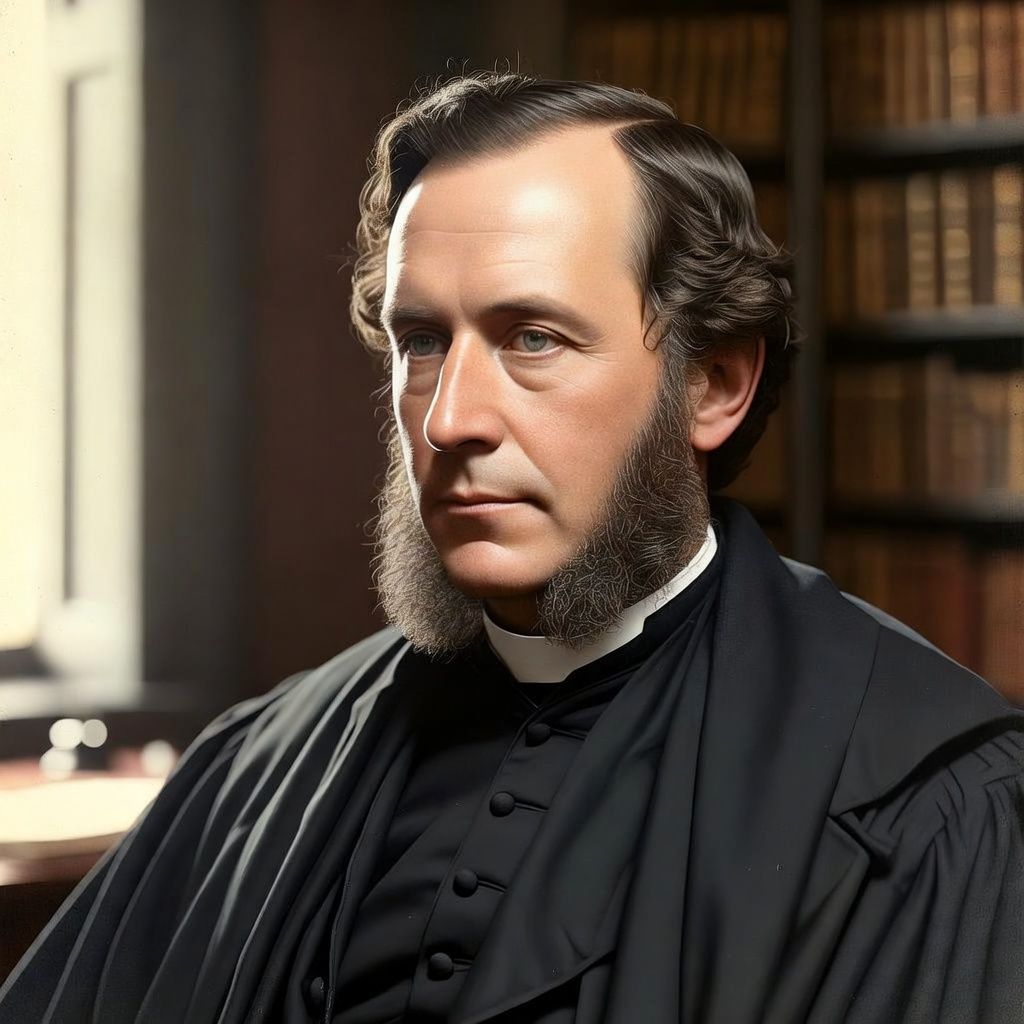
These lines come from Phillips Brooks’s Easter hymn “Tomb, Thou Shalt Not Hold Him Longer,” written for Christian worship in celebration of the Resurrection. Brooks, an Episcopal priest and prominent preacher, composed a number of hymns for congregational singing; this text belongs to the late-19th-century American Protestant tradition of Easter hymnody that emphasizes triumph over death and the moral victory of Christ’s rising. The quoted stanza functions as a liturgical proclamation—addressing the tomb and death directly—intended to be sung in church services during Eastertide as a communal affirmation of hope and renewal.
Interpretation
The passage frames the Resurrection as a cosmic reversal: the tomb cannot “hold” Christ, because death’s apparent power is ultimately subordinate to divine life. Brooks extends the Easter claim into a series of moral contrasts—dark/light, wrong/right—implying that resurrection hope is not merely consolation about the afterlife but a principle that should animate ethical confidence in the world. The repeated “Stronger than…” turns theology into proclamation: evil and suffering are real (“Death is strong”), yet they are not final. The ellipsis invites continuation, reinforcing the sense of an ongoing, lived triumph rather than a closed argument.