At the violet hour, when the eyes and back
Turn upward from the desk, when the human engine waits
Like a taxi throbbing waiting,
I Tiresias, though blind, throbbing between two lives.
Turn upward from the desk, when the human engine waits
Like a taxi throbbing waiting,
I Tiresias, though blind, throbbing between two lives.
About This Quote
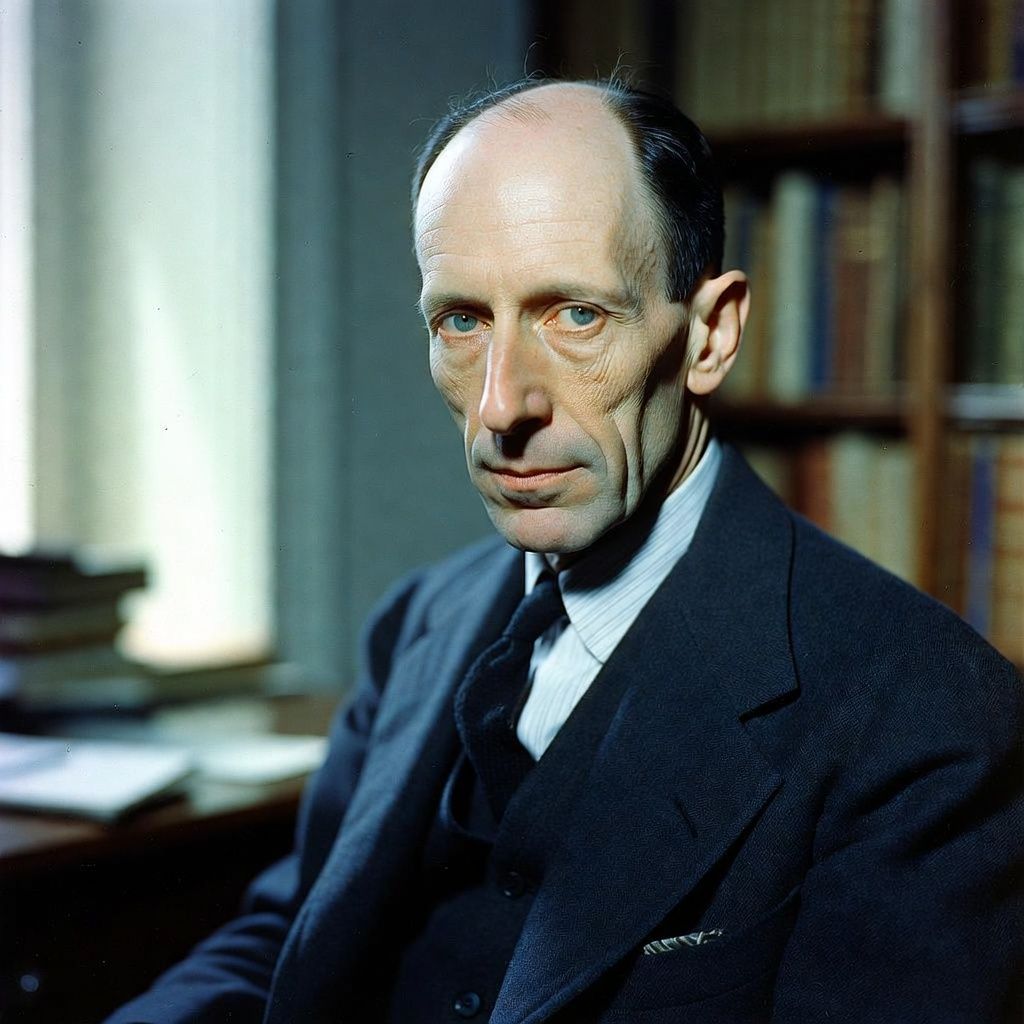
These lines come from Part III (“The Fire Sermon”) of T. S. Eliot’s modernist poem The Waste Land (first published in 1922). The passage evokes the end of the workday—Eliot’s “violet hour”—in a mechanized, exhausted postwar city. The speaker shifts into Tiresias, the blind prophet of Greek myth who has lived as both man and woman, whom Eliot (in his notes to the poem) presents as a unifying consciousness for the poem’s disparate scenes. In this section, Tiresias observes a bleak, sexually joyless encounter, using urban imagery (“human engine,” “taxi”) to register spiritual fatigue and moral desolation.
Interpretation
The “violet hour” marks a liminal time between day and night, work and private life, suggesting transition but also depletion. Eliot’s metaphor of the “human engine” reduces people to machines that idle and wait, implying modern life has become mechanical and drained of meaning. By introducing Tiresias—“throbbing between two lives”—Eliot invokes a witness who spans genders, eras, and experiences, capable of seeing the recurring patterns of desire and emptiness beneath contemporary surfaces. The repeated “throbbing” links the city’s machinery to bodily impulse, hinting that modern sexuality and modern industry share the same restless, impersonal rhythm.
Source
T. S. Eliot, The Waste Land, Part III: “The Fire Sermon” (first published in The Criterion, October 1922).