Word is a shadow of deed.
About This Quote
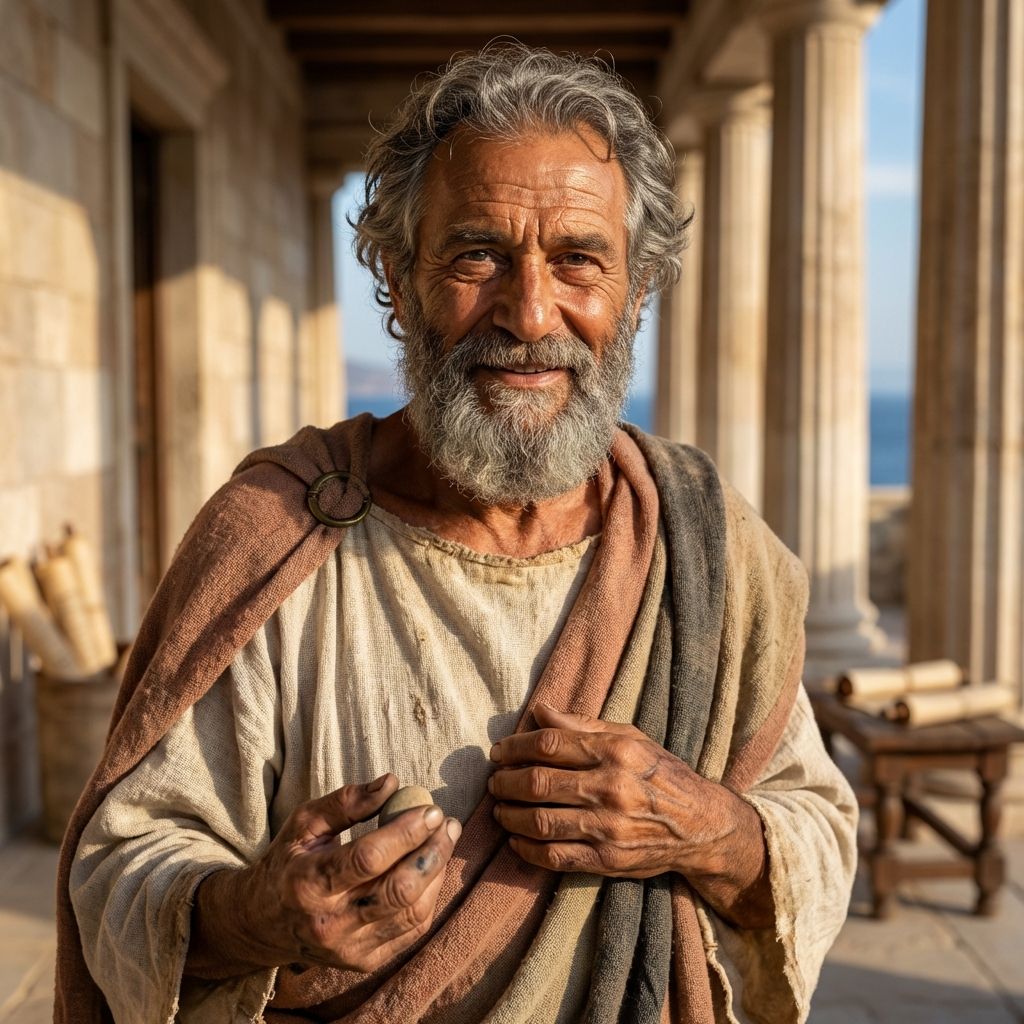
Democritus of Abdera (c. 460–370 BCE), best known for developing an early atomist philosophy, also left a large body of ethical maxims. Most of his writings survive only in fragments quoted by later authors and collected in modern editions. The saying “Word is a shadow of deed” belongs to this gnomological tradition: brief, pointed sentences meant to guide conduct. In the competitive public culture of classical Greece—where reputation could be made by speech in assemblies and courts—such maxims often stress that moral worth is proven by actions rather than rhetoric. The fragment is typically transmitted in later anthologies of Democritean sayings rather than in a continuous original work.
Interpretation
The aphorism asserts the secondary status of speech relative to action. Words can gesture toward intentions, values, or promises, but they are only an insubstantial “shadow” cast by what one actually does. The image implies both dependence and unreliability: a shadow follows a body but can distort its shape, just as talk can accompany deeds yet exaggerate, conceal, or misrepresent them. Ethically, the line urges integrity—aligning speech with conduct—and warns against empty eloquence. It also suggests an epistemic point: to judge character or truth, look to observable practice rather than persuasive language.