
So on we worked, and waited for the light,
And went without the meat, and cursed the bread;
And Richard Cory, one calm summer night,
Went home and put a bullet through his head.
And went without the meat, and cursed the bread;
And Richard Cory, one calm summer night,
Went home and put a bullet through his head.
About This Quote
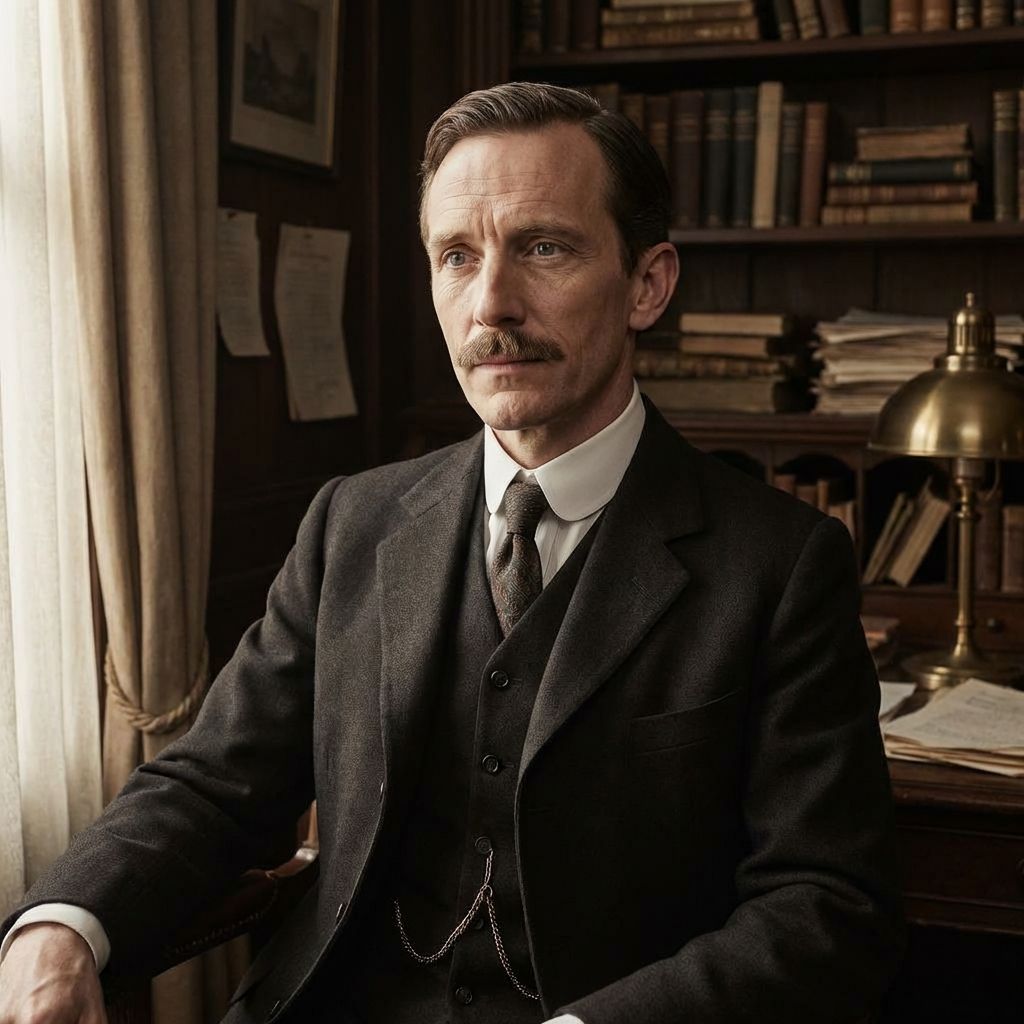
These lines are the closing quatrain of Edwin Arlington Robinson’s narrative poem “Richard Cory,” first published in the 1890s and later collected in his early volume The Children of the Night. The poem is voiced by a communal “we”—townspeople who watch the impeccably dressed, seemingly enviable Richard Cory move through their streets. While the speakers describe their own economic hardship and resentment (“went without the meat”), they also idealize Cory as the embodiment of wealth, grace, and ease. The abrupt final revelation—Cory’s suicide “one calm summer night”—reframes the townspeople’s assumptions and delivers the poem’s famous shock ending.
Interpretation
The ending exposes the gulf between outward appearance and inner life. The townspeople equate visible prosperity with happiness, even as their own deprivation breeds bitterness; Cory becomes a screen for their fantasies of what a “successful” life must feel like. The calmness of the night and the plain diction of the suicide line intensify the irony: nothing in Cory’s public image prepares the community (or reader) for despair. Robinson’s turn suggests that social admiration can be profoundly ignorant, and that wealth and refinement do not immunize a person against loneliness, depression, or existential emptiness. The poem also critiques class envy by showing how it simplifies other people into symbols rather than complex human beings.
Source
Edwin Arlington Robinson, “Richard Cory,” in The Children of the Night (New York: Richard Watson Gilder / Charles Scribner’s Sons, 1897).


