A world community can exist only with world communication, which means something more than extensive short-wave facilities scattered about the globe. It means common understanding, a common tradition, common ideas, and common ideals.
About This Quote
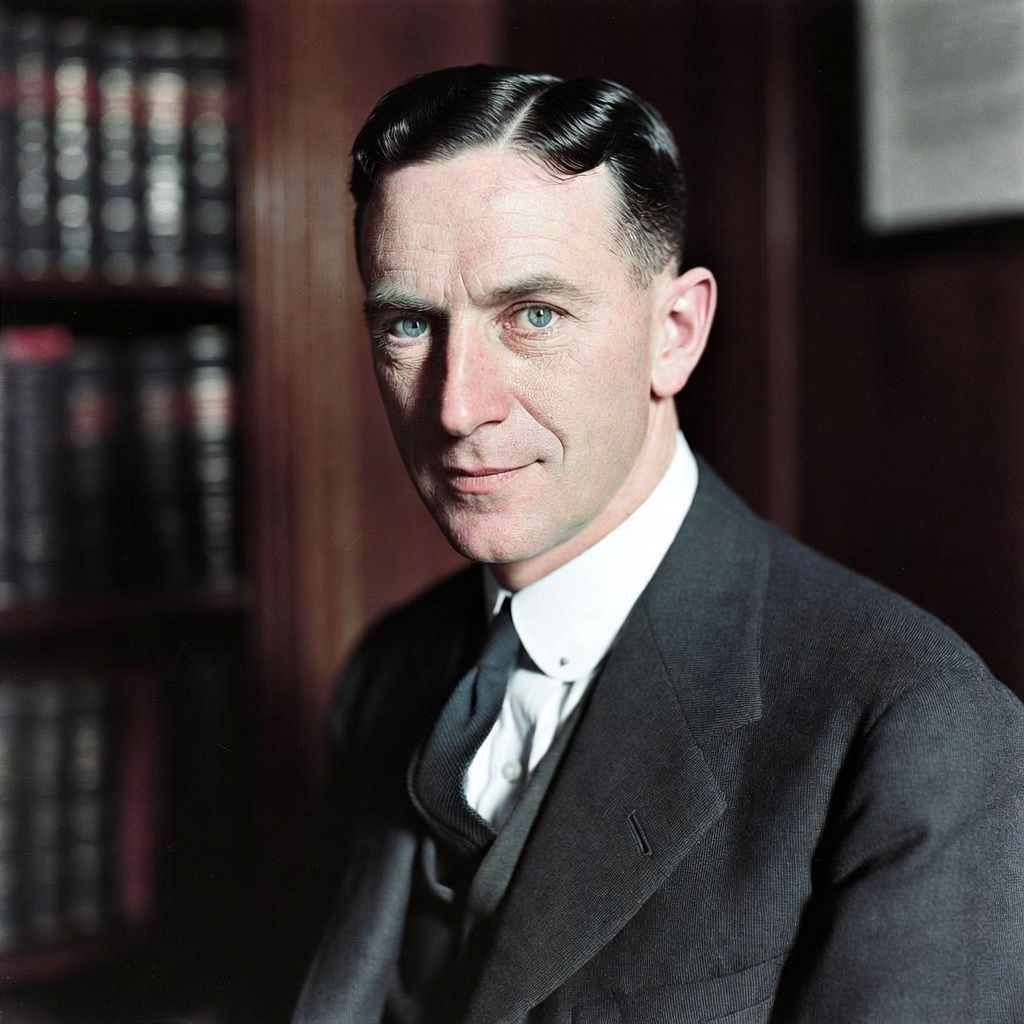
Interpretation
Hutchins distinguishes mere technical connectivity from genuine communication. Short-wave transmitters and global broadcasting can spread messages, but they do not by themselves create the shared meanings that make political and moral cooperation possible. For a “world community” to exist, he argues, people must develop overlapping traditions, ideas, and ideals—an intellectual and ethical common ground that enables mutual recognition and coordinated action. The quote reflects a mid-20th-century concern that new mass media and international institutions would fail without education, cultural exchange, and a shared commitment to universal principles. It is also consistent with Hutchins’s broader emphasis on liberal education and the formation of a common culture as prerequisites for democratic life.