You’re walking by the tomb of Battiades,
Who knew well how to write poetry, and enjoy
Laughter at the right moment, over the wine.
Who knew well how to write poetry, and enjoy
Laughter at the right moment, over the wine.
About This Quote
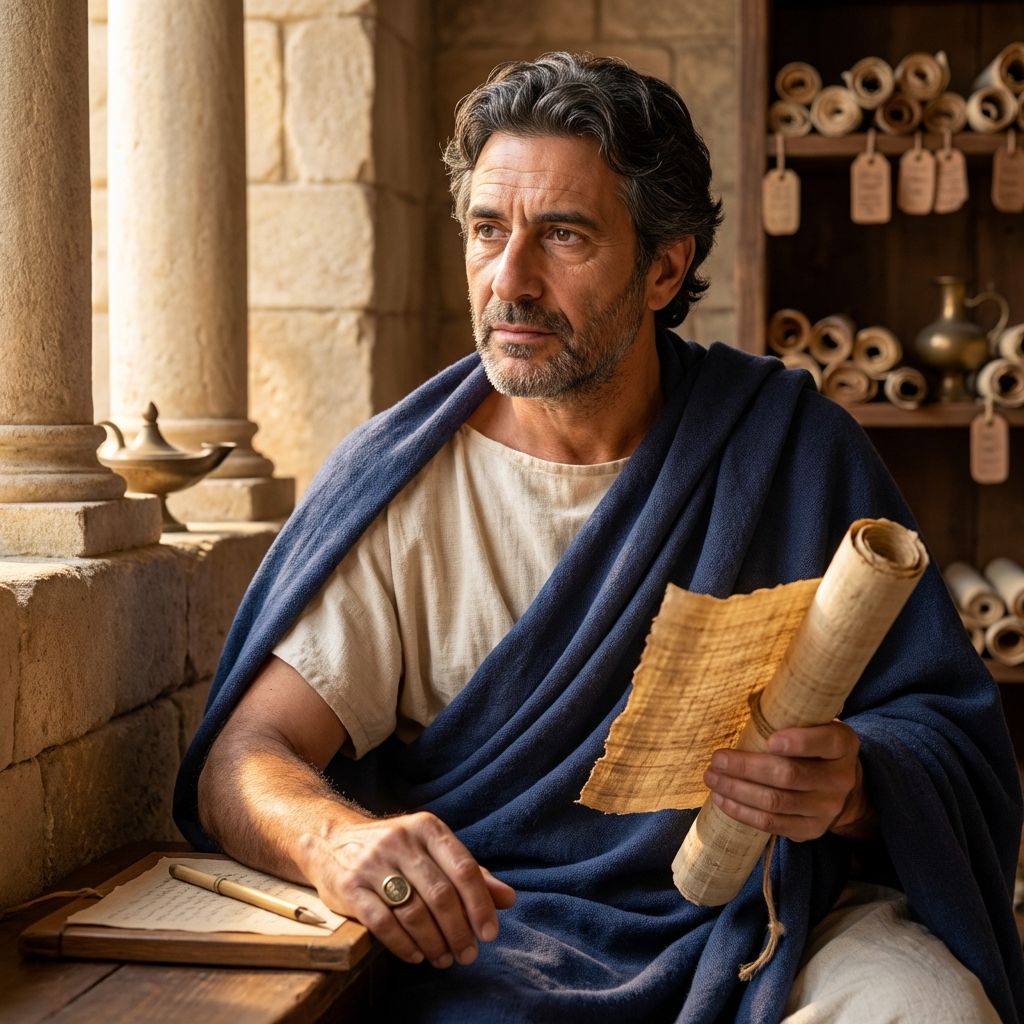
These lines are presented as a sepulchral epigram in the Hellenistic tradition, spoken to a passerby who is “walking by” a tomb. Callimachus (3rd century BCE), scholar-poet of Alexandria associated with the Library, wrote many short, polished epigrams that often adopt the voice of an inscription. “Battiades” is a patronymic identifying Callimachus himself as the descendant of Battus (a Cyrenean lineage), so the “tomb of Battiades” functions as a self-epitaph: a compact, crafted memorial that advertises the poet’s art and temperament. The setting evokes the conventional epigrammatic scene—brief encounter, moral or character sketch, and a claim to posthumous remembrance.
Interpretation
The lines offer a compact self-epitaph: the dead poet is remembered not only for writing well but for knowing how to live well. “How to write poetry” points to Callimachus’s ideal of refined, artful composition—skill, judgment, and control rather than sheer bulk. The second trait, “laughter at the right moment, over the wine,” evokes sympotic culture and suggests social intelligence: wit that is measured, appropriate, and shared in community. Together, the virtues balance seriousness and pleasure, art and conviviality. The tomb becomes a final stage for reputation, presenting poetic excellence as inseparable from a humane temperament—an identity crafted as carefully as the poetry itself.