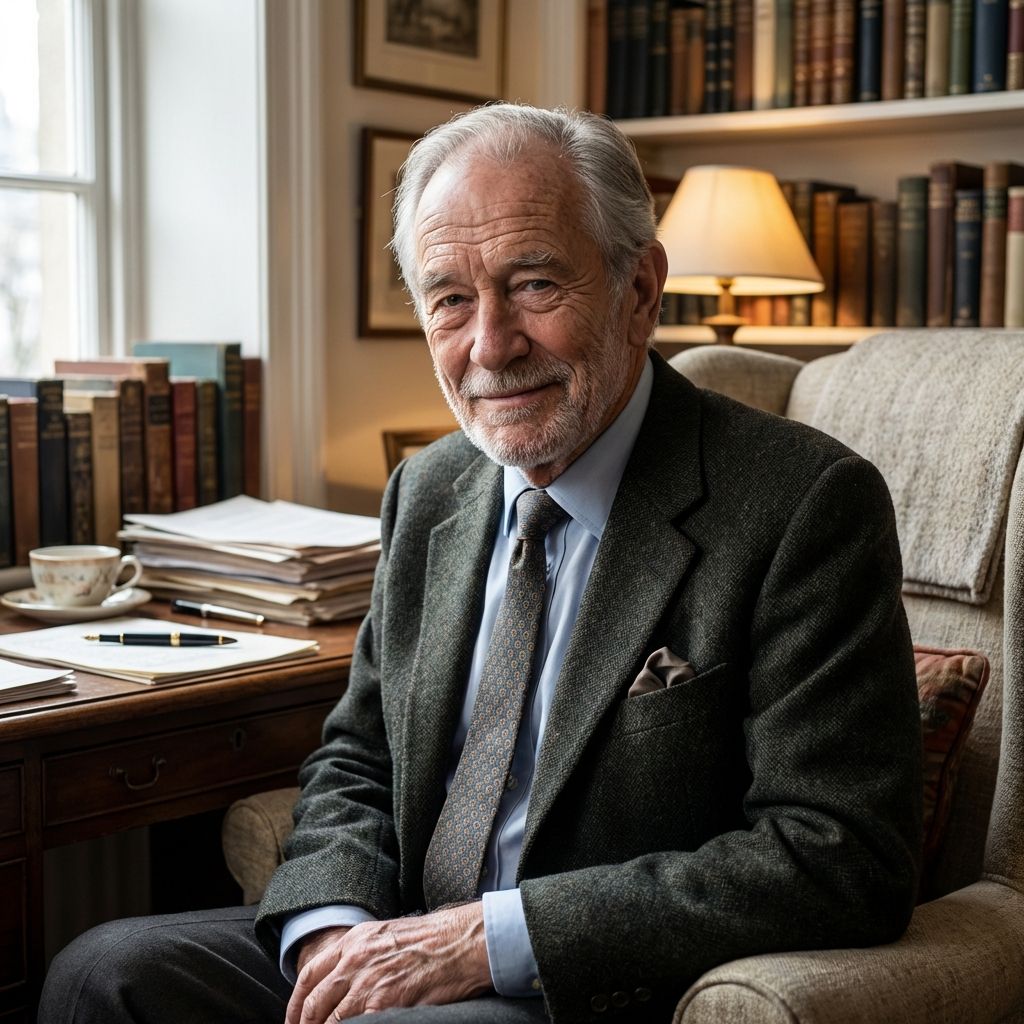
Another difference between death and taxes is that death doesn't get worse every time the legislature meets.
About This Quote
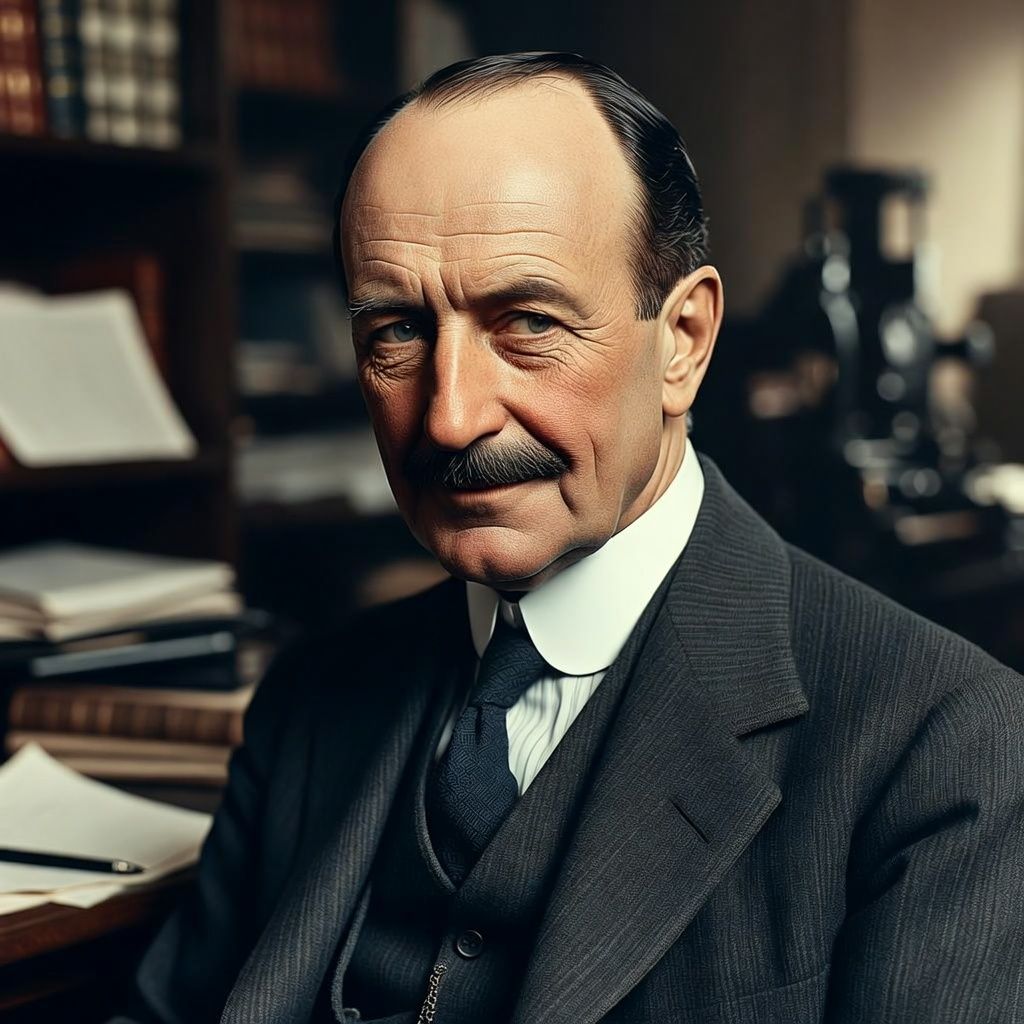
Robert Quillen (1887–1948) was an American journalist and humorist best known for his syndicated column “Quillen’s Quips.” Writing in the early 20th century—an era of expanding government, new revenue measures, and frequent legislative tinkering with tax codes—Quillen often used dry, aphoristic jokes to express popular skepticism about politics and public finance. This line belongs to that tradition: it riffs on the familiar proverb that “nothing is certain but death and taxes,” then adds a pointed, contemporary complaint that taxes tend to increase or become more burdensome whenever lawmakers convene. The humor depends on the audience’s lived experience of recurring tax changes and perceived legislative appetite for revenue.
Interpretation
The quip contrasts two inevitabilities—death and taxes—by suggesting that only one of them is reliably stable. Death is final and unchanging; taxes, by contrast, are portrayed as a moving target that grows heavier through political action. Quillen’s joke implies a cynical view of legislatures: meetings are not neutral deliberations but occasions that predictably worsen the taxpayer’s situation. Beyond humor, the line captures a recurring modern anxiety about government expansion and the complexity of fiscal policy. Its enduring appeal lies in how it turns a well-worn maxim into a sharper critique of governance, implying that political processes can compound burdens rather than solve problems.