The Anxiety of Influence
About This Quote
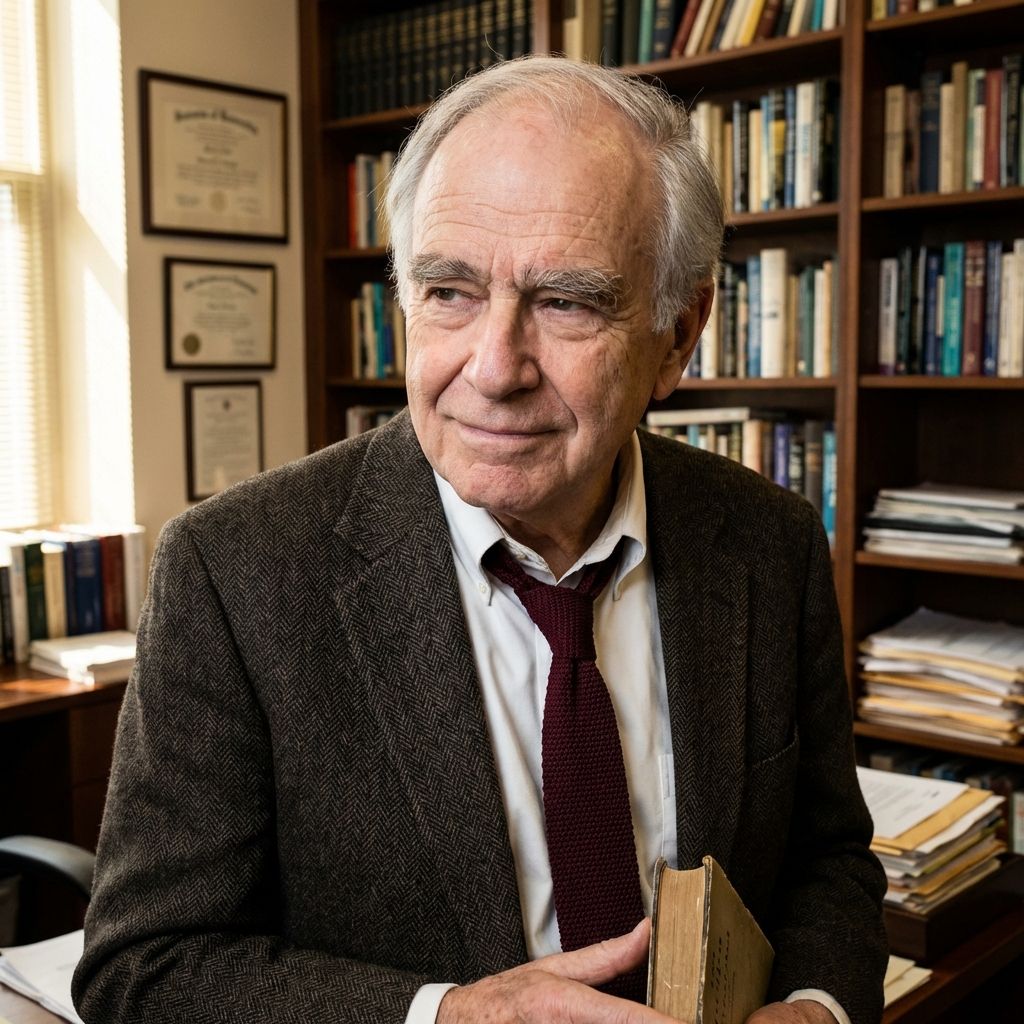
“The Anxiety of Influence” is the title phrase of Harold Bloom’s landmark work of literary criticism, first published in 1973, in which he argues that strong poets are shaped by an agonistic struggle with their precursors. Bloom developed the idea amid mid‑20th‑century debates about originality, tradition, and the status of authorial intention, proposing a psychoanalytic and rhetorical model for how later writers “misread” earlier ones to clear imaginative space for themselves. The phrase has since circulated widely as a shorthand for the pressure of literary inheritance and the fear of belatedness in artistic creation.
Interpretation
Taken as a formulation, “the anxiety of influence” names the unease that arises when a writer feels overshadowed by earlier masters and suspects that originality may be impossible. For Bloom, this anxiety is not merely inhibiting; it is productive, driving the “strong poet” to revise, distort, or creatively misinterpret precursor texts in order to establish a distinctive voice. The phrase thus reframes influence from passive reception into active struggle: tradition becomes a field of contest where new work emerges through strategic departures from what came before. More broadly, it has become a portable concept for creative fields beyond poetry.
Source
Harold Bloom, The Anxiety of Influence: A Theory of Poetry (New York: Oxford University Press, 1973).