The best theology is rather a divine life than a divine knowledge.
About This Quote
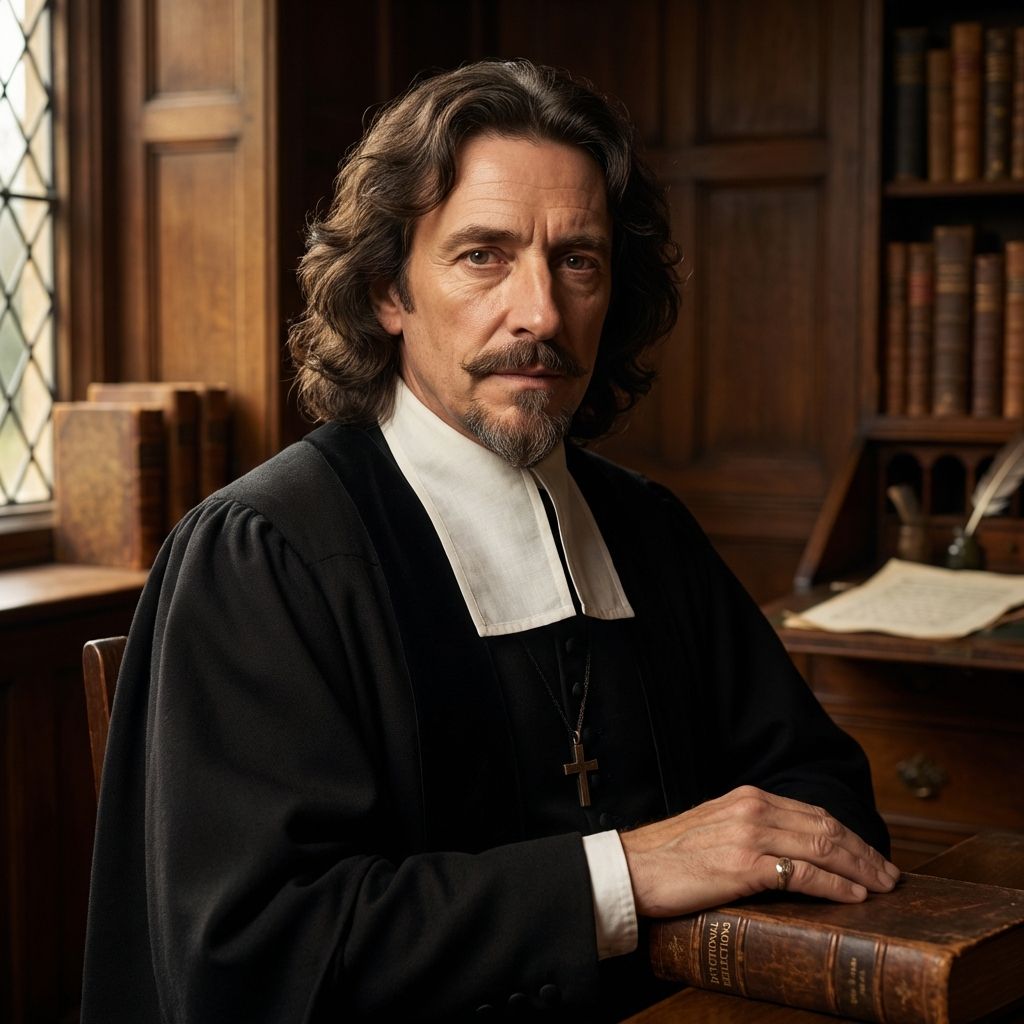
Jeremy Taylor (1613–1667), the Anglican bishop and devotional writer often called the “Shakespeare of Divines,” wrote amid the religious and political upheavals of the English Civil Wars and Interregnum. In his pastoral and ascetical works he repeatedly stresses that Christianity is not chiefly a matter of speculative correctness but of holiness, charity, and disciplined practice. The line reflects a common theme in seventeenth‑century Anglican spirituality: true divinity is proved by a transformed life rather than by learned disputation. Taylor’s preaching and prose frequently aim to turn readers from contentious theological argument toward repentance, prayer, and the cultivation of virtue as the most persuasive “proof” of faith.
Interpretation
Taylor contrasts “divine knowledge” (theological learning, doctrinal subtlety, and intellectual mastery) with “a divine life” (embodied holiness). The claim is not anti-intellectual; rather, it ranks lived piety above mere information. Theology reaches its proper end when it shapes character—humility, charity, self-denial, and obedience—so that the believer’s life becomes a kind of enacted doctrine. The aphorism also critiques religious polemics: one may win arguments yet fail at the central work of faith. In Taylor’s vision, the most reliable sign of true understanding is moral and spiritual transformation, making sanctity the highest “theology.”