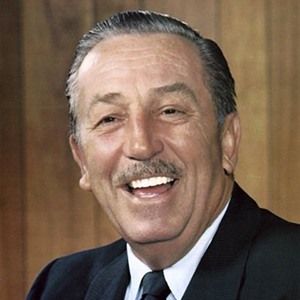
The best way out is always through.
About This Quote

The line is commonly attributed to Robert Frost, but it does not appear in his poems, letters, or recorded remarks in any reliably citable way. It circulates widely in self-help and motivational contexts and is often linked—without documentation—to Frost’s themes of endurance and confronting hardship. Because no dependable primary source (publication, speech, interview, or manuscript) can be identified for Frost, the safest historical context is that this is a modern attribution rather than a verifiable Frost quotation. In quotation scholarship it is frequently flagged as “misattributed” or “unverified.”
Interpretation
Taken as a maxim, “The best way out is always through” argues that genuine relief from difficulty comes not from avoidance, denial, or shortcuts, but from enduring and working through the experience itself. It implies a moral and psychological realism: suffering, conflict, grief, or fear often cannot be bypassed without returning in another form. In Frost’s typical mode, the plain diction carries a hard-earned practicality rather than easy optimism—“through” suggests persistence, patience, and acceptance of process. The line’s enduring appeal lies in its compact counsel that progress is made by confronting what hurts, not by fleeing it.