I still believe in a place called Hope.
About This Quote
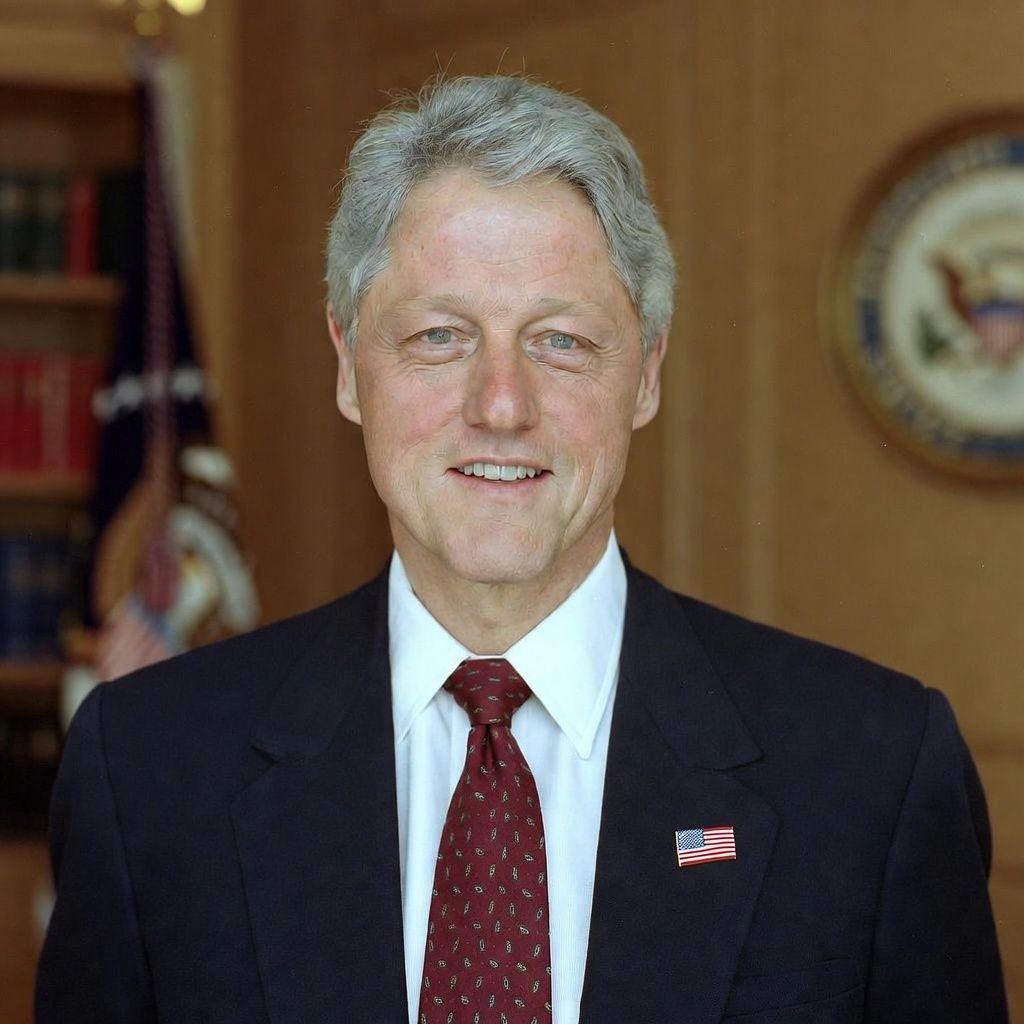
William J. Clinton used this line as a personal and political motif rooted in his upbringing in Hope, Arkansas. He invoked “a place called Hope” in speeches and campaign rhetoric to connect his small-town origins with an optimistic vision of national renewal, especially during the early 1990s when he was presenting himself as a “New Democrat” focused on opportunity and pragmatic problem-solving. The phrasing plays on the double meaning of Hope as both a hometown and an ideal, allowing Clinton to frame his life story as evidence that social mobility and civic progress are possible.
Interpretation
The quote fuses autobiography with aspiration. On the surface, it is a literal reference to Clinton’s hometown, but it functions primarily as a metaphor: “Hope” becomes a civic virtue and a political promise. By saying he “still” believes in it, Clinton implies endurance through setbacks—personal, partisan, or national—while reaffirming faith in collective improvement. The line is designed to be emotionally resonant rather than programmatic, suggesting that politics should be oriented toward restoring confidence, expanding opportunity, and keeping the future open rather than foreclosed by cynicism.