Better to abolish serfdom from above than to wait till it begins to abolish itself from below.
About This Quote
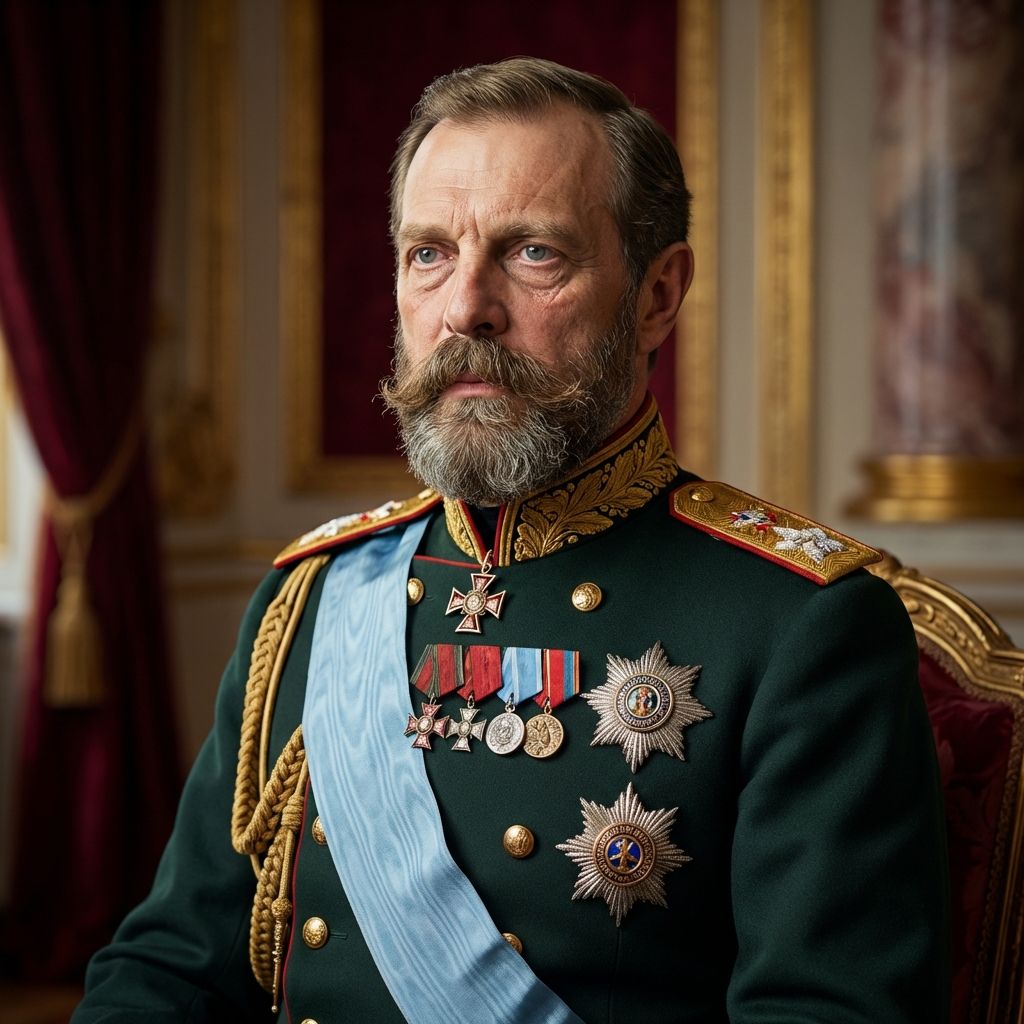
This remark is attributed to Tsar Alexander II in the years leading up to Russia’s Emancipation Reform of 1861, when the government was debating how to end serfdom without provoking widespread unrest. After Russia’s defeat in the Crimean War (1853–56), reformers argued that the empire’s economic and military weakness was tied to the serf-based order. Alexander II signaled to the nobility and officials that emancipation should be initiated by the state (“from above”) rather than forced by peasant revolt (“from below”), framing reform as a preemptive measure to preserve stability and autocratic authority while modernizing the country.
Interpretation
The quote expresses a conservative logic of reform: change is necessary, but it should be controlled by those in power. Alexander II presents emancipation not primarily as a moral imperative but as a political and security calculation—serfdom is unsustainable, and delaying its abolition risks spontaneous, violent upheaval. The contrast between “above” and “below” highlights the fear of mass action and the desire to manage modernization on the state’s terms. In this sense, the line encapsulates the paradox of Alexander II’s reign: significant liberalizing reforms pursued to strengthen, not dismantle, the existing imperial order.