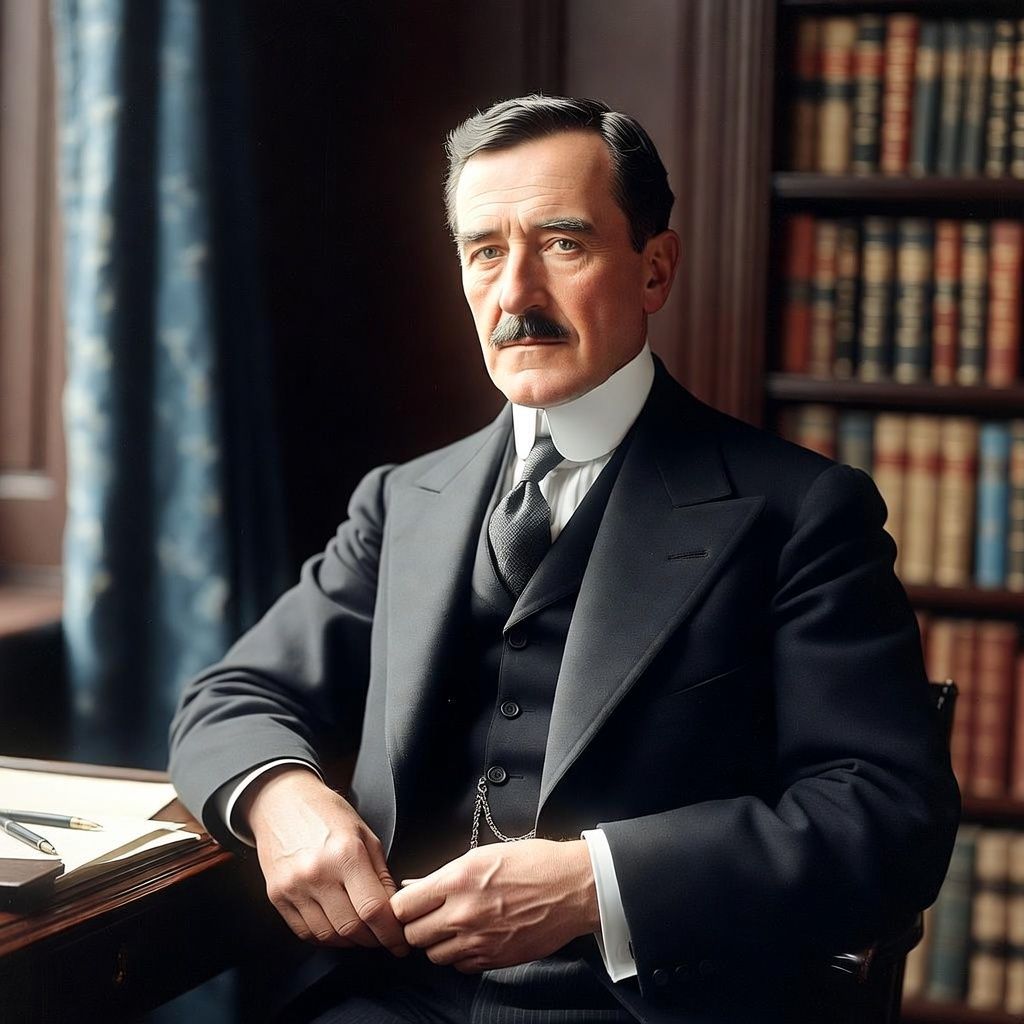
It is better to know nothing than to know what ain’t so.
About This Quote

Josh Billings was the pen name of Henry Wheeler Shaw (1818–1885), a popular American humorist and lecturer known for aphorisms written in deliberate phonetic misspelling and rustic dialect. The line “It is better to know nothing than to know what ain’t so” belongs to his broader comic project of puncturing pretension and “common sense” certainty in the post–Civil War United States, when newspapers, lyceum lectures, and humor collections circulated widely. Billings often framed his jokes as homespun wisdom, using misspelling (“ain’t so”) to signal an anti-elitist voice while delivering a pointed warning about confident error and received opinion.
Interpretation
The aphorism argues that false certainty is more damaging than ignorance. Not knowing leaves one open to learning; believing something untrue closes inquiry and can lead to bad decisions, misplaced confidence, and the spread of error. Billings’ dialect intensifies the point: the speaker sounds “plain,” but the insight is epistemological—misinformation is a heavier burden than a blank slate. The line also satirizes people who prize having an opinion over having evidence, suggesting that intellectual humility is a practical virtue. In modern terms, it anticipates critiques of misinformation: the problem is not lack of information, but commitment to the wrong information.
Variations
It ain't what you don't know that gets you into trouble. It's what you know for sure that just ain't so.